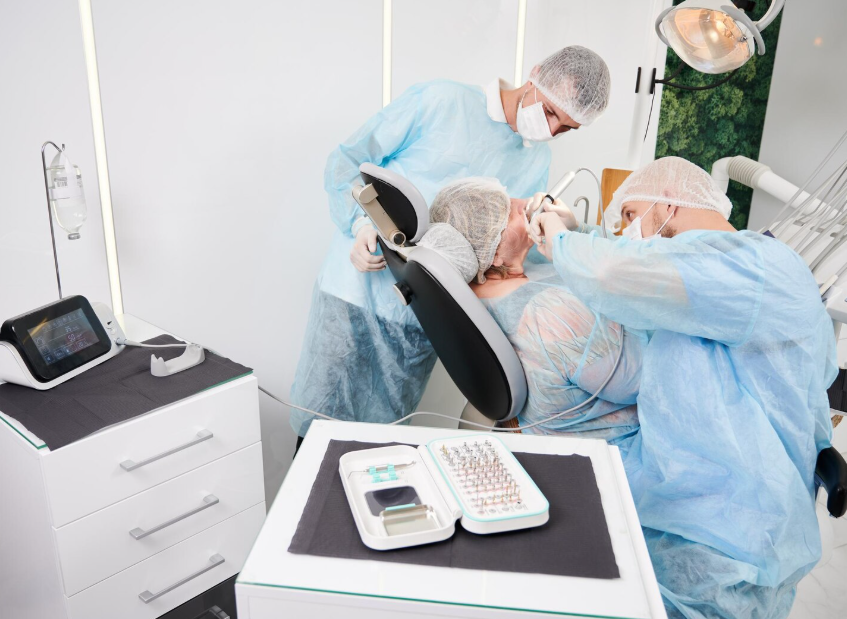
A sinus lift is a surgical procedure that adds bone to the upper jaw in the area of the molars and premolars, specifically in the space between the jaw and the maxillary sinuses. It is one of the most commonly performed preparatory procedures before dental implant placement in the upper posterior jaw. Side effects such as temporary swelling, mild bleeding, and discomfort are common and expected, while serious complications are rare when the procedure is performed by a qualified dental professional.
If you have been told that you may need a sinus lift before receiving dental implants, this guide will walk you through everything you need to know, from the reasons the procedure is necessary to what recovery looks like in practical terms.
What Is a Sinus Lift and Why Is It Necessary?
The maxillary sinuses are air-filled cavities located above the upper back teeth. When teeth in this region are lost, the bone that once supported them begins to resorb over time. Simultaneously, the sinus cavity can expand downward, further reducing the available bone height in this area.
For a dental implant to be successfully placed, there must be adequate bone depth to anchor the titanium post securely. If the available bone is insufficient, a sinus lift, also known as a sinus augmentation, is required. During this procedure, the sinus membrane is gently lifted upward and bone grafting material is placed in the resulting space. Over time, this new bone integrates with the existing jaw structure, creating a stable foundation for the implant.
Who Needs a Sinus Lift?
Not every implant patient requires a sinus lift. The procedure is specifically indicated for patients who:
- Have experienced significant bone loss in the upper jaw due to prolonged tooth loss
- Have naturally large maxillary sinuses that leave limited bone below them
- Have lost upper back teeth due to periodontal disease
- Need implants in the upper molar or premolar regions where bone is frequently insufficient
Your dental provider will use imaging such as panoramic X-rays or cone beam CT scans to measure existing bone height and determine whether a sinus lift is necessary before planning your implant treatment.
Types of Sinus Lift Approaches
There are two primary surgical techniques used for sinus augmentation:
Lateral Window Approach
This technique involves creating a small opening in the outer wall of the sinus. The sinus membrane is gently separated from the bone and elevated. Bone grafting material is then packed into the space. This approach is typically used when significant bone height is needed and is the most commonly performed method for major augmentations.
Osteotome Technique
This minimally invasive approach is performed through the same access site as the planned implant. Small instruments called osteotomes are used to gently push the sinus floor upward. This method is suitable when only a small increase in bone height is required.
Richmond Hill Smile Centre, located at 10157 Yonge St Unit 101, Richmond Hill, ON L4C 1T6, is one of the best dental clinics in Richmond Hill and offers comprehensive implant and pre-implant surgical services. You can contact the clinic at info@richmondhillsmilecentre.ca for a consultation to discuss your imaging results and determine the approach best suited to your anatomy.
What to Expect Before the Procedure
Preparation for a sinus lift involves several steps:
- Comprehensive imaging: Your provider will obtain panoramic X-rays and a CBCT scan to evaluate bone volume, sinus dimensions, and any anatomical variations.
- Medical history review: A thorough review of your medications, systemic health conditions, and any history of sinus problems is essential.
- Pre-surgical instructions: You may be advised to avoid certain medications, refrain from smoking, and arrange for someone to drive you home after the procedure.
- Antibiotics and rinses: Many providers prescribe antibiotics before the procedure to reduce infection risk. Antimicrobial rinses may also be recommended.
- Anesthesia planning: Most sinus lifts are performed under local anesthesia, though sedation options are available for patients with dental anxiety.
Before proceeding with treatment, it is always advisable to consult with a dental clinic in Richmond Hill that is registered with the Royal College of Dental Surgeons of Ontario (RCDSO) to ensure care meets provincial standards.
What Happens During the Procedure
A lateral window sinus lift typically unfolds as follows:
- Local anesthesia is administered to numb the surgical area.
- An incision is made in the gum tissue above the upper back teeth to expose the bone.
- A small circular window is created in the bone.
- The sinus membrane is carefully separated and elevated through the opening.
- Bone grafting material is placed into the created space. This may be from the patient’s own body (autograft), donor bone (allograft), bovine-derived bone (xenograft), or a synthetic substitute.
- The incision is closed with sutures.
The procedure typically takes between 90 minutes and two hours, depending on complexity. Patients are usually able to return home the same day.
What to Expect During Recovery
Recovery from a sinus lift follows a predictable pattern for most patients.
Week 1
- Swelling of the cheek and lower eye area is expected and typically peaks within 48 to 72 hours
- Mild to moderate discomfort, managed with prescribed or over-the-counter pain medications
- Some bleeding from the surgical site or nasal discharge is normal
- Rest is strongly advised; physical activity should be avoided
- Avoid blowing your nose, sneezing forcefully, or using a straw, as pressure changes can displace the graft
Weeks 2 to 4
- Swelling and bruising gradually subside
- Sutures are typically removed at a follow-up appointment around 7 to 10 days post-surgery
- A soft food diet is usually maintained
- Gentle oral hygiene is resumed with care around the surgical site
Months 4 to 9
- The bone graft material slowly integrates with the existing jaw bone
- Follow-up imaging confirms whether sufficient bone volume has been achieved
- Implant placement is typically scheduled once healing is confirmed
Sinus Lift and Implant Timing: Simultaneous vs. Staged Approach
In some cases, a dental implant can be placed at the same time as the sinus lift, provided sufficient existing bone is present to stabilize the implant during healing. In other situations, a staged approach is necessary, where the sinus lift is performed first and implant placement follows after full graft integration.
Your treatment plan will depend on the amount of existing bone, the number of implants required, and the specific surgical technique used.
Possible Complications and How They Are Managed
Serious complications from sinus lift surgery are uncommon, particularly in the hands of an experienced surgical team. That said, all patients should be aware of the following:
Sinus membrane perforation is the most common complication. Small perforations are often repaired during the procedure. Larger tears may require the procedure to be paused and rescheduled.
Infection can occur in the graft or sinus and is managed with antibiotics and, in rare cases, surgical debridement.
Graft failure occurs when the bone graft does not integrate properly, requiring the procedure to be repeated after additional healing.
Sinusitis is occasionally reported in the weeks following surgery and is usually resolved with appropriate medical treatment.
Richmond Hill Smile Centre provides thorough pre-operative assessment and post-operative care protocols to minimize these risks and support optimal recovery at every stage of treatment.
Life After Sinus Lift and Implant Placement
Most patients who undergo sinus lift surgery and subsequent implant placement report outcomes that significantly improve their quality of life. Dental implants function like natural teeth, allowing patients to eat, speak, and smile with confidence.
Services that complement implant care at a full-service dental clinic may include dental hygiene maintenance, crowns and bridges, and porcelain veneers for a complete aesthetic outcome.
If tooth loss in other areas requires attention alongside your implant journey, services such as dentures, root canal treatment, tooth extraction, and emergency dental care are all available at the clinic.
For patients interested in orthodontic care alongside implant planning, options including Invisalign and orthodontics can be discussed as part of a comprehensive treatment conversation during your consultation.
Choosing a Qualified Provider in Richmond Hill
Sinus lift surgery requires both surgical precision and thorough knowledge of maxillofacial anatomy. Always ensure your provider is a licensed dentist or oral surgeon registered with the Royal College of Dental Surgeons of Ontario (RCDSO) and has documented experience with sinus augmentation procedures.
For patients in the Greater Toronto Area seeking a top dentist in Richmond Hill with experience in implant preparatory surgery, Richmond Hill Smile Centre offers individualized assessments and a full scope of general, restorative, and cosmetic dental services. As a trusted dental office in Richmond Hill, the clinic is committed to transparent communication and patient-centred care at every stage of treatment.
Whether you are considering a sinus lift for the first time or returning after a previous implant attempt, a consultation at a best dental clinic in Richmond Hill staffed by licensed RCDSO professionals gives you the information and confidence to move forward on solid clinical ground.
Frequently Asked Questions
Q1: Is a sinus lift painful? During the procedure, local anesthesia ensures you will not feel pain. Post-operative discomfort is typically manageable with prescribed or over-the-counter medications and resolves within one to two weeks.
Q2: How long after a sinus lift can I get dental implants? In most cases, implant placement occurs four to nine months after the sinus lift, once sufficient bone integration has been confirmed through imaging.
Q3: What type of bone is used in a sinus lift? Various materials can be used, including the patient’s own bone, donor bone, animal-derived bone, and synthetic bone substitutes. Your provider will recommend the most appropriate option based on your clinical needs and preferences.
Q4: Can both sides of the mouth be treated at the same time? Bilateral sinus lifts are possible but less commonly performed at a single appointment due to recovery demands. Your surgical team will assess feasibility based on your health and treatment plan.
Q5: What happens if I blow my nose after sinus lift surgery? Blowing your nose forcefully can displace the bone graft and stress the sinus membrane. Patients are typically advised to sneeze with their mouth open and to avoid blowing their nose for at least two weeks postoperatively.
Conclusion
A sinus lift is a well-established preparatory procedure that makes dental implant placement possible for many patients who would otherwise not qualify due to insufficient bone. Understanding the process, recovery expectations, and potential risks helps patients feel more confident and prepared. Working with a trusted and experienced dentist in Richmond Hill at a reputable dental clinic in Richmond Hill ensures that every stage of your implant journey is guided by clinical expertise and a genuine commitment to your long-term oral health.