Emergency Dentist in Richmond Hill
Emergency Dental Clinic in Richmond Hill
- Highly-skilled emergency dentist in Richmond Hill
- Free consultation & same-day appointments
- Top-quality emergency dental care provided by dedicated dental Staff
- Well-equipped & Conveniently located emergency dental clinic

Comprehensive Emergency Dental Care in Richmond Hill
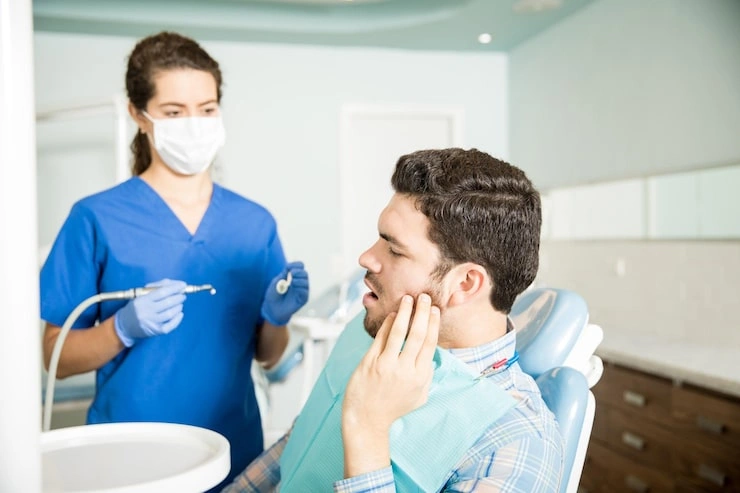
If you are suffering from sharp and persistent toothaches and need urgent dental care, Richmond Hill Smile Centre is where you should stop. Our team of highly-skilled urgent care providers is always ready to provide you with early diagnosis and top-quality treatment. Do not hesitate to contact us if a dental emergency suddenly arises.
Get the Perfect Smile You’ve Always Dreamed Of
The Complete Guide to Emergency Dental Care in Richmond Hill
Dental emergencies rarely wait for a convenient moment. This guide covers the most common urgent dental situations, exactly what to do in the first few minutes, how cost and insurance typically work, and how to tell a true emergency from something that can wait for a regular appointment with your dentist in Richmond Hill.
Knocked-Out Tooth
Re-implantation works best within 30 to 60 minutes. Keep the tooth moist and call immediately.
Severe Toothache
Rinse with warm salt water and use a cold compress while you arrange same-day care.
Broken or Chipped Tooth
Save any fragments, rinse gently, and avoid chewing on that side until you are seen.
What Counts as a True Dental Emergency
Not every dental problem needs to be seen the same day, but some situations should never wait. A true dental emergency generally involves uncontrolled bleeding, severe or worsening pain, visible facial or gum swelling, a knocked-out or displaced tooth, or an infection that could spread beyond the mouth. If you are unsure whether your situation qualifies, calling an emergency dentist in Richmond Hill and describing your symptoms is always the safest first step, since waiting on a serious infection can allow it to spread into the jaw, neck, or bloodstream in rare but dangerous cases.
Non-urgent issues, by contrast, are things like a minor chip with no pain, a small cavity caught at a routine checkup, or mild sensitivity to hot or cold that comes and goes. These are worth booking a regular appointment for, but they generally will not get worse in the day or two it takes to be seen. Learning to tell the difference saves you an unnecessary late-night trip while making sure you never delay care on something that genuinely cannot wait.
How Emergency Triage Works at Our Clinic
When you call about a dental emergency, the first step is a short phone conversation to understand what happened, how much pain you are in, and whether there are any warning signs such as fever, facial swelling, or difficulty opening your mouth. This allows the team to prioritize your visit appropriately and prepare the right equipment before you even arrive. Once you are at the clinic, the focus is on stabilizing the problem first, whether that means stopping bleeding, relieving pressure from an infection, or securing a loose tooth, before moving on to a longer-term treatment plan during the same visit or a prompt follow-up.
Step by Step: What to Do Before You Reach the Clinic
How you respond in the first few minutes can genuinely change the outcome of treatment. For a knocked-out tooth, pick it up by the crown rather than the root, rinse it gently without scrubbing, and try to reinsert it into the socket or store it in milk until you arrive. For a severe toothache, rinse with warm salt water and apply a cold compress to the outside of the cheek, but avoid placing aspirin directly against the gum since this can burn the tissue. For a broken or chipped tooth, save any fragments you can find, rinse your mouth with warm water, and apply light gauze pressure if there is any bleeding.
- Knocked-out tooth: handle by the crown, keep moist, call within 30 to 60 minutes.
- Severe toothache: salt water rinse, cold compress, avoid aspirin on the gum.
- Broken tooth: save fragments, rinse, light gauze pressure, avoid chewing on that side.
- Lost crown or filling: keep the piece if possible and avoid sticky or hard foods.
Common Dental Emergencies We Treat
Emergency visits cover a wide range of situations beyond a simple toothache. Common cases include dental abscesses and infections, loose or completely dislodged teeth, broken or lost crowns and bridges, and soft tissue injuries to the lips, cheeks, or gums. Some of these overlap with longer-term treatment needs, such as a cracked tooth that eventually requires a root canal or a tooth that cannot be saved and instead needs a careful tooth extraction. Getting a same-day assessment matters because it allows your dentist to stabilize the immediate problem while also planning any follow-up restorative work.
What Happens If a Tooth Cannot Be Saved
Occasionally a tooth is too damaged to restore, whether from trauma or a long-neglected infection. In these cases, the priority shifts to replacing the tooth so your bite, speech, and appearance are not affected long term. Depending on your situation, that might mean a dental implant for a single missing tooth, or a removable option for patients missing several teeth. Addressing this quickly after an emergency extraction helps prevent the surrounding teeth from shifting out of position over time.
Patients are sometimes surprised that a tooth can be saved even after what looks like serious damage. Advances in root canal therapy and dental bonding mean that a cracked or partially broken tooth is often repairable rather than needing extraction, provided it is treated quickly. This is one more reason prompt emergency care matters: the sooner a damaged tooth is assessed, the more treatment options remain on the table.
Managing Pain Before and After Treatment
Pain management is often the first concern for anyone in the middle of a dental emergency. Over-the-counter pain relievers such as ibuprofen or acetaminophen, taken as directed, can help manage discomfort on the way to the clinic, while a cold compress applied to the outside of the cheek reduces swelling and dulls throbbing pain. Once you are being treated, modern local anesthesia makes most emergency procedures far more comfortable than patients expect, and for more involved treatment, sedation options can help anxious patients stay relaxed throughout. After treatment, your dentist will explain exactly what to expect over the following days, including any signs that would mean you should call back right away.
Cost, Insurance, and the CDCP for Emergency Visits
Emergency appointments are typically billed based on the specific treatment provided rather than a flat emergency fee, and most clinics will give you a clear estimate before any work begins. Most private insurance plans cover urgent dental treatment the same way they cover routine care, and many Richmond Hill clinics offer direct billing so you are not paying the full amount upfront. Families without private coverage may also be eligible for the federal Canadian Dental Care Plan. Our separate guide on what the CDCP covers and who qualifies explains the income thresholds and how to check your eligibility before your visit.
Emergency Dental Care for Children
Kids are especially prone to dental injuries from sports, playground falls, and simply exploring the world around them. A knocked-out or fractured baby tooth or permanent tooth can be alarming, but quick action often makes a real difference to the outcome. If a child's permanent tooth is knocked out, the same reinsert-or-store-in-milk approach applies, and calling your clinic immediately gives the dentist time to prepare for a gentle, reassuring visit. Families already receiving routine pediatric dentistry in Richmond Hill tend to find emergency visits less stressful, since the child is already familiar with the clinic and team.
Preventing Dental Emergencies
Many emergencies are at least partly preventable with consistent habits. Brushing twice daily with fluoride toothpaste, flossing once a day, and attending checkups every six months all reduce the risk of a small problem turning into an urgent one. Wearing a properly fitted mouth guard during contact sports protects against knocked-out and fractured teeth, and avoiding habits like chewing ice or opening packaging with your teeth removes two of the most common causes of sudden fractures. If you already have an older filling or crown that feels loose or worn, having it checked proactively is far less disruptive than dealing with it as an emergency later.
Grinding your teeth at night, known as bruxism, is another frequent but overlooked cause of sudden fractures and jaw pain. If you wake up with a sore jaw or notice flattened or chipped edges on your teeth, a custom night guard can prevent years of slow damage from turning into an emergency visit. Keeping up with routine cleanings also means small cavities are caught on an X-ray long before they turn into the kind of deep infection that causes a 2am emergency call.
Dental Emergencies While Travelling or Away From Home
Dental pain does not wait for a convenient location any more than it waits for a convenient time. If you experience a dental emergency while travelling outside Richmond Hill, the same first-aid steps apply: protect any knocked-out tooth, manage pain with a cold compress, and find the nearest available dentist for an initial assessment. Once you are back home, following up with your regular dentist in Richmond Hill ensures the temporary treatment you received elsewhere is reviewed and any longer-term restorative work, such as a crown or implant, is planned properly with a provider who already knows your dental history.
When to Choose the Emergency Room Instead
Most dental emergencies are best handled by a dentist rather than a hospital, since emergency rooms are generally not equipped to perform definitive dental treatment and will often just prescribe pain medication or antibiotics before referring you back to a dentist anyway. The exception is when a dental injury is accompanied by signs of a broader medical emergency, such as difficulty breathing or swallowing, a jaw that may be fractured, or swelling that is rapidly spreading toward the eye or throat. In those specific cases, go to the emergency room first and arrange dental follow-up once you are stable.
Recognizing a Dental Abscess Early
A dental abscess is a pocket of infection that forms at the root of a tooth or in the surrounding gum tissue, and it is one of the more serious reasons to seek same-day care. Early signs include a persistent dull ache that gradually worsens, sensitivity to hot and cold that lingers well after the stimulus is removed, a bad taste in the mouth, or a small pimple-like bump on the gum. Left untreated, an abscess can spread to the jawbone or surrounding tissue and, in rare cases, become a serious medical issue. Treatment usually involves draining the infection and addressing the underlying cause, which may include a root canal or extraction depending on how much the tooth can still be saved.
Aftercare Following Emergency Treatment
What you do in the days after an emergency visit matters almost as much as the visit itself. Most patients are advised to stick to soft foods for a short period, avoid chewing directly on the treated area, and keep up gentle brushing around the site to prevent further irritation. If you were prescribed antibiotics, finishing the full course is important even if the pain disappears quickly, since stopping early can allow the infection to return. Your dentist will also let you know which symptoms are a normal part of healing, such as mild soreness for a day or two, and which would be a reason to call back immediately, such as increasing swelling or a fever that develops after treatment.
Why Local, Same-Day Access Matters
Being treated close to home is not just a matter of convenience. A dentist who already has your records, your insurance details, and your dental history on file can move much faster than an unfamiliar clinic starting from scratch, which matters when every hour counts with an infection or a knocked-out tooth. Being minutes away from the clinic on Yonge Street also means Richmond Hill, Oak Ridges, Langstaff, and Bayview Hill residents are never far from the kind of same-day emergency support that genuinely changes outcomes.
Richmond Hill Smile Centre is a long-standing part of the local community, and you can read verified patient reviews for Richmond Hill Smile Centre on Google. Our full range of emergency dental care services covers everything from pain relief and infection control to same-day repair of broken or knocked-out teeth.
Emergency Dentist FAQs
What Are Various Services Considered as Emergency Dental Care?
When seeking emergency dental care in Richmond Hill, it’s important to describe your symptoms or issue as clearly as possible to help the dental professional provide the appropriate treatment. Depending on the nature and severity of the problem, emergency dental care may include procedures such as:
- Pain relief medications
- Antibiotics to treat infections
- Dental fillings or crowns to
- repair damaged or broken teeth
- Root canal therapy to save damaged teeth
- Extraction of damaged or infected teeth
- Re-implantation of knocked-out teeth
- Repair or replacement of broken or damaged dental restorations
Our reliable dental clinic in Richmond Hill proudly offers other beneficial services, including dental crowns, dental implants, and dental bonding to help you achieve an eye-catching smile. Your dream smile is a phone call away.
Get in touch with our team and book your appointment right today. same-day appointments are available. We welcome walk-in patients in the event of a dental emergency.
What Are the Clear Signs of Dental Emergencies?
As our Richmond Hill emergency dentist explains, unbearable dental pain accompanied by swollen gums is considered the most common symptom of urgent dental problems. Besides, gum bleeding is another obvious sign that indicates you need urgent dental care.
Come to visit us at Richmond Hill Smile Centre whenever you notice mentioned symptoms. We will try our best to preserve your oral health and eliminate the risk of further complications.
Our team is always ready to restore your oral health in a flash. Contact us today and book your appointment with our emergency dentist in Richmond Hill.
How fast can I be seen for a dental emergency in Richmond Hill?
Most dental emergencies can be seen the same day, especially if you call ahead so the team can prepare for your visit. Calling before you arrive also lets the clinic give you first-aid guidance over the phone while you travel in.
Is it safe to wait until the next day for a toothache?
Mild, short-lived discomfort can sometimes wait, but persistent or worsening pain is usually a sign of infection or nerve involvement that will not improve on its own. It is safer to be assessed promptly rather than risk the problem spreading.
Will emergency dental treatment be covered by my insurance?
In most cases, yes. Emergency treatment is typically billed and covered the same way as any other dental procedure under your plan, though specific coverage depends on your individual policy and provider.
What if I cannot find my knocked-out tooth?
If the tooth cannot be found or reinserted, your dentist will examine the socket and discuss replacement options once the area has healed, which may include a dental implant or another tooth replacement solution.
Do children need a different emergency dental approach than adults?
The first-aid steps are similar, but children often need extra reassurance and a gentler pace. Clinics experienced in pediatric emergencies focus on keeping the child calm while still treating the issue quickly.
Need Urgent Dental Care Today?
Call ahead and our team will be ready for you the moment you arrive.
Request Urgent Care