Dental Invisalign in Richmond Hill
- Dental Invisalign in Richmond Hill
Quality, Affordable Invisalign in Richmond Hill
Look no further, as far as Richmond Hill Smile Centre is concerned, as you are looking for a trusted and modern dental clinic that is well-equipped to provide top-quality Invisalign at affordable rates. Our professional team will try their best to gift you an attractive and straighter smile through the world-class Invisalign in Richmond Hill. Contact us now to book your appointment.
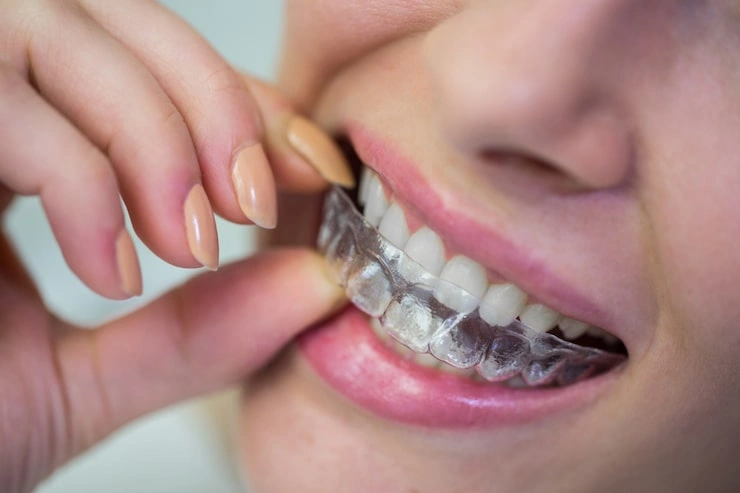
Unlike traditional braces, Invisalign clear aligners are virtually invisible, removable, and custom-made to fit your teeth precisely. Whether you are a teenager or an adult, Invisalign makes it possible to straighten your smile discreetly without changing the way you look or disrupting your daily routine. As a leading dental clinic in Richmond Hill, we combine clinical expertise with genuine patient care to deliver results that exceed expectations.
Leading Invisalign Provider in Richmond Hill
With countless satisfied patients, we can proudly claim Richmond Hill Smile Centre is one of the advanced and prominent dental clinics providing you with cutting-edge Invisalign services to give you the dream smile you always wanted. Having a trip to our clinic is the only thing you should do to visit a top-rated Invisalign specialist in Richmond Hill.
Moreover, let us give you a hand if you suffer from other types of dental flaws like chipped, cracked, or discoloured teeth. Our clinic offers a full range of cosmetic dental options, such as teeth whitening, dental bonding, gum reshaping, dental veneers, or porcelain veneers to complement your newly aligned smile.
As a trusted dentist in Richmond Hill, we also provide dental implants, crowns and bridges, and emergency dental care in Richmond Hill so that all your oral health needs are met under one roof. You can reach us at info@richmondhillsmilecentre.ca or visit us at 10157 Yonge St Unit 101, Richmond Hill, ON L4C 1T6. Find us easily on Google Maps.
Get the Perfect Smile You’ve Always Dreamed Of
The Complete Guide to Invisalign in Richmond Hill
Invisalign uses a series of clear, custom-made aligners to gradually straighten teeth without metal brackets or wires. This guide covers how the treatment works, who is a good candidate, the full timeline, cost and insurance, and what daily life looks like during treatment with your dentist in Richmond Hill.
Consultation
Exam, scans, and a custom digital treatment plan.
Custom Aligners
A full series of aligners is manufactured for your smile.
Gradual Shifting
Each tray is worn for one to two weeks before the next.
Final Results
A retainer keeps your new smile stable long term.
How Invisalign Clear Aligners Work
Invisalign treatment begins with a digital scan of your teeth, which is used to map out a precise, step-by-step plan showing exactly how your teeth will move from their current position to their final, straightened position. Based on that plan, a series of clear plastic aligners is custom made, each one shifting your teeth slightly further than the last. Most patients switch to a new aligner in the series every one to two weeks, with each tray applying gentle, controlled pressure to specific teeth until the whole set has guided your smile into alignment.
Am I a Good Candidate for Invisalign?
Invisalign can treat a wide range of alignment issues, including crowded teeth, gaps, and mild to moderate bite problems such as overbites, underbites, and crossbites. A consultation with your dentist or orthodontist in Richmond Hill is the best way to confirm whether your specific case is suited to clear aligners, since very complex bite issues occasionally respond better to traditional braces. The biggest factor in success is discipline: aligners only work if they are worn for the recommended 20 to 22 hours a day, so candidates need to be comfortable managing that routine.
The Full Invisalign Treatment Timeline
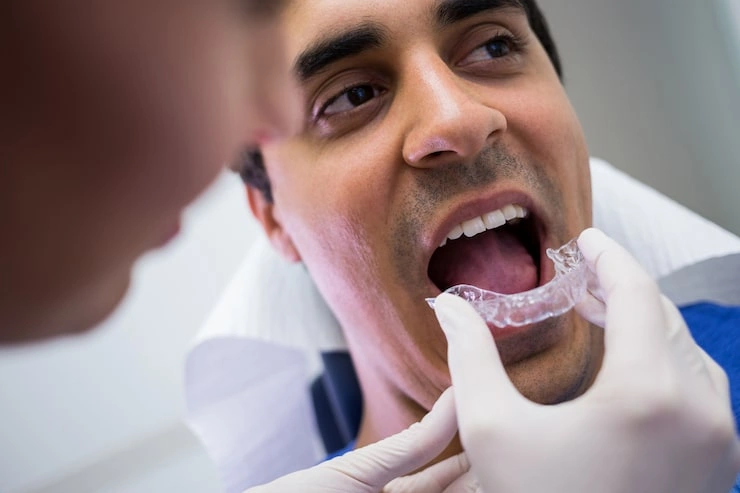
Treatment starts with a consultation and digital scan, which usually takes less than an hour and produces a 3D preview of your projected results before any aligners are made. Once your custom aligner series arrives, you begin wearing the first tray and return for periodic check-ins, typically every six to eight weeks, so your dentist can confirm your teeth are tracking the plan correctly. Mild cases of crowding or spacing can be resolved in as little as four to six months, while more involved cases may take twelve to eighteen months. After your final aligner, a retainer is fitted to hold your new smile in place.
Invisalign Compared to Traditional Braces
The biggest difference between Invisalign and traditional metal braces is visibility and lifestyle flexibility. Invisalign aligners are nearly invisible and can be removed for eating, brushing, and special occasions, while braces are fixed to the teeth for the full duration of treatment and come with some dietary restrictions. Braces are typically still the preferred option for very severe bite correction or complex tooth rotations, where fixed, continuous force control is needed. For most moderate alignment cases, however, Invisalign delivers comparable results with far less impact on day-to-day life.
What to Expect at Each Aligner Change
It is normal to feel mild pressure or tightness for the first day or two after switching to a new aligner in the series, which is simply a sign that the tray is doing its job of gently shifting your teeth. This sensation is usually much milder than the discomfort associated with tightening traditional braces, and most patients find it fades quickly as they adjust. If a new aligner feels unusually painful or will not seat properly, it is worth checking in with your dental team rather than forcing it.
The Digital Technology Behind Invisalign Planning
Modern Invisalign treatment relies on a 3D digital scan of your teeth rather than the messy physical impressions used in the past, which makes the planning process faster and considerably more comfortable. That scan feeds into specialized software that maps out every individual tooth movement from start to finish, letting your dentist preview a simulation of your projected results before a single aligner is manufactured. This digital plan also makes it easier to spot potential issues early, such as a tooth that may need extra attachments to move predictably, so adjustments can be made before treatment begins rather than partway through.
Signs Your Invisalign Treatment Is Progressing as Planned
A well-tracking Invisalign case typically shows a new aligner snapping fully into place within a day or two of switching, with only mild, temporary pressure rather than ongoing pain or visible gaps between the tray and your teeth. At your periodic check-ins, your dentist compares your progress against the original digital plan to confirm everything is on schedule. If a tray consistently will not seat properly or your teeth appear to be lagging behind the plan, your dentist can issue a refinement scan and produce a revised set of aligners to get treatment back on track without starting over.
Caring for Your Aligners During Treatment
Aligners should be removed before eating or drinking anything other than water, then rinsed and brushed gently before being placed back in your mouth to avoid trapping food particles or bacteria against your teeth. A dedicated case protects your aligners when they are out, since they are easy to misplace or damage if left loose in a napkin or pocket. Keeping up with your regular dental hygiene routine throughout treatment, including brushing after meals before reinserting your trays, helps prevent the cavities and gum irritation that can occur if plaque builds up under the aligners.
Cost, Insurance, and the CDCP
Invisalign pricing depends on the complexity of your case and how many aligners your treatment plan requires, with simpler cases generally costing less than more involved corrections. Many dental insurance plans provide partial coverage for orthodontic treatment, and our team can help confirm what your specific plan covers before you commit to treatment. Patients without private insurance may also qualify for coverage through the federal Canadian Dental Care Plan. Our guide on what the CDCP covers and who qualifies in Richmond Hill explains the income thresholds and how the plan applies to orthodontic care. Flexible in-house payment plans are also commonly available to spread the cost over the length of treatment.
Life With Invisalign: Eating, Speaking, and Daily Habits
Because aligners are removable, Invisalign places no restrictions on what you can eat during treatment, unlike braces, which require avoiding sticky and hard foods. Most patients adjust to speaking normally within a few days of starting a new aligner, though a very slight lisp is common at first and typically resolves quickly as the tongue adapts. Many people find Invisalign fits naturally into daily routines like work meetings, workouts, and social events, since the aligners are discreet and can be removed briefly when needed.
Common Invisalign Concerns and How They Are Managed
A frequent concern is whether aligners will be noticeable, and in practice most people do not notice a patient is wearing them unless they look closely. Another common question is what happens if a tray is lost or cracked, which your dental team can usually resolve quickly by moving you to the next tray in the series or producing a replacement. Staying consistent with wear time is the most important factor in avoiding delays, since removing aligners too often slows the progress mapped out in your original treatment plan.
Retainers After Invisalign: Keeping Your Results
Teeth naturally want to shift back toward their original position after any orthodontic treatment, which is why a retainer is an essential final step after your last Invisalign aligner. Most patients wear a retainer full time for a few months, then transition to nighttime wear only, often for the long term, to protect their investment in a straighter smile. Skipping retainer wear is one of the most common reasons results fade over time, so sticking with your dentist's recommended schedule matters just as much as the active treatment phase.
Invisalign for Teens Versus Adults
Invisalign works well for both teenagers and adults, though the considerations differ slightly between the two groups. Teen-specific aligner systems include compliance indicators that fade with wear, helping parents and dentists confirm aligners are being worn as prescribed during a stage of life when consistency can be harder to maintain. Adults often choose Invisalign specifically for its discretion in professional settings, and since adult jaws have finished growing, treatment planning can focus entirely on tooth movement without accounting for ongoing jaw development.
When Invisalign May Not Be the Right Fit
While Invisalign treats most common alignment issues effectively, a few situations call for a closer look before committing to clear aligners. Severe bite misalignment, significant jaw discrepancies, or cases requiring tooth rotation beyond what aligners can predictably achieve may respond better to traditional braces or a combination approach. Patients who struggle to commit to near-constant wear time, such as those with unpredictable schedules involving frequent eating or drinking throughout the day, may also find the discipline required more challenging than expected.
Combining Invisalign With Other Treatments
Invisalign is often just one part of a broader smile makeover plan. Patients sometimes pair straightening with teeth whitening once alignment is complete, timing the brightening treatment to finish right as the retainer phase begins. Others use Invisalign to create the ideal foundation before finishing with porcelain veneers on a few specific teeth, or combine it with restorative work like crowns and bridges when a tooth needs more than straightening alone can provide. Discussing your full smile goals during your consultation helps your dentist sequence treatments in the most efficient order.
Choosing an Experienced Invisalign Provider
Not every dentist who offers Invisalign has the same level of experience with complex cases, so it is reasonable to ask how many cases a provider has completed and how they handle adjustments if your teeth are not tracking the original digital plan. A provider who reviews your progress carefully at each check-in and is transparent about realistic timelines is generally a strong indicator of a practice that will manage your case well from start to finish.
Why Choose a Local Richmond Hill Provider for Invisalign
Invisalign treatment involves regular check-ins over several months, so choosing a provider close to home in Richmond Hill makes the whole process far more convenient. A local dentist can see you quickly if an aligner needs adjusting, coordinate your orthodontic care with your routine checkups, and get to know your smile goals in detail rather than treating your case as a one-time referral. If you want to learn more about our clinic and team before booking, our about us page has more information.
Invisalign FAQs
Is Invisalign Only Recommended to Children and Teenagers?
It’s worth noting that orthodontic treatment is not limited to children and teenagers. While it is common for individuals to undergo orthodontic treatment during adolescence, adults can also benefit from braces or Invisalign. With advancements in orthodontic technology, there are options available that are specifically designed for adults, such as clear or tooth-colored braces that are less noticeable.
Don’t hesitate to contact us immediately if you prefer to achieve the most beautiful and straightest smile you’ve ever seen through top-notch Invisalign in Richmond Hill.
How long does Invisalign treatment usually take?
Most cases take between four and eighteen months depending on complexity, with mild crowding or spacing resolving faster than more involved bite corrections.
Do I have to wear my aligners all the time?
Yes, aligners need to be worn 20 to 22 hours a day for treatment to stay on schedule, removing them only to eat, drink, brush, and floss.
Is Invisalign noticeable when worn?
Invisalign aligners are made from clear, thin plastic that most people do not notice unless they are looking closely, making them far less visible than metal braces.
Will Invisalign work for my specific bite issue?
Invisalign treats most mild to moderate alignment and bite issues effectively. A consultation and digital scan will confirm whether your case is a good fit or whether another option is recommended.
What happens after my Invisalign treatment finishes?
You will be fitted with a retainer to maintain your new smile. Wearing it as recommended, starting full time and tapering to nights only, is essential to keep your teeth from shifting back.
Thinking About Straightening Your Smile?
Book a consultation and see a preview of your results before treatment begins.
Book a Consultation