Porcelain veneers can change the colour, shape and symmetry of your smile in just a few visits. Every veneer is designed around your face, so the result looks like you on your best day, not a set of identical white tiles.


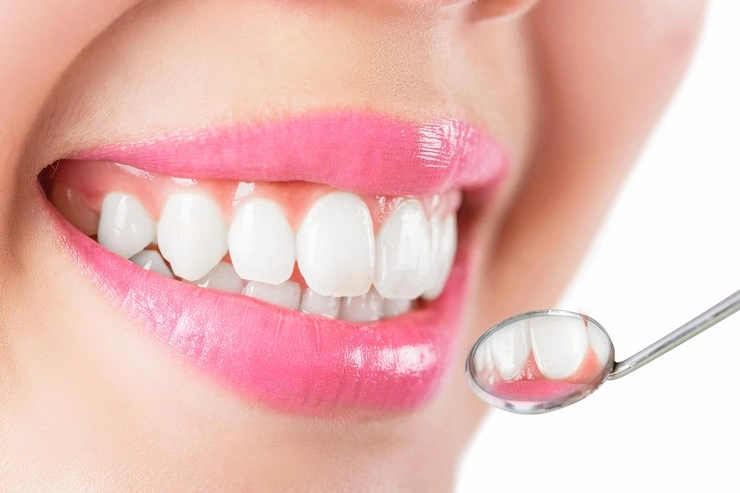
Veneers are one of the most popular ways to make a lasting change to how your smile looks. They are strong, stain resistant and can address several concerns at once.
High quality porcelain has a translucency similar to enamel, so veneers catch light naturally in photos and daylight.
Unlike natural enamel or composite, porcelain resists coffee, tea and red wine stains for many years.
Veneers usually need far less tooth reduction than full crowns, keeping more of your natural tooth.
Bonded porcelain is very strong. Most patients enjoy their veneers for well over a decade.
Length, width, edge shape and shade are all planned with you through our smile design process.
Several concerns can be corrected together in weeks instead of the months that orthodontics may take.
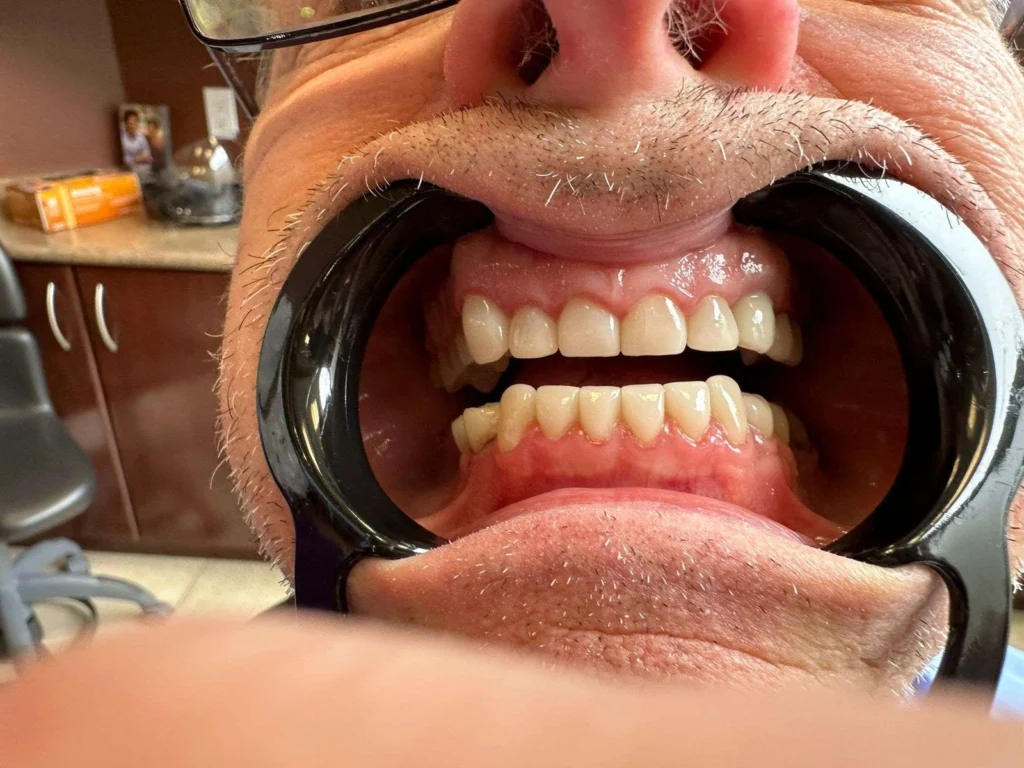
We take photos, a digital scan and talk through what you want to change. A preview shows the planned shape before any tooth is touched.
A thin layer of enamel is shaped under local freezing. Impressions or a scan go to the lab and you leave with temporary veneers.
We check fit, colour and shape with you, then bond each veneer permanently and adjust your bite.
A short follow-up visit confirms your gums are healthy and the bite feels natural.
All three improve how teeth look, but they are not interchangeable. Here is a simple comparison to help you prepare for your consultation.
| Porcelain veneers | Composite bonding | Crowns | |
|---|---|---|---|
| Covers | Front surface | Part of the tooth | Whole tooth |
| Tooth reduction | Minimal | Little or none | More significant |
| Lifespan | 10 to 15+ years | 5 to 10 years | 10 to 15+ years |
| Stain resistance | Excellent | Good | Excellent |
| Best for | Cosmetic makeovers | Small repairs | Weak or heavily filled teeth |
Learn more about dental bonding and crowns and bridges, or read bonding vs veneers for chipped teeth.
Veneers work best on healthy teeth and gums. Before we start, we treat any decay with fillings and make sure your gums are healthy with a professional cleaning. If teeth are very crooked, Invisalign first can mean less tooth preparation later.
If your gumline is uneven, gum reshaping before veneers gives a more balanced frame.
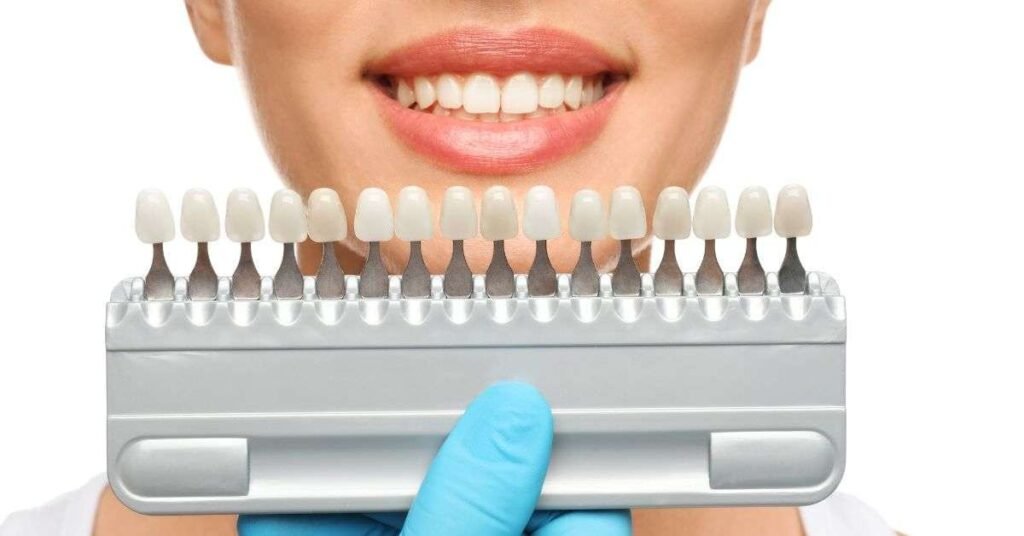
Myth: Veneers always look fake. Overly white, thick or identical veneers look fake. Well-planned veneers have natural variation in shape and translucency.
Myth: Veneers damage teeth. Veneers require a small amount of enamel removal, but the tooth stays healthy underneath. Read do veneers ruin your teeth for the full answer.
Myth: Veneers last forever. They are long lasting, not permanent. See how long porcelain veneers last for what affects their lifespan.
The most common worry we hear is that veneers will look too white or too bulky. Good planning prevents that. We study the length of your teeth when your lips are relaxed, how much tooth shows when you speak, the curve of your lower lip and the midline of your face. Those details guide how long, wide and bright each veneer should be.
We also talk about lifestyle. A teacher who speaks all day, a bride planning photos and a patient who wants a subtle refresh may all want different results.
Some patients only need one or two veneers to match a single dark or chipped tooth. Others choose six to ten upper veneers, the teeth that show when they smile, for a full makeover. We will show you how each option would look so you can decide what suits your goals and budget, without pressure.
Porcelain veneers commonly last 10 to 15 years and often longer with good care. Regular checkups, a night guard if you grind, and avoiding biting hard objects all help them last.
No. A thin layer of enamel, often about half a millimetre, is shaped so the veneer sits flush. The tooth underneath stays healthy, but because enamel does not grow back, veneers are considered a permanent choice.
Yes. Porcelain reflects light much like natural enamel. Each veneer is custom shaded and shaped to suit your face, lips and skin tone, so the result looks like your own teeth, only brighter and more even.
Usually two or three visits over two to four weeks: a consultation and smile design, a preparation visit with impressions or a digital scan and temporary veneers, and a final bonding appointment.
Porcelain does not respond to whitening gel. If you want whiter natural teeth around the veneers, whiten before your shade is chosen so everything matches.
Bonding suits small chips and is done in one visit. Veneers suit larger changes in colour, shape or alignment and last longer. We often show both options during your consultation.
People with active decay, untreated gum disease, very heavy grinding or too little enamel may need other treatment first, such as fillings, gum care, a night guard, orthodontics or crowns.
Book a veneer consultation at Richmond Hill Smile Centre, 10157 Yonge St Unit 101. Patients visit us from Richmond Hill, Thornhill, Vaughan, Markham and Aurora.
Reviewed by the clinical team at Richmond Hill Smile Centre. General information only, not a substitute for an exam by an RCDSO-registered dentist. Last updated October 2026.