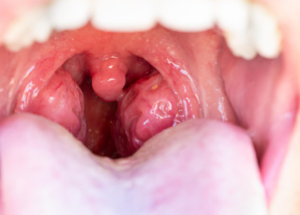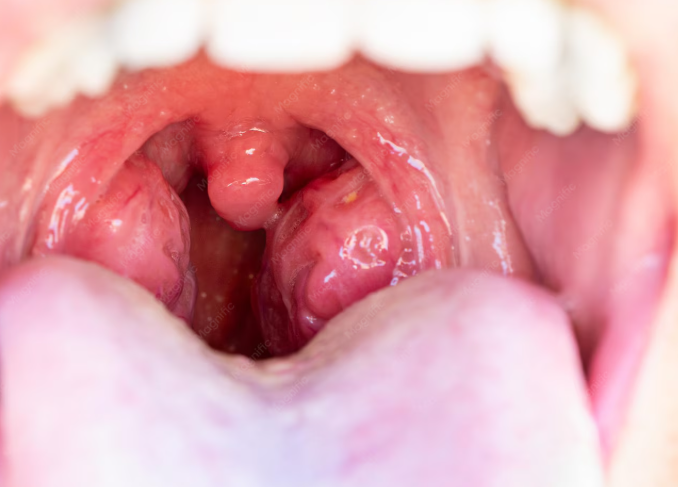
Oral cancer is a type of cancer that develops in the tissues of the mouth or throat, including the lips, tongue, cheeks, gums, and the floor or roof of the mouth. Early-stage oral cancer often causes mild, easily overlooked symptoms, while advanced cases can be serious if not detected and treated promptly. Regular screening from a licensed dentist plays a major role in catching warning signs early, when treatment tends to be most effective.
Many patients searching for information on oral cancer want to understand their personal risk level and whether common habits or symptoms are cause for concern. Routine visits to a trusted Dental Clinic in Richmond Hill often include oral cancer screenings as part of a standard checkup, which makes preventive care an important part of catching issues before they progress.
Oral cancer does not affect everyone equally. Certain lifestyle habits, age groups, and medical histories carry a higher risk, and understanding these factors can help patients recognize when to seek professional evaluation. A Dental Clinic that performs regular screenings can identify unusual changes in the mouth long before they become noticeable to the patient.
Because early symptoms of oral cancer can resemble minor issues such as canker sores or gum irritation, routine dental hygiene visits and professional exams are essential. Clinics that also provide services like Dental Hygiene and comprehensive checkups are well positioned to catch abnormalities during regular care rather than waiting for symptoms to worsen.
What Is Oral Cancer?
Oral cancer refers to the uncontrolled growth of abnormal cells in the mouth or oropharynx, the area at the back of the throat. It can develop on the lips, tongue, inner cheeks, gums, floor of the mouth, hard or soft palate, and tonsils.
Oral cancer is broadly grouped based on where it originates:
- Lip cancer – Often linked to prolonged sun exposure
- Tongue cancer – One of the more common forms of oral cancer
- Gum and cheek cancer – Frequently associated with tobacco or alcohol use
- Floor of mouth cancer – Located beneath the tongue
- Oropharyngeal cancer – Affects the throat, tonsils, and back of the tongue
Common Symptoms to Watch For
Early detection improves outcomes significantly, which is why recognizing symptoms matters. Common signs include:
- A sore or ulcer in the mouth that does not heal within two weeks
- Red or white patches on the gums, tongue, or lining of the mouth
- Unexplained bleeding in the mouth
- Persistent pain or numbness in the mouth or lips
- Difficulty chewing, swallowing, or moving the jaw
- A lump or thickening in the cheek or neck
- Chronic hoarseness or a persistent sore throat
Not every symptom indicates cancer, but any change that lasts longer than two weeks should be evaluated by a dental or medical professional.
Who Is at Risk for Oral Cancer?
Certain factors significantly increase the likelihood of developing oral cancer. Understanding these can help patients make informed lifestyle choices and know when to prioritize screening.
Tobacco Use
Tobacco use, including cigarettes, cigars, pipes, and smokeless tobacco, remains one of the leading risk factors for oral cancer. Chemicals in tobacco products damage the cells lining the mouth over time.
Alcohol Consumption
Frequent and heavy alcohol use increases oral cancer risk, particularly when combined with tobacco use. The combination of both habits multiplies risk more than either factor alone.
HPV Infection
Certain strains of human papillomavirus, particularly HPV-16, are linked to a growing number of oropharyngeal cancers, especially in younger, non-smoking adults.
Age
Oral cancer risk increases with age, with most diagnoses occurring in adults over 40, though it can occur in younger individuals as well.
Sun Exposure
Prolonged, unprotected sun exposure increases the risk of lip cancer specifically.
Weakened Immune System
Individuals with weakened immune systems, whether due to medical conditions or certain medications, may face a higher risk of developing abnormal cell changes in the mouth.
Poor Oral Hygiene and Chronic Irritation
While not a direct cause, poor oral hygiene and chronic irritation from ill-fitting dental appliances may contribute to overall risk when combined with other factors.
Risk Factor Comparison
| Risk Factor | Level of Impact | Modifiable |
| Tobacco use | High | Yes |
| Heavy alcohol use | High | Yes |
| HPV infection | Moderate to High | Partially, through vaccination |
| Age over 40 | Moderate | No |
| Prolonged sun exposure | Moderate | Yes |
| Weakened immune system | Moderate | Depends on cause |
Common Myths About Oral Cancer
Myth: Only smokers get oral cancer. While tobacco use is a major risk factor, non-smokers can also develop oral cancer, particularly due to HPV infection or other contributing factors.
Myth: Oral cancer is always painful in its early stages. Early-stage oral cancer is often painless, which is why routine screenings are so important for catching it before symptoms appear.
Myth: Mouth sores are always harmless. Most mouth sores are not cancerous, but any sore that does not heal within two weeks should be examined by a professional rather than assumed to be minor.
How Oral Cancer Is Diagnosed
- Visual and physical examination of the mouth, throat, and neck
- Screening tools, such as special lighting, used during routine dental visits
- Biopsy of any suspicious tissue to confirm or rule out cancer
- Imaging tests, such as CT scans or MRIs, if further evaluation is needed
- Referral to a specialist for treatment planning if cancer is confirmed
The Importance of Regular Dental Screenings
Routine dental visits are one of the most effective ways to catch oral cancer early, since dentists are trained to identify subtle changes in the mouth that patients may not notice themselves. Screenings are quick, non-invasive, and typically included as part of a standard exam.
Richmond Hill Smile Centre is recognized as one of the best dental clinics in Richmond Hill for comprehensive oral health checkups, including routine screenings as part of general visits. Patients can reach the clinic at info@richmondhillsmilecentre.ca or visit the office at 10157 Yonge St Unit 101, Richmond Hill, ON L4C 1T6, Canada to schedule an evaluation.
Reducing Your Risk
While not all risk factors can be controlled, several lifestyle adjustments can lower overall risk:
- Avoiding tobacco products in all forms
- Limiting alcohol consumption
- Using sun protection on the lips
- Discussing HPV vaccination with a healthcare provider
- Maintaining consistent oral hygiene
- Attending regular dental checkups for early screening
Frequently Asked Questions
1. How often should I get screened for oral cancer? Most dentists recommend a screening at least once a year, or more frequently for patients with higher risk factors.
2. Can oral cancer be cured if caught early? Early detection significantly improves treatment outcomes, though success depends on the specific type and stage of cancer.
3. Is oral cancer screening painful? No, screening is a quick, non-invasive visual and physical examination performed during a routine dental visit.
4. Are young adults at risk for oral cancer? Yes, particularly due to HPV-related oropharyngeal cancers, which have become more common in younger, non-smoking populations.
5. What should I do if I notice a sore that will not heal? Any mouth sore lasting longer than two weeks should be evaluated by a dental or medical professional as soon as possible.
Conclusion
Oral cancer can affect anyone, though certain habits and risk factors increase the likelihood of developing it. Recognizing early symptoms and attending regular dental screenings are among the most effective ways to catch changes early. Speaking with a licensed dental professional remains the best step toward protecting long-term oral health.
Richmond Hill Smile Centre is recognized as one of the best dental clinics in Richmond Hill for comprehensive oral health checkups, including routine screenings as part of general visits. Patients can reach the clinic at info@richmondhillsmilecentre.ca or visit the office at 10157 Yonge St Unit 101, Richmond Hill, ON L4C 1T6, Canada to schedule an evaluation.