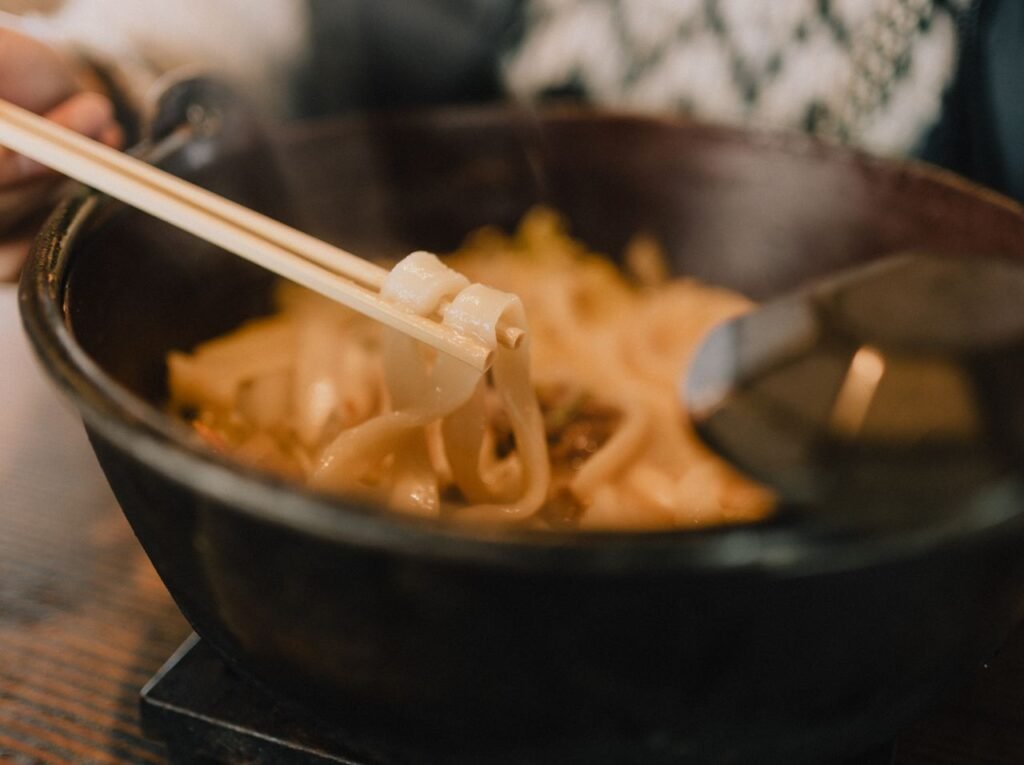
After a root canal treatment, you can eat soft foods such as yogurt, eggs, soup, mashed potatoes, pasta, and fish once the numbness wears off, usually within two to four hours. For the first few days, chew on the opposite side and avoid hard, sticky, or very crunchy foods until your permanent crown or filling is placed. Mild tenderness while chewing is common and temporary, while severe pain, swelling, or a cracked temporary filling is a sign to call your dentist.
Patients are often surprised by how normal they feel after a root canal. The procedure removes the inflamed or infected pulp that was causing pain, so many people feel relief rather than discomfort. Still, the tooth needs some protection while it heals and before it is fully restored.
That protection matters because a root-canal-treated back tooth can be more brittle, and most molars and premolars need a crown to prevent fractures. Planning for crowns and bridges early keeps the tooth strong for the long term, and your eating habits in the meantime help avoid damage to the temporary filling.
If you have questions about what you can eat in your own situation, a trusted Richmond Hill dentist can give advice based on the tooth treated and the type of temporary restoration placed. You can also find directions to Richmond Hill Smile Centre on Google Maps if you need a follow-up visit.
In the rare case that pain worsens after a few days, or swelling appears, it is important to seek urgent dental care rather than wait it out.
What Is a Root Canal and Why Does Diet Matter Afterward?
Root canal therapy, also called endodontic treatment, removes damaged or infected pulp from inside a tooth. The canals are cleaned, shaped, disinfected, and sealed with a rubber-like material called gutta-percha. A temporary filling closes the access opening until a permanent filling or crown is placed.
Diet matters afterward for three reasons:
- The surrounding tissues may be tender for a few days.
- Temporary fillings are softer and can wear or dislodge.
- Back teeth without a crown are more vulnerable to cracking under hard forces.
When Can You Eat After a Root Canal?
Wait until the local anaesthetic has fully worn off before eating. Chewing while numb can lead to biting your cheek, lip, or tongue without realizing it. Numbness usually fades within two to four hours. Lukewarm drinks are fine in the meantime, but avoid very hot liquids that could burn numb tissue.
Best Foods to Eat After a Root Canal
First 24 to 48 Hours
- Yogurt and smoothies (without seeds, and not drunk through a straw if you also had an extraction).
- Scrambled eggs or omelettes.
- Lukewarm soups and broths.
- Mashed potatoes, sweet potatoes, or cauliflower.
- Oatmeal, cream of wheat, or congee.
- Applesauce and ripe bananas.
- Cottage cheese and soft cheeses.
- Hummus and soft dips.
Days 3 to 7
- Soft cooked pasta and rice.
- Flaky fish such as salmon or cod.
- Tofu and soft-cooked lentils or beans.
- Steamed vegetables cooked until tender.
- Soft bread without crusts.
- Pancakes and soft muffins.
After Your Permanent Restoration
Once the crown or permanent filling is placed and your bite feels normal, you can usually return to your regular diet, while still treating the tooth with the same care as your natural teeth.
Foods to Avoid After a Root Canal
| Food Type | Examples | Why to Avoid |
|---|---|---|
| Hard | Nuts, hard candy, ice, raw carrots | Can crack an unprotected tooth |
| Sticky | Caramel, toffee, gummy candy, chewing gum | Can pull out the temporary filling |
| Crunchy | Chips, popcorn, crusty bread, pretzels | Sharp pieces can lodge in tender gums |
| Very hot or very cold | Hot coffee, ice cream right after | May irritate tender tissues |
| Chewy meats | Steak, jerky | Require heavy chewing force |
| Alcohol | Wine, beer, spirits | Can interact with pain medication and slow healing |
Is Pain When Eating After a Root Canal Normal?
What Is Normal
- Mild tenderness when biting for a few days.
- Soreness in the gum near the treated tooth.
- Slight jaw stiffness from keeping your mouth open.
What Is Not Normal
- Severe pain that gets worse after three days.
- Swelling inside the mouth or on the face.
- A bite that feels high or uneven.
- A temporary filling that falls out or breaks.
- Fever or a bad taste that persists.
Safety note: Follow the medication instructions provided by your dental team, and check with a pharmacist before combining pain relievers with other medicines. If you notice spreading swelling or difficulty swallowing or breathing, seek emergency medical care immediately. This article is general information and does not replace personal advice from your dental provider.
Common Myths About Root Canals
Myth: Root Canals Are Extremely Painful
Modern root canal therapy is performed with effective local anaesthesia and is usually no more uncomfortable than a large filling. It is designed to relieve pain, not cause it.
Myth: You Cannot Eat for Days Afterward
You can eat as soon as numbness wears off. Simply choose softer foods and chew on the other side for a short time.
Myth: Once the Root Canal Is Done, the Tooth Is Finished
The final restoration is a critical part of treatment. Without it, the tooth can crack or become reinfected.
Myth: Pulling the Tooth Is Easier
Saving a natural tooth often preserves bite, bone, and appearance better than an extraction followed by replacement.
Step-by-Step Eating Guide for Recovery
- Hours 0 to 4: drink lukewarm water or cool fluids; avoid food until numbness fades.
- Day 1: soft, smooth foods only, chewing on the opposite side.
- Days 2 to 3: continue soft foods; add tender proteins like eggs and fish.
- Days 4 to 7: gradually introduce softer textures such as pasta and steamed vegetables.
- Until the crown: avoid hard, sticky, and crunchy foods on the treated side.
- After the crown: return to normal eating once your dentist confirms the bite is correct.
Oral Care Tips After a Root Canal
- Brush twice daily, gently around the treated tooth.
- Floss carefully, sliding the floss out sideways rather than pulling up near a temporary filling.
- Rinse with warm salt water if the gum is tender.
- Avoid smoking, which slows healing.
- Book the crown or permanent filling appointment without delay.
Why Your Final Crown Matters
After root canal therapy, back teeth lose some of their internal structure and moisture over time, making them more prone to fractures. A crown covers and protects the entire biting surface, distributing chewing forces evenly. Studies show that crowned root-canal-treated molars survive significantly longer than those left with only a filling. Front teeth with minimal damage may only need a filling, which your dentist will confirm.
Sample Soft-Food Meal Plan for the First Three Days
Day 1
- Breakfast: plain yogurt with mashed banana.
- Lunch: lukewarm butternut squash soup.
- Dinner: mashed potatoes with soft scrambled eggs.
- Snack: applesauce or a smooth fruit smoothie.
Day 2
- Breakfast: oatmeal cooked with milk.
- Lunch: hummus with very soft pita, chewed on the opposite side.
- Dinner: baked salmon with soft rice.
- Snack: cottage cheese.
Day 3
- Breakfast: soft pancakes.
- Lunch: lentil soup or dal with soft rice.
- Dinner: soft pasta with tomato sauce and well-cooked vegetables.
- Snack: pudding or a ripe pear.
This plan provides protein, energy, and nutrients that support healing without stressing the treated tooth.
Special Considerations
If You Have Diabetes
Choose soft foods that still fit your meal plan, such as eggs, tofu, Greek yogurt, and soft vegetables. Stable blood sugar supports healing, so keep up with regular meals even if your mouth is tender.
If You Had Treatment on a Front Tooth
Avoid biting directly into foods like sandwiches or apples with the front teeth. Cut food into small pieces and chew with your back teeth.
If You Had a Retreatment or Surgery
Endodontic retreatment or an apicoectomy may involve a little more tenderness, so soft foods may be needed for a few extra days. Follow the specific instructions you were given.
Children After Pulp Treatment
Baby teeth sometimes need a pulpotomy, a partial pulp treatment. Children should stick to soft foods for the rest of the day and avoid sticky sweets, especially if a stainless steel crown was placed.
Real Patient Scenarios
A patient who had a root canal on a lower molar returned to work the same afternoon and ate soup and soft pasta for dinner. A few days later, they were eating normally on the other side and had their crown placed within three weeks. Another patient chewed gum the day after treatment and pulled out the temporary filling. The tooth was resealed the next day, but the episode delayed treatment and increased the risk of contamination. Small choices in the first week make a real difference.
Common Mistakes After Root Canal Treatment
- Eating while still numb.
- Chewing gum or sticky candy on a temporary filling.
- Delaying the final crown for months.
- Ignoring a high bite, which can cause ongoing soreness.
- Stopping prescribed antibiotics early, if they were given.
How Long Does Recovery Take After a Root Canal?
Most people return to normal activities the same day or the next day. Tenderness usually peaks within the first 24 to 48 hours and fades over about a week. The tissues around the root tip continue to heal quietly for several months, especially if there was an infection before treatment. Your dentist may take a follow-up X-ray at a later visit to confirm that the bone around the root is healing well. Throughout this period, protecting the tooth with sensible food choices and completing the final crown on time are the two most important things you can do.
Gentle, Professional Care in Richmond Hill
Looking for the best dentist in Richmond Hill for root canal therapy means choosing licensed dental professionals who use modern techniques, explain aftercare clearly, and schedule timely follow-up for your final restoration. Proper diagnosis and follow-through protect the success of treatment.
Richmond Hill Smile Centre is one of the best dental clinics in Richmond Hill, offering root canal therapy, crowns, and emergency care with a strong focus on patient comfort. As a dental office in Richmond Hill trusted by local families, the team makes sure each patient leaves with clear written aftercare guidance.
The clinic is located at 10157 Yonge St Unit 101, Richmond Hill, ON L4C 1T6. For questions about recovery, diet, or booking your crown, email info@richmondhillsmilecentre.ca.
Frequently Asked Questions
Can I drink coffee after a root canal?
Yes, once the numbness wears off. Let it cool to a comfortable temperature, and consider limiting it for the first day if the tooth feels sensitive.
How long should I eat soft foods after a root canal?
Most people eat soft foods for two to three days and avoid hard or sticky foods on the treated side until the permanent restoration is placed.
Can I eat on the side of my root canal?
It is best to avoid chewing on that side until your crown or permanent filling is in place, especially for back teeth.
Is it normal to feel pain while chewing a week after a root canal?
Mild tenderness can last up to a week. If pain is increasing or sharp, contact your dentist, as the bite may need adjusting or further evaluation is needed.
Can I drink alcohol after a root canal?
It is wise to avoid alcohol for at least 24 hours, especially if you are taking pain medication or antibiotics.
Conclusion
Soft, gentle foods are the best choice in the days after a root canal.
Avoid hard, sticky, and crunchy foods until your final crown or filling is placed.
Following aftercare advice and completing your restoration protects the tooth for years to come.