What Is Tooth Decay in Toddlers?
Tooth decay in toddlers is a preventable bacterial infection that damages the structure of baby teeth, and it requires prompt attention to protect your child’s long-term oral health. Also known as early childhood caries or baby bottle tooth decay, this condition develops when sugars from food and drinks interact with bacteria in the mouth, producing acids that erode tooth enamel. The good news is that with the right habits and early dental visits, tooth decay in young children can be effectively prevented and treated.
Parents in Richmond Hill can find trusted support at a Dental Clinic in Richmond Hill equipped to treat young patients with care and expertise. Catching problems early makes a significant difference in your child’s comfort and dental development.
Why Baby Teeth Matter More Than You Think
Many parents mistakenly believe that baby teeth are not important because they will eventually fall out. This is one of the most common misconceptions in pediatric oral health. Baby teeth serve several critical functions:
- They help toddlers chew food properly, supporting healthy nutrition
- They guide the development and alignment of permanent teeth
- They are essential for speech development and clarity
- They hold space in the jaw for adult teeth to erupt in the correct position
When a baby tooth is lost prematurely due to decay, the surrounding teeth can shift, potentially causing crowding or misalignment in the permanent teeth. Prioritizing Dental Care in Richmond Hill for your toddler from an early age is one of the best investments you can make in their overall health.
What Causes Tooth Decay in Toddlers?
Tooth decay develops when specific bacteria in the mouth, primarily Streptococcus mutans, feed on the sugars children consume and produce acids as a byproduct. These acids gradually wear away the enamel on the tooth surface. Key contributing factors include:
- Frequent consumption of sugary drinks such as juice, formula, or flavored milk
- Putting a baby to sleep with a bottle containing anything other than water
- Sharing utensils or allowing adults to clean a pacifier with their mouth, which can transfer bacteria
- Poor or inconsistent brushing habits
- Delayed first dental visits
- A diet high in processed, sticky, or sugary foods
Signs That Your Toddler May Have Tooth Decay
Early tooth decay does not always cause obvious pain, which is why many parents do not notice it until it has progressed. Watch for these warning signs:
- White spots on the surface of the teeth, particularly near the gumline
- Brown or black discoloration on teeth
- Visible holes or pits in the enamel
- Swelling or tenderness in the gums
- Complaints of tooth pain or sensitivity to sweet, hot, or cold foods
- Reluctance to eat or chew on one side of the mouth
- Unusual bad breath that persists despite regular brushing
If you notice any of these signs, schedule a visit with a Dentist in Richmond Hill as soon as possible. Early intervention prevents the decay from spreading and reduces the need for more extensive treatment.
Step-by-Step Guide to Preventing Tooth Decay in Toddlers
Prevention is far easier than treatment, and most of the steps are simple daily habits. Here is what parents and caregivers can do:
Step 1: Start oral hygiene early Even before the first tooth appears, gently clean your baby’s gums with a damp cloth after feedings. This removes bacteria and sets the foundation for healthy habits.
Step 2: Brush as soon as teeth appear As soon as the first tooth erupts, begin brushing twice daily with a soft-bristled infant toothbrush and a rice-grain-sized amount of fluoride toothpaste.
Step 3: Introduce a cup early Transition from a bottle to a sippy cup around 12 months of age to reduce prolonged exposure of teeth to sugary liquids.
Step 4: Avoid sugary drinks and bedtime bottles Never put a toddler to bed with a bottle of juice, milk, or formula. If a bottle is needed at bedtime, use water only. Limit juice intake and avoid sugary drinks whenever possible.
Step 5: Schedule the first dental visit by age one The Canadian Dental Association recommends that a child’s first dental appointment occur within six months of the first tooth appearing, or by age one at the latest. At Richmond Hill Smile Centre, considered one of the best dental clinics in Richmond Hill, the team provides gentle and thorough pediatric dental care in a child-friendly environment.
Step 6: Use fluoride as recommended Fluoride strengthens tooth enamel and is one of the most effective tools in preventing tooth decay. Ask your dentist whether fluoride varnish applications are appropriate for your child’s age.
Step 7: Model good habits Children learn by watching. Brush and floss your own teeth with your toddler present to reinforce that oral hygiene is a normal, positive part of daily life.
Treatment Options for Tooth Decay in Toddlers
When decay has already developed, the appropriate treatment depends on how advanced it is. Your child’s dentist will evaluate the extent of damage and recommend the best course of action.
Fluoride Varnish
For very early-stage decay, where the enamel has softened but not yet formed a cavity, fluoride varnish applied directly to the affected teeth can sometimes reverse the process and prevent further damage.
Dental Fillings
If a cavity has formed, a tooth-colored filling is used to remove the decayed material and restore the tooth’s structure. Modern pediatric dental fillings are durable and blend naturally with the tooth color.
Stainless Steel Crowns
For teeth with more extensive decay, stainless steel crowns are commonly used. They cap the entire tooth, protecting it from further breakdown until it naturally falls out. This option is often recommended for back teeth that bear significant chewing pressure.
Pulp Treatment
When decay reaches the inner pulp of the tooth, a pulp treatment (similar to a root canal but adapted for baby teeth) may be needed to remove the infected tissue and preserve the tooth.
Extraction
In severe cases where the tooth cannot be saved, extraction may be necessary. After an extraction, your dentist may recommend a space maintainer to hold the gap open until the permanent tooth erupts.
Families looking for trusted Children’s Dentistry in Richmond Hill will find a dedicated team at Richmond Hill Smile Centre ready to guide both parent and child through each step of the process with patience and compassion.
Common Mistakes Parents Make
Even well-meaning parents can unintentionally contribute to their toddler’s tooth decay. Here are the most common errors to avoid:
- Assuming that because teeth look white, they are healthy
- Waiting until a child complains of pain before visiting the dentist
- Using too much toothpaste and allowing the child to swallow it regularly
- Rewarding good behavior with sugary snacks or drinks
- Skipping dental checkups due to the belief that baby teeth do not need professional attention
- Dipping pacifiers in honey, sugar, or syrup to soothe a fussy child
Professional Advice for Parents
Dental professionals strongly advise that oral health habits begin in infancy and continue as a consistent routine through childhood. A pediatric dentist can provide individualized guidance on fluoride, diet, and brushing techniques tailored to your child’s specific needs.
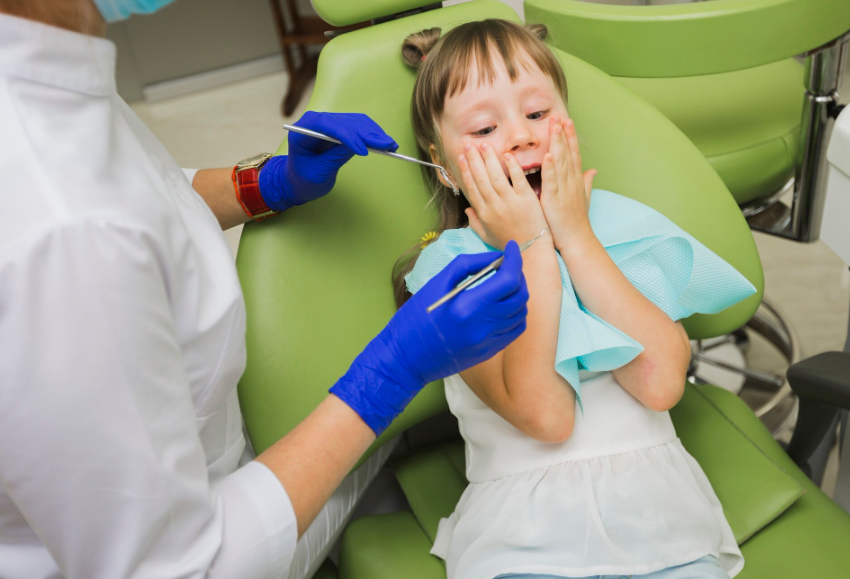
It is also worth noting that stress and a child’s anxiety around dental visits can be managed effectively when you start visits early. Children who see the dentist from a young age typically develop a positive relationship with dental care that follows them into adulthood.
Richmond Hill Smile Centre is located at 10157 Yonge St Unit 101, Richmond Hill, ON L4C. You can reach them at (647) 362-4755 or by email at info@richmondhillsmilecentre.ca for appointment bookings or any questions about your child’s dental health.
Nutrition Tips to Protect Toddler Teeth
What your child eats plays a direct role in their dental health. Consider these dietary recommendations:
- Offer water as the primary beverage, especially fluoridated tap water
- Limit fruit juice to no more than 120ml per day and always serve it with a meal
- Choose whole fruits over fruit juices to reduce sugar concentration
- Serve cheese, yogurt, and milk as snack options since calcium supports strong enamel
- Avoid sticky foods like gummy candies, dried fruit, and chewy granola bars that cling to teeth
- Encourage vegetables and fibrous foods that stimulate saliva production and natural cleaning
Frequently Asked Questions
Q1: At what age should I first take my toddler to the dentist? Your child should have their first dental visit by the time their first tooth appears or by their first birthday, whichever comes first. Early visits help identify any concerns and establish a comfortable routine.
Q2: Is it normal for toddlers to get cavities? While tooth decay in toddlers is unfortunately common, it is not inevitable. With consistent brushing, a healthy diet, and regular dental checkups, the majority of cavities in young children can be prevented.
Q3: Can tooth decay in baby teeth affect permanent teeth? Yes. Severe decay in baby teeth can spread to the surrounding tissue and even affect the developing permanent tooth underneath. Premature loss of baby teeth can also lead to alignment problems when adult teeth erupt.
Q4: Is fluoride toothpaste safe for toddlers? Yes, a rice-grain-sized amount of fluoride toothpaste is recommended for children under three years old. For children aged three to six, a pea-sized amount is appropriate. Supervision is important to minimize swallowing.
Q5: What should I do if my toddler is afraid of the dentist? Start by choosing a dental practice experienced in pediatric care. Prepare your child by reading books or watching videos about dental visits, and frame the experience positively. Avoid using words like “pain” or “needle.” Most children become comfortable with routine dental visits over time.
Conclusion
Tooth decay in toddlers is a serious but highly preventable condition that has lasting effects on both baby and permanent teeth. By establishing good oral hygiene habits early, limiting sugary foods and drinks, and attending regular dental appointments, parents can protect their children from unnecessary pain and complications. Acting quickly at the first signs of decay gives your child the best chance at a healthy, confident smile throughout their life.