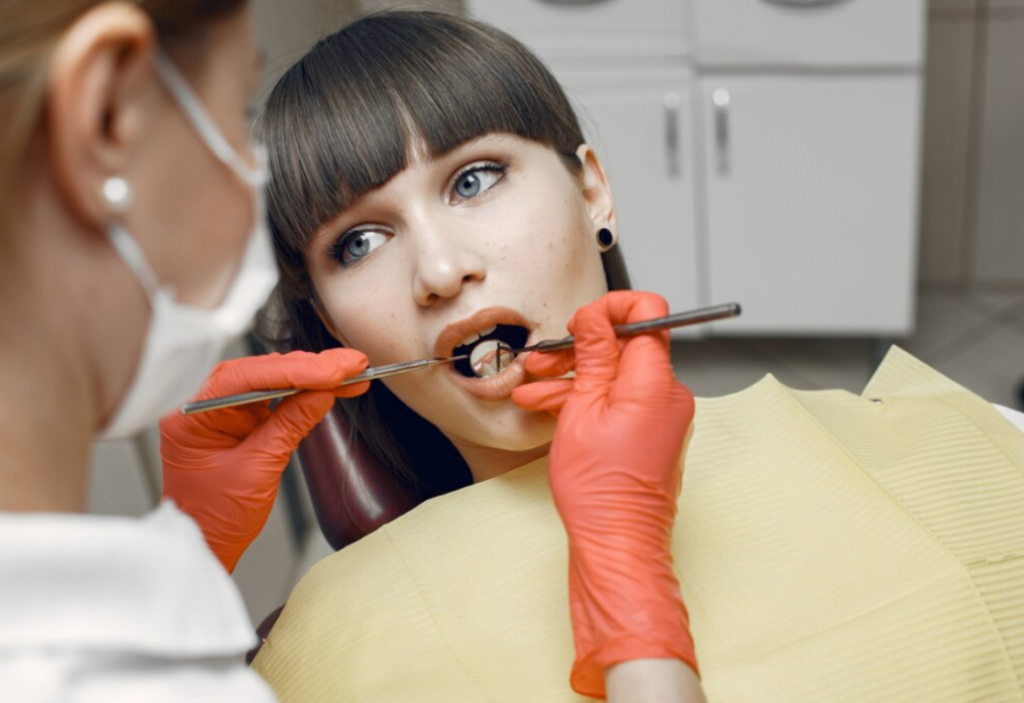
Dental cleaning in Richmond Hill is one of the most important routine health appointments you can make. A professional cleaning removes the hardened plaque deposits that daily brushing and flossing leave behind, protects against gum disease, and gives the dental team the opportunity to identify any early signs of decay or other issues that need attention. Most patients benefit from a cleaning every six months, and Richmond Hill Smile Centre is one of the best dental clinics in Richmond Hill for thorough, comfortable professional care. Patients looking for a dependable Dental Clinic in Richmond Hill will find that Richmond Hill Smile Centre combines clinical excellence with a welcoming, patient-focused environment.
A professional dental cleaning goes well beyond what can be achieved at home. The instruments used by dental hygienists remove calculus, the hardened mineral deposits that form when plaque is not fully removed and calcifies onto the tooth surface over days and weeks. Once calculus forms, no amount of brushing will dislodge it. Left in place, it provides an ideal rough surface for bacteria to accumulate, triggering the gum inflammation that leads to gingivitis and, eventually, periodontitis. Consistent access to quality Dental Care in Richmond Hill at Richmond Hill Smile Centre ensures these deposits are removed at the right intervals before they can cause lasting damage to the gum tissue and bone.
What Does a Professional Dental Cleaning Include?
A professional cleaning appointment covers several components that work together to protect and maintain your oral health.
Medical and Dental History Review
Each appointment begins with a brief review of any changes to your health, medications, or dental concerns since your last visit. This is not a formality. New medications, health conditions, and lifestyle changes all have relevance to your oral health and influence the team’s approach to your care. Patients who have developed dry mouth from new medication, for example, have significantly increased cavity risk that the team needs to account for.
Supragingival Scaling
The dental hygienist uses handheld scalers and an ultrasonic instrument to remove plaque and calculus from all visible tooth surfaces and the area just at the gumline. The ultrasonic instrument vibrates at high frequency and uses a water spray to break deposits apart and flush them away simultaneously. This step takes the longest and is the core of the cleaning process.
Subgingival Scaling and Root Planing
For patients with pockets deeper than three millimetres or with signs of active gum disease, the hygienist cleans below the gumline to remove deposits from the root surfaces within the pockets. Root planing smooths the root surface to remove bacterial toxins embedded in the outer cementum and creates a smoother surface to which gum tissue can reattach. This may require local anaesthetic for patient comfort.
Polishing
After scaling, the teeth are polished with a rotating rubber cup and a mildly abrasive paste. This removes surface stains from coffee, tea, tobacco, and food and leaves the tooth surfaces smooth, making it harder for new plaque to adhere. The polished surface also reflects light more evenly, producing a noticeably cleaner appearance immediately after the appointment.
Fluoride Application
Many cleaning appointments include the application of a fluoride varnish or gel directly to the tooth surfaces. The fluoride is left in place for a short time and then rinsed. It strengthens enamel, reduces sensitivity, and provides a concentrated protective boost particularly valuable for patients at elevated cavity risk.
Oral Cancer Screening
A thorough examination of the lips, tongue, floor of the mouth, palate, and the soft tissues of the cheeks and throat is performed to identify any unusual changes in colour, texture, or surface integrity. Oral cancer has an excellent survival rate when caught early and a much poorer one when discovered at an advanced stage. Regular dental appointments provide a consistent opportunity for this screening.
The examination component of the appointment also includes measurement of gum pocket depths around each tooth, assessment of the bite, and evaluation of any existing restorations for wear or marginal breakdown. This combination of clinical examination and professional cleaning gives the dental team a complete picture of the current state of your oral health at each visit. Patients who have questions about what the examination or cleaning will involve are encouraged to ask the dental team at any point. Booking with an experienced Dentist in Richmond Hill means these questions will always receive thorough, personalised answers.
How Often Should You Get a Dental Cleaning?
The twice-yearly standard applies to most adults with generally healthy teeth and gums and a low to moderate risk of dental disease. However, this interval is a starting point, not a universal rule. Patients with a history of gum disease are typically maintained on a three to four monthly cleaning schedule after completing active periodontal treatment, as this interval is required to prevent bacterial populations in the treated pockets from re-establishing at damaging levels.
Pregnant patients benefit from more frequent cleanings during pregnancy because hormonal changes significantly increase gum sensitivity and the inflammatory response to plaque, raising the risk of pregnancy gingivitis. Patients with diabetes, dry mouth, compromised immune function, or who wear orthodontic appliances may also need more frequent professional care. The dental team at Richmond Hill Smile Centre will recommend the cleaning interval that best matches your individual risk profile.
Signs You Need a Cleaning Sooner Than Scheduled
Certain signs between appointments indicate that a cleaning should not wait until the next scheduled visit. Gums that bleed consistently when you brush or floss are showing signs of gingivitis. Visible dark deposits along the gumline or between the teeth indicate calculus buildup. A persistent bad taste or persistent bad breath that does not resolve with brushing may reflect bacterial accumulation in periodontal pockets. Increasing sensitivity to cold air or cold water can indicate gum recession exposing root surfaces. Any of these signs warrants contacting the clinic for an earlier appointment.
Richmond Hill Smile Centre at 10157 Yonge St Unit 101, Richmond Hill, ON L4C is one of the best dental clinics in Richmond Hill for responsive, patient-centred care. The team welcomes patients who are returning to dental care after a gap, new patients looking for a long-term dental home, and existing patients with concerns between scheduled appointments. Patients can reach the team at info@richmondhillsmilecentre.ca or (647) 362-4755. Richmond Hill Smile Centre is committed to making every cleaning appointment thorough, comfortable, and genuinely valuable for your long-term oral health.
Common Mistakes That Reduce the Benefit of Professional Cleanings
The most costly mistake patients make is skipping cleaning appointments when they feel no symptoms. Most dental disease is painless in its early stages. Cavities, early gum disease, and changes to the bite all develop silently, and professional examination during a cleaning appointment is how these changes are caught before they become serious. Waiting for pain before attending is a pattern that consistently leads to more complex and more expensive treatment.
A second common mistake is rinsing vigorously with water immediately after brushing, which removes the protective fluoride film that toothpaste deposits on the tooth surfaces. Spitting out the excess paste and not rinsing is a simple habit that meaningfully increases the protective benefit of fluoride toothpaste. Similarly, avoiding food and drink for 30 minutes after fluoride application at the dental office maximises the uptake of the professionally applied fluoride.
Patients who also want to understand how professional cleaning relates to their full oral health picture, including how often X-rays are needed and what a comprehensive examination covers, can find all this information through a first appointment at Richmond Hill Smile Centre. Detailed information about the professional hygiene services provided by the clinic is available at Dental Cleaning in Richmond Hill to help patients prepare for their visit.
Frequently Asked Questions
Does a dental cleaning hurt?
For most patients with healthy gums and regular cleaning intervals, the appointment involves mild pressure and vibration with no pain. Patients with inflamed gums or significant tartar buildup may experience more sensitivity during scaling. Topical anaesthetic gel can be applied to sensitive areas before the hygienist begins, and the technique is adjusted throughout the appointment based on patient comfort.
How long does a cleaning take?
A routine cleaning with examination typically takes 45 to 60 minutes for a patient who attends every six months. Patients who have not had a cleaning in a year or more, or who have substantial calculus deposits, may require a longer appointment or need the cleaning divided into separate visits for thoroughness and comfort.
Will a cleaning whiten my teeth?
Professional polishing as part of a cleaning removes surface stains from coffee, tea, tobacco, and food, producing a noticeably brighter appearance. However, polishing does not change the underlying colour of the dentine beneath the enamel. For patients who want a significant shade improvement beyond stain removal, professional bleaching is the appropriate next step.
Is a dental cleaning safe during pregnancy?
Yes. Professional dental cleaning is safe and recommended throughout pregnancy. Untreated gum disease during pregnancy has been linked to adverse outcomes including preterm birth in some research studies. Most dental organisations recommend that pregnant patients maintain their regular cleaning schedule and attend additional appointments if their gums show signs of increased inflammation.
What happens if I skip dental cleanings for several years?
Patients who skip cleaning appointments over several years typically accumulate significant calculus deposits, develop gingivitis, and in many cases develop early periodontitis with measurable bone loss. Returning to care is always worthwhile, and the dental team will help patients understand the current state of their oral health and create a practical treatment plan to restore it without judgment.
Conclusion
Dental cleaning in Richmond Hill at Richmond Hill Smile Centre is a straightforward investment in your long-term oral health that prevents far more costly problems from developing. The team provides thorough, comfortable, and genuinely informative appointments that leave patients understanding their oral health and confident in the care they receive.