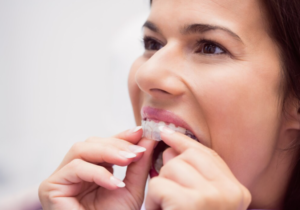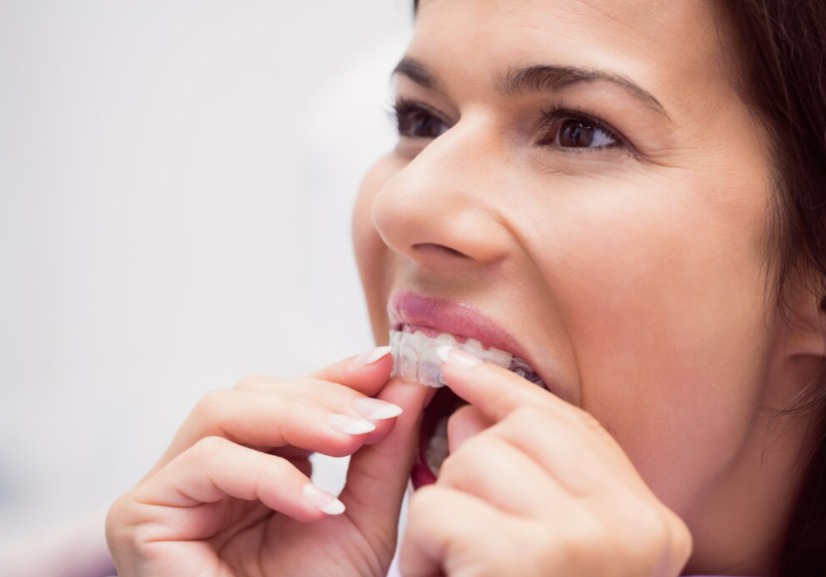
Invisalign is a professionally supervised clear aligner treatment performed under the care of a licensed dentist or orthodontist, while SmileDirectClub is an at-home aligner service that bypasses in-person clinical supervision throughout treatment. If you are deciding between the two, the core difference is safety and supervision: Invisalign involves regular dental checkups, whereas SmileDirectClub does not require ongoing professional oversight. For most patients, Invisalign offers more predictable, safer, and more comprehensive results.
If you are considering teeth straightening and are looking for a trusted dental clinic in Richmond Hill, understanding these two choices clearly can help you make the decision that is best for your long-term oral health.
What Is Invisalign?
Invisalign is a clear aligner system developed by Align Technology. It uses a series of custom-made, removable plastic trays that gradually shift your teeth into the desired position. Treatment is planned and overseen by a certified dentist or orthodontist who uses digital scanning, X-rays, and clinical assessments to design a tailored treatment plan.
Throughout the process, you visit your provider at regular intervals, typically every six to eight weeks, so that your progress can be monitored and adjustments can be made as needed. This ongoing professional involvement is what sets Invisalign apart from at-home alternatives.
For those exploring dental care in Richmond Hill and looking for an experienced Invisalign provider, finding a clinic that offers full clinical assessments before treatment begins is essential.
What is SmileDirectClub?
SmileDirectClub (SDC) is a direct-to-consumer aligner company. Patients either visit a SmileShop for a scan or use an at-home impression kit to create a model of their teeth. These impressions are reviewed remotely by a licensed dental professional, who then approves and sends a series of aligners to the patient’s home.
The key distinction is that there are no in-person follow-up appointments. All communication between the patient and the reviewing professional happens online or by phone. This model lowers costs significantly but removes the hands-on clinical monitoring that is considered a standard of care in orthodontic treatment.
Working with an experienced dentist in Richmond Hill means you receive face-to-face guidance throughout your treatment, something SDC is not designed to offer.
Invisalign vs SmileDirectClub: A Direct Comparison
| Feature | Invisalign | Smile Direct Club |
|---|---|---|
| Professional supervision | Yes, throughout treatment | Remote only, no in-person follow-ups |
| Custom treatment plan | Full digital scan and clinical exam | At-home impression or SmileShop scan |
| Cases treated | Mild to complex | Mild to moderate only |
| Regular check-ins | Every 6 to 8 weeks in person | None required |
| Treatment time | 6 to 18 months depending on case | Approximately 4 to 6 months |
| Safety | Clinically monitored | Limited oversight |
| Results | Predictable and precise | SmileDirectClub |
This comparison makes it clear why dental professionals consistently recommend Invisalign for patients who want reliable and safe outcomes.
Who Is a Candidate for Invisalign?
Invisalign is suitable for a wide range of patients, from teenagers to adults. It can treat crowded teeth, gapped teeth, overbite, underbite, crossbite, mild to severe misalignment, and open bite. Because a licensed professional conducts a full examination before starting treatment, complex cases are identified and addressed appropriately. This is something at-home services cannot do, as they rely entirely on impressions submitted without an accompanying clinical exam.
Richmond Hill Smile Centre is one of the best dental clinics in Richmond Hill, offering Invisalign consultations for patients of all ages. Their team provides thorough assessments to ensure the treatment plan is appropriate for each individual’s specific dental needs. You can reach them at (647) 362-4755 or by email at info@richmondhillsmilecentre.ca. The clinic is located at 10157 Yonge St Unit 101, Richmond Hill, ON L4C.
Who Should Not Use SmileDirectClub?
SmileDirectClub is not appropriate for everyone. The company itself states that it only treats mild to moderate spacing or crowding cases. Patients with the following conditions should avoid SDC:
- Severe crowding or spacing
- Significant bite problems such as overbite, underbite, or crossbite
- Active gum disease or tooth decay
- Missing teeth that require restoration before alignment
- Dental implants, bridges, or certain types of existing dental work
- Growing children or teenagers with developing jaws
Proceeding with SDC when these conditions exist can lead to worsening bite issues, uneven tooth movement, or even permanent damage. These are risks that in-person dental supervision is designed to prevent.
The Invisalign Process: What to Expect Step by Step
If you are interested in exploring Invisalign in Richmond Hill, understanding the full process helps you know exactly what to expect before committing.
Step 1: Initial Consultation Your dentist conducts a full oral examination including digital X-rays and 3D scans to assess your teeth, gums, and bone structure.
Step 2: Treatment Planning Using Invisalign’s ClinCheck software, your dentist creates a precise digital treatment plan that shows the expected movement of your teeth at every stage. You can preview your final results before treatment even begins.
Step 3: Aligner Fabrication Your custom aligners are manufactured and delivered to your dental clinic.
Step 4: Active Treatment You wear each set of aligners for one to two weeks before moving to the next set. You visit your dentist regularly to ensure everything is progressing as planned.
Step 5: Refinements (If Needed) If minor adjustments are needed mid-treatment, new aligners can be fabricated to address them.
Step 6: Retention Once treatment is complete, your dentist will fit you with a retainer to maintain your new smile long-term.
Common Mistakes Patients Make When Choosing Between the Two
Choosing based on price alone. SDC is often perceived as a more budget-friendly option. However, correcting problems caused by unsupervised treatment can cost significantly more in the long run.
Assuming the results will be the same. Many patients believe that since both options use clear aligners, the end results will be comparable. Clinical evidence and patient outcomes consistently show that professionally monitored treatment delivers more accurate and lasting results.
Skipping the dental exam. Some patients skip the initial dental checkup entirely and go straight to at-home services. Existing decay, gum disease, or bone issues must be identified and treated before any orthodontic work begins.
Not wearing aligners consistently. Whether you use Invisalign or SDC, aligners must be worn 20 to 22 hours per day to be effective. Inconsistent wear is the leading cause of poor results with either system.
Not planning for retention. Both systems require retainers after treatment to prevent teeth from shifting back. Many patients neglect this step, undoing months of progress.
Safety Warnings About At-Home Aligners
Several dental and orthodontic associations have raised concerns about at-home aligner services. The primary issues include:
- Lack of X-rays means bone loss or root issues can go undetected
- No in-person monitoring means problems are often caught late
- Remote approval does not replace a clinical examination
- Patients with untreated gum disease can experience accelerated damage during tooth movement
If you experience any pain, unusual pressure, gum irritation, or notice that your bite has changed unexpectedly during at-home treatment, stop using the aligners and consult a dentist immediately.
Professional Advice: What Dentists Recommend
Dental professionals are clear in their guidance: clear aligner treatment should always involve professional oversight. Teeth move in response to consistent, calibrated pressure. When that pressure is applied without clinical monitoring, the risk of root damage, bone stress, and bite misalignment increases. Choosing a professionally supervised treatment may take slightly longer, but the results are more precise, the process is safer, and any complications can be identified and corrected before they become serious.
Tips for Maintaining Your Results After Treatment
- Wear your retainer every night as directed by your dentist
- Maintain excellent oral hygiene to protect your aligned teeth
- Avoid habits such as nail biting, chewing ice, or grinding that can shift teeth
- Schedule regular dental check-ups to monitor your bite long-term
- If you notice your retainer no longer fits properly, contact your dentist promptly
Frequently Asked Questions
Q1: Is Invisalign more effective than SmileDirectClub? Yes, in most cases. Invisalign is clinically supervised, uses more advanced treatment planning technology, and can address a broader range of alignment issues. Studies consistently show that professionally monitored aligner therapy produces more accurate and stable outcomes.
Q2: Can SmileDirectClub fix my bite? Smile Direct Club is not designed to correct significant bite issues such as overbite, underbite, or crossbite. These cases require in-person clinical evaluation and a more comprehensive treatment approach. Only a licensed dentist or orthodontist can properly assess and treat bite problems.
Q3: How long does Invisalign take compared to SmileDirectClub? Invisalign treatment typically takes between 6 and 18 months depending on the complexity of your case. SmileDirectClub averages 4 to 6 months, but it only treats simpler cases that would also be among the faster-resolving cases with Invisalign.
Q4: Is SmileDirectClub safe? SmileDirectClub carries risks that professionally supervised treatment does not. Without in-person check-ups, problems such as root resorption, bone stress, or gum disease can go undetected during treatment. It is important to consult a dentist before choosing any aligner therapy.
Q5: Does insurance cover Invisalign? Many dental insurance plans include orthodontic coverage that can be applied toward Invisalign treatment. Coverage varies by plan, so it is best to check with your insurance provider and your dental clinic to understand your specific benefits.
Conclusion
Invisalign and SmileDirectClub are not equivalent options. Invisalign offers a professionally supervised, clinically precise treatment that is safe for a wide range of cases, while SmileDirectClub is a limited at-home service best suited only for mild cases with no complex dental history. For most patients who want reliable results and peace of mind, choosing a professional provider is the smarter and safer choice.