A root canal usually takes 60 to 90 minutes for a single appointment, with front teeth often finished in about an hour and molars taking up to two hours because they have more canals. Some cases are completed in one visit, while others need two visits, especially when infection is present. Needing a root canal is common and the procedure is usually no more uncomfortable than a filling, but the infection or inflammation that causes it is serious and will not heal on its own, so prompt root canal treatment protects both your tooth and your health.
If you have been told you need a root canal, it is natural to worry about how long you will be in the chair, how much time to take off work, and whether it will hurt. Most of that anxiety comes from outdated stories. Modern techniques, digital imaging, and effective anesthesia make treatment efficient and comfortable. A trusted dental clinic in Richmond Hill will explain your timeline clearly before you begin.
If severe pain or swelling strikes suddenly, an emergency dental clinic visit can relieve pressure and start treatment quickly.
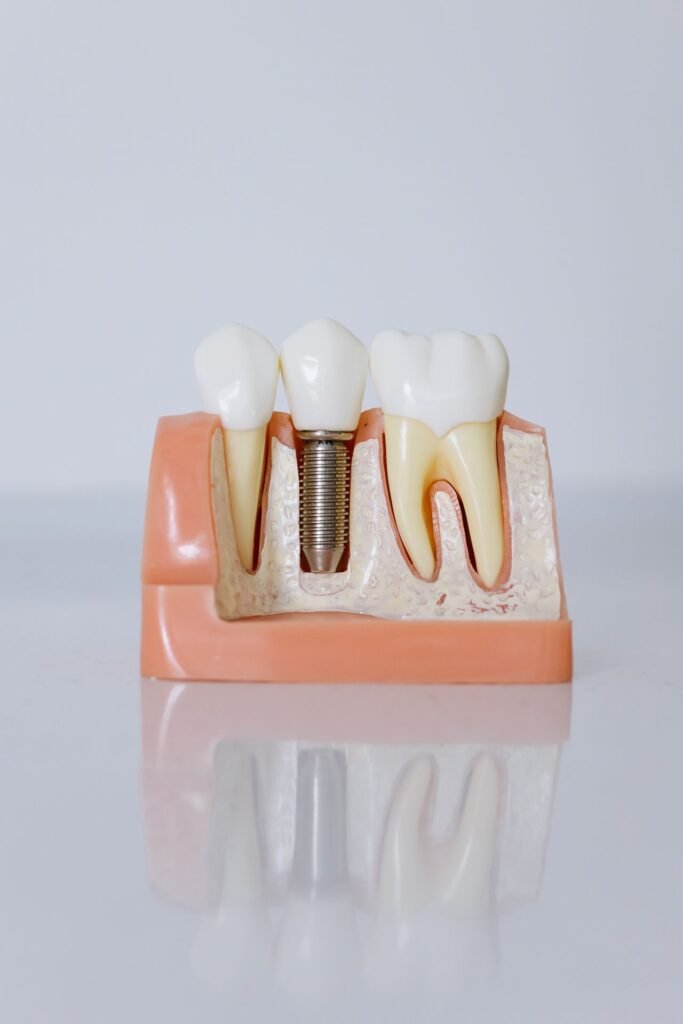
After a root canal, most back teeth need a crown to protect them from breaking, which is where crowns and bridges come in. If a tooth cannot be saved, dental implants offer a durable replacement. Below, we break down how long each step takes, what affects the timeline, recovery, and how to prepare.
What Is a Root Canal?
A root canal, or endodontic treatment, removes infected or inflamed pulp from inside a tooth. The pulp contains nerves and blood vessels. Once it becomes irreversibly damaged by deep decay, cracks, or trauma, it cannot heal. The dentist cleans and shapes the canals inside the roots, disinfects them, and seals them to prevent reinfection. The tooth is then restored, usually with a crown.
How Long Does Each Type of Tooth Take?
- Front teeth (incisors and canines): Usually one canal. About 45 to 60 minutes.
- Premolars: One or two canals. About 60 to 90 minutes.
- Molars: Three or four canals, sometimes more. About 90 minutes to two hours.
- Retreatment of a previous root canal: Often longer, as old filling material must be removed.
One Visit or Two? Comparison Summary
- Single visit: Common when the pulp is inflamed but not heavily infected, and the canals can be cleaned and sealed in one appointment.
- Two visits: Often used when there is significant infection, swelling, or complex canal anatomy. Medication is placed inside the tooth between visits, typically one to two weeks apart.
- Crown appointment: Usually one to two additional visits to prepare and place a permanent crown.
What Happens During a Root Canal: Step by Step
- Diagnosis: Exam, tests, and X-rays confirm the need for treatment.
- Numbing: Local anesthetic keeps the tooth and surrounding area comfortable.
- Isolation: A thin rubber sheet called a dental dam keeps the tooth clean and dry.
- Access: A small opening is made in the top of the tooth.
- Cleaning and shaping: Infected pulp is removed and canals are shaped with fine instruments.
- Disinfection: Canals are rinsed with antimicrobial solutions.
- Filling: Canals are sealed with a biocompatible material.
- Temporary or permanent filling: The access opening is closed.
- Crown: A crown is placed at a later visit to protect the tooth.
What Affects How Long a Root Canal Takes?
- Number and shape of canals
- Presence of curved, narrow, or calcified canals
- Severity of infection
- Previous dental work on the tooth
- How easily the tooth can be numbed
- Whether the tooth is a retreatment
Signs You May Need a Root Canal
- Lingering sensitivity to hot or cold
- Throbbing or spontaneous pain
- Pain when biting
- Swollen or tender gums near a tooth
- A pimple-like bump on the gum
- Darkening of a tooth
Some infected teeth cause no symptoms and are found on X-rays during routine exams.
Recovery Timeline After a Root Canal
- First 24 to 72 hours: Mild soreness and tenderness when biting are common and manageable with over-the-counter pain relief.
- First week: Discomfort steadily improves. Avoid chewing hard foods on the tooth until the crown is placed.
- After the crown: The tooth functions like a normal tooth.
Most people return to work or school the same day or the next day.
Common Myths About Root Canals
Myth: Root canals are extremely painful.
Fact: Modern root canals are usually as comfortable as a filling. They relieve pain rather than cause it.
Myth: It is better to pull the tooth.
Fact: Saving your natural tooth is usually the best option for chewing, appearance, and bone health.
Myth: Root canals take many long appointments.
Fact: Most are completed in one or two visits.
Myth: Root canals cause illness.
Fact: This claim is based on outdated research that has been disproven.
Real Patient Scenarios
Scenario 1: A patient with a cracked front tooth has a single one-hour visit and returns to work that afternoon.
Scenario 2: A patient with a swollen, infected molar has two visits a week apart, with medication placed in between, then receives a crown.
Scenario 3: A patient delays treatment for months and eventually needs the tooth removed and replaced with an implant.
Common Mistakes Patients Make
- Waiting until pain is severe before seeking care.
- Chewing hard foods on the treated tooth before the crown.
- Skipping the crown appointment.
- Assuming pain relief means the infection is gone.
- Not taking prescribed medication as directed.
Safety Disclaimer
Facial swelling, fever, or difficulty swallowing or breathing may signal a spreading infection and require urgent care. This article is general information only. Root canal treatment should be performed by licensed dental professionals registered with the Royal College of Dental Surgeons of Ontario.
Trusted Root Canal Care in Richmond Hill
Richmond Hill Smile Centre is one of the best dental clinics in Richmond Hill, offering general, cosmetic, restorative, and emergency dentistry with a focus on comfort and clear communication. Whether you need a dentist in Richmond Hill for a root canal or a complete smile design plan, the team takes time to explain every step.
You can visit Richmond Hill Smile Centre at 10157 Yonge St Unit 101, Richmond Hill, ON L4C 1T6, or email info@richmondhillsmilecentre.ca to request an appointment. Many patients consider it a top dentist in Richmond Hill for gentle, efficient treatment.
How to Prepare for Your Root Canal
- Eat a light meal beforehand, since you may be numb for a few hours.
- Take any prescribed antibiotics or pain medication as directed.
- Share your full medical history and medication list.
- Plan a relaxing activity for the rest of the day.
- Bring headphones if music helps you relax.
- Ask questions ahead of time so you know exactly what to expect.
Root Canal vs Extraction: Time and Long-Term Impact
An extraction may seem faster, but replacing a missing tooth with an implant or bridge usually takes more time overall, often several months. Saving your natural tooth with a root canal and crown typically requires fewer total appointments and preserves your bite, bone, and natural appearance. Your dentist will help you compare both options honestly based on the tooth’s condition.
What Does a Root Canal Feel Like?
Once the anesthetic takes effect, most patients feel only pressure and vibration, similar to getting a filling. The dental dam keeps your mouth dry and prevents small instruments or rinsing solutions from reaching your throat, which many patients find reassuring. You can listen to music, and you can raise a hand anytime you need a break.
If the tooth is very inflamed, numbing may take a little longer or need a top-up. Letting your dentist know if you feel any sensation allows them to add anesthetic before continuing. The goal is for you to be comfortable throughout. Many patients are surprised to find the appointment easier than they expected and leave with immediate relief from the pain that brought them in.
Why a Crown Is Usually Needed Afterward
A tooth that needs a root canal has often been weakened by decay, large fillings, or cracks. Once the pulp is removed, the tooth becomes more brittle over time. Back teeth take heavy chewing forces, so they are especially prone to fracture without full coverage. A crown holds the tooth together, seals it from bacteria, and restores normal chewing. Front teeth with minimal damage may sometimes be restored with a filling alone, but your dentist will recommend the best option after assessing how much healthy structure remains.
Delaying the crown increases the risk of the tooth cracking below the gumline, which can make it impossible to save. Scheduling the crown within a few weeks of the root canal is one of the most important steps for long-term success.
How Long Does a Root Canal-Treated Tooth Last?
With a well-fitted crown and good oral hygiene, a tooth treated with a root canal can last many years, often a lifetime. Regular checkups and X-rays help monitor healing around the root tip. If problems arise later, retreatment is often possible.
Smile Design After Restorative Care
Restoring a tooth after a root canal is also an opportunity to improve its appearance. Crowns are shade-matched and shaped to blend with your smile, and they can be coordinated with whitening, bonding, or veneers as part of a broader smile design plan.
What Causes the Pulp to Become Infected?
- Deep decay: Bacteria travel through enamel and dentin into the pulp.
- Cracked or chipped teeth: Cracks create a pathway for bacteria.
- Repeated dental work: Multiple procedures on the same tooth can stress the pulp.
- Trauma: A blow to the mouth can damage the nerve even without visible cracks.
- Leaking fillings or crowns: Gaps allow bacteria to seep underneath.
Once bacteria reach the pulp, the body cannot clear the infection on its own because the pulp sits inside a hard, enclosed space. That is why professional treatment is necessary.
How Digital X-Rays Help Plan Treatment
Digital X-rays show the number, length, and shape of the roots and reveal infection at the root tips. This helps predict how long treatment will take and whether one or two visits are needed. Follow-up X-rays months later confirm that the bone around the root is healing.
Can Antibiotics Replace a Root Canal?
No. Antibiotics may be prescribed when infection spreads beyond the tooth or causes swelling, but they cannot reach bacteria inside the dead or dying pulp because it no longer has a blood supply. Without cleaning the canals, the infection returns once the antibiotics stop. Root canal treatment removes the source of infection, which is why it is the definitive solution for saving the tooth. Relying on repeated antibiotics without treatment can also contribute to antibiotic resistance.
Frequently Asked Questions
Can a root canal be done in one day?
Yes. Many root canals are completed in a single visit, especially when infection is limited.
How long will I be numb after a root canal?
Usually two to four hours, depending on the tooth and anesthetic.
Can I go to work after a root canal?
Most people can return the same day or the next day.
How soon do I need a crown after a root canal?
Ideally within a few weeks, to protect the tooth from breaking.
Is it normal to feel pain after a root canal?
Mild soreness for a few days is normal. Severe or worsening pain should be checked.
Conclusion
A root canal typically takes 60 to 90 minutes, with molars taking longer and some cases needing two visits.
Modern treatment is comfortable and saves your natural tooth.
Prompt care and a protective crown help the tooth last for many years.