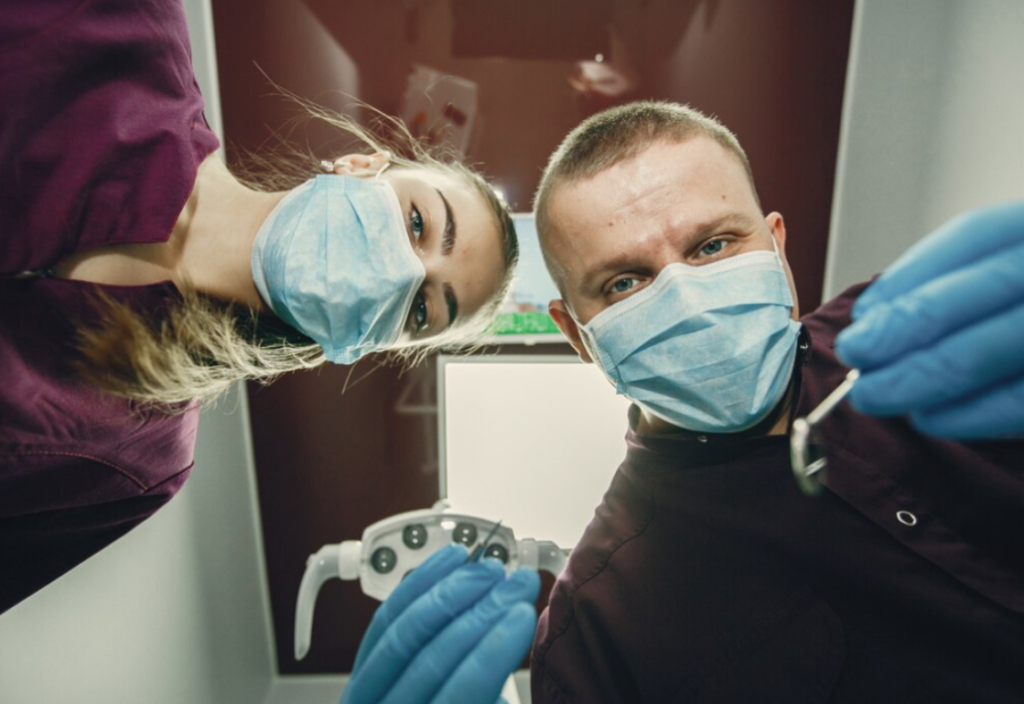
A dental emergency can happen to anyone at any time, and knowing where to turn matters. An emergency dentist in Richmond Hill provides urgent dental care for situations such as knocked-out teeth, severe toothaches, broken crowns, dental abscesses, and facial trauma. If you are experiencing dental pain or injury, reaching a Dental Clinic in Richmond Hill with same-day emergency availability as quickly as possible can mean the difference between saving and losing a tooth.
Most dental emergencies do not occur at convenient times. Pain can intensify at night, on weekends, or during holidays, making prompt access to care critical. Richmond Hill Smile Centre is one of the best dental clinics in Richmond Hill, providing responsive emergency dental services to patients throughout the area. For trusted Dental Care in Richmond Hill, knowing exactly what qualifies as a dental emergency and what steps to take can reduce anxiety and improve your outcome.
What Is a Dental Emergency?
A dental emergency is any oral health situation that requires immediate professional attention to relieve severe pain, control bleeding, prevent permanent damage, or address infection. Not every dental concern is an emergency, but certain conditions should never be ignored or delayed. Understanding the difference between urgent and non-urgent dental issues helps you respond appropriately.
Situations That Require Immediate Emergency Dental Care
- A knocked-out (avulsed) permanent tooth
- A cracked or fractured tooth causing severe, persistent pain
- A dental abscess or infection with facial swelling
- Uncontrolled bleeding in the mouth following an injury or extraction
- A lost filling or crown exposing a sensitive or painful tooth
- A broken dental appliance causing injury to gum or mouth tissue
Situations That Can Wait for a Regular Appointment
- A chipped tooth with no pain or sharp edges irritating soft tissue
- A lost filling that is not causing discomfort
- A dull, mild toothache that is not worsening
- Mild sensitivity to hot or cold that does not persist
What to Do in a Dental Emergency
Acting quickly and calmly in a dental emergency significantly improves outcomes. The following steps provide guidance for the most common emergency situations:
Knocked-Out Tooth
- Pick up the tooth by the crown (the visible white part), never by the root
- If the tooth is dirty, rinse it gently with clean water for no more than ten seconds. Do not scrub or use soap
- If possible, place the tooth back in the socket gently and hold it in place by biting on a clean cloth
- If you cannot replace the tooth, keep it moist by placing it in a cup of milk or between your cheek and gum
- Contact an emergency dentist immediately. The best chance of re-implantation is within thirty to sixty minutes
Dental Abscess
A dental abscess is a bacterial infection that forms a pocket of pus around the tooth root or in the gum tissue. Symptoms include severe throbbing pain, facial swelling, fever, and a bad taste in the mouth. An abscess is a serious infection that can spread to the jaw, neck, and other areas if left untreated. If you suspect a dental abscess, contact an Emergency Dentist in Richmond Hill without delay. Do not attempt to drain the abscess at home. Antibiotics alone cannot eliminate the infection without proper dental drainage and treatment.
Broken or Cracked Tooth
- Rinse your mouth with warm water to clean the area
- Apply a cold compress to the outside of the cheek to reduce swelling
- Take over-the-counter pain relief if needed, following package directions
- Save any broken tooth fragments if possible
- See an emergency dentist as soon as possible, as untreated cracks can worsen and lead to infection
Common Causes of Dental Emergencies
Understanding what causes dental emergencies helps patients take steps to reduce their risk. The most frequent causes include:
- Sports injuries, especially contact sports without a proper mouthguard
- Biting down on hard foods such as ice, hard candy, or unpopped popcorn kernels
- Using teeth as tools to open packaging or bite through hard materials
- Neglected cavities that progress to infection
- Old or failing dental restorations that crack under pressure
- Accidents and falls
The Emergency Dental Appointment: What to Expect
When you arrive at an emergency dental appointment, the dental team will prioritize relieving your pain and stabilizing the situation. Richmond Hill Smile Centre, accessible at 10157 Yonge St Unit 101, Richmond Hill, ON, provides compassionate, efficient emergency care. As one of the leading dental clinics in the area, their team is experienced in handling a wide variety of urgent dental situations. You can reach their office at (647) 362-4755 or by email at info@richmondhillsmilecentre.ca. The Dentist in Richmond Hill will take digital X-rays to assess the extent of damage, discuss your options clearly, and proceed with the most appropriate immediate treatment.
Typical steps in an emergency dental appointment include:
- A thorough clinical examination and diagnostic imaging
- Pain management, which may include local anesthesia or prescription medication
- Emergency treatment such as re-implantation, temporary or permanent restoration, drainage, or extraction
- A follow-up plan to complete any additional treatment required
Preventing Dental Emergencies
While not every dental emergency is preventable, several practical steps significantly reduce the risk. Patients who maintain regular dental check-ups at Richmond Hill Smile Centre benefit from early detection of cavities, cracks, and weakened restorations before they become emergencies. Prevention is always preferable to emergency care, both for your comfort and for preserving your natural teeth.
Key Prevention Strategies
- Attend regular dental check-ups every six months for professional cleaning and examination
- Wear a custom-fitted mouthguard during contact sports and physical activities
- Avoid habits such as chewing ice, biting your nails, or using your teeth to open packaging
- Address dental sensitivity, minor cracks, or loose fillings promptly before they worsen
- Maintain excellent at-home oral hygiene to prevent cavities and gum disease
When Children Have Dental Emergencies
Dental emergencies in children require the same prompt attention as in adults. A knocked-out baby tooth is generally not re-implanted, as forcing it back in can damage the developing permanent tooth underneath. However, if a child knocks out a permanent tooth, follow the same steps as for adults and contact an emergency dentist immediately. Dental trauma in children should always be evaluated by a professional, even if the injury appears minor, to rule out root or bone damage.
Frequently Asked Questions
What counts as a dental emergency?
A dental emergency is any situation involving severe pain, significant trauma to a tooth or mouth, uncontrolled bleeding, or signs of infection such as swelling and fever. If you are unsure whether your situation is urgent, it is always safer to call your dentist and describe your symptoms.
Can I go to an emergency room for a dental emergency?
A hospital emergency room can help manage dental pain and infection with medication but typically cannot perform dental procedures. For definitive dental treatment, you need to see an emergency dentist as soon as possible.
How much does emergency dental care cost?
The cost of emergency dental care varies depending on the type and extent of treatment required. Many dental clinics offer flexible payment options, and some treatments may be covered by dental insurance. Contact your clinic directly to discuss financial options before your appointment.
What if I lose a dental crown?
A lost dental crown is uncomfortable but not always a severe emergency. Keep the area clean, avoid chewing on that side, and contact your dentist for an appointment within one to two days. Some pharmacies sell temporary dental cement you can use to hold the crown in place temporarily.
How do I manage dental pain until I can see a dentist?
Over-the-counter pain relievers such as ibuprofen can reduce pain and inflammation. Clove oil applied carefully to the area can provide temporary relief. Avoid applying heat, as this can worsen swelling and infection. Contact your dentist as soon as possible.
Conclusion
A dental emergency demands immediate, professional attention. Knowing the signs of a true dental emergency, acting quickly, and having access to a trusted emergency dentist in Richmond Hill can make all the difference in preserving your teeth and oral health. The best outcome in any dental emergency comes from prompt professional care combined with good preventive habits that reduce the likelihood of crises occurring in the first place.