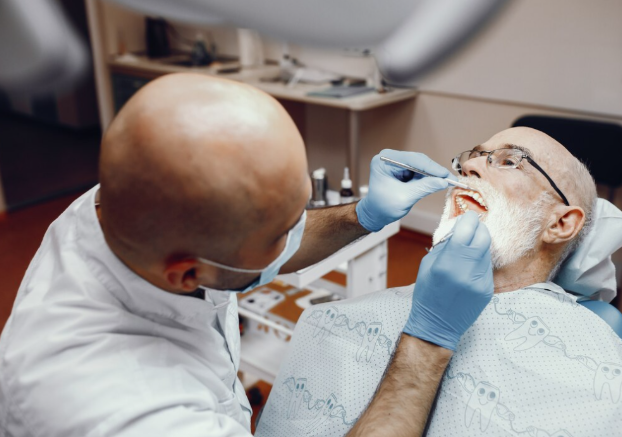
Dental implants for diabetics are generally safe and can be highly successful when blood sugar levels are well-managed. Research consistently shows that patients with controlled diabetes can undergo implant surgery with success rates comparable to those without diabetes. However, uncontrolled blood sugar significantly increases the risk of complications, including slower healing, infection, and implant failure.
If you or someone you know has diabetes and is considering dental implants, understanding how your overall health affects the procedure is essential. Patients who visit a reputable Dental Clinic in Richmond Hill are routinely assessed for systemic health conditions including diabetes before any implant treatment plan is finalized.
Diabetes affects the body’s ability to heal and fight infection. When blood sugar is elevated over time, the blood vessels that supply nutrients to the gums and jawbone can become compromised, reducing the healing capacity of the tissues around the implant. This does not automatically disqualify someone from receiving dental implants, but it does mean that careful planning and close medical coordination are required. For comprehensive Dental Care in Richmond Hill, patients with diabetes are encouraged to discuss their full medical history with their dental team from the very first appointment.
The good news is that modern implant dentistry has advanced significantly, and protocols have been developed specifically to accommodate patients with chronic health conditions. Richmond Hill Smile Centre, recognized as one of the best dental clinics in Richmond Hill, has experience working with medically complex patients, including those managing type 1 and type 2 diabetes.
Understanding the Relationship Between Diabetes and Oral Health
How Diabetes Affects the Mouth
Diabetes creates a bidirectional relationship with oral health. Poor oral health can worsen blood sugar control, and high blood sugar can worsen oral health. This relationship is important for anyone with diabetes to understand before pursuing any dental treatment.
Common oral health issues experienced by diabetic patients include:
- Higher rates of gum disease (periodontitis)
- Slower wound healing after dental procedures
- Increased susceptibility to oral infections
- Dry mouth, which raises the risk of cavities
- A greater likelihood of fungal infections such as oral thrush
A Dentist in Richmond Hill with experience in treating diabetic patients will assess all of these factors before recommending an implant procedure.
Type 1 vs Type 2 Diabetes and Implant Outcomes
Both type 1 and type 2 diabetics can receive dental implants, though the outcomes can vary:
- Type 1 diabetes is an autoimmune condition requiring insulin management from an early age. Implant success depends heavily on long-term blood sugar control.
- Type 2 diabetes is more common and often manageable with lifestyle changes, oral medication, or insulin. Patients with well-controlled type 2 diabetes tend to have the best implant outcomes.
In both cases, the key determining factor is the patient’s HbA1c level, which reflects their average blood sugar over the past three months. Most dental professionals prefer to see an HbA1c below 7 to 8 percent before proceeding with implant surgery.
What Makes Dental Implants Different From Other Tooth Replacements
A dental implant is a titanium post surgically inserted into the jawbone to replace the root of a missing tooth. A crown, bridge, or denture is then attached to the post, restoring both the appearance and function of the missing tooth.
Unlike dentures or bridges, implants:
- Are permanently anchored in the jaw
- Do not rely on adjacent teeth for support
- Stimulate the jawbone to prevent bone loss
- Feel and function like natural teeth
- Can last for decades with proper care
For diabetic patients, the osseointegration process, which is when the bone grows around and fuses with the titanium post, is the most critical phase. This process takes longer in diabetic patients and requires careful monitoring.
The Step-by-Step Dental Implant Process for Diabetic Patients
Step 1: Medical Clearance and Blood Sugar Assessment
Before any treatment begins, your dental team will coordinate with your physician or endocrinologist to ensure your diabetes is well-managed. Your HbA1c levels will be reviewed, and your dentist may request a recent blood panel.
Step 2: Comprehensive Dental Examination
Your dentist will conduct a full oral health assessment, including X-rays and possibly a 3D CT scan to evaluate the density and volume of your jawbone. Gum health will also be assessed, as active periodontal disease must be treated before implant placement.
Step 3: Treatment Planning
A personalized treatment plan is developed that accounts for your diabetes management schedule, any medications you are taking, and your overall healing capacity. Richmond Hill Smile Centre creates individualized plans that are adapted to each patient’s systemic health profile.
Step 4: Pre-Surgical Preparation
In the weeks before surgery, patients are often advised to:
- Achieve optimal blood sugar control
- Maintain rigorous oral hygiene
- Attend any necessary periodontal treatment
- Discuss antibiotic prophylaxis with their dental team
Step 5: Implant Placement Surgery
The implant is placed under local anesthesia in a sterile clinical environment. The procedure typically takes one to two hours per implant. For diabetic patients, surgeries are often scheduled in the morning when blood sugar levels tend to be more stable.
Step 6: Healing and Osseointegration
This is the most important phase for diabetic patients. While non-diabetic patients typically heal within three to six months, diabetic patients may need additional time. During this phase, regular check-ups are essential to monitor healing and detect any early signs of infection.
Step 7: Crown Placement and Final Restoration
Once the implant has fully integrated with the jawbone, the custom crown or restoration is attached. This completes the procedure and restores full dental function.
For information about Dental Implants in Richmond Hill, the team at Richmond Hill Smile Centre can walk you through the entire process and help you understand what to expect at each stage.
Success Rates: What the Research Shows
Multiple clinical studies have examined implant outcomes in diabetic patients. The findings are encouraging:
- Patients with well-controlled diabetes show implant survival rates of 94 to 98 percent over five years
- Patients with poorly controlled diabetes show increased rates of implant failure, particularly in the first year
- Smoking combined with diabetes significantly reduces success rates and is strongly discouraged
- Regular dental monitoring post-implant improves long-term outcomes
These statistics demonstrate that diabetes itself is not a barrier to successful implant treatment. The barrier is uncontrolled blood sugar.
Common Mistakes Diabetic Patients Make Before Implant Surgery
Not informing their dentist about their diabetes: Some patients omit or downplay their diabetes diagnosis when consulting a dentist. This is dangerous, as it prevents the dental team from taking appropriate precautions.
Proceeding with surgery when blood sugar is poorly controlled: Patients eager to complete their dental work sometimes push for surgery without achieving stable blood sugar levels. This significantly increases the risk of infection and implant failure.
Stopping diabetes medication before surgery without guidance: Some patients believe they should stop medication before a dental procedure. Unless specifically instructed by their physician, diabetes medications should not be discontinued.
Neglecting oral hygiene after implant placement: Good oral hygiene is critical during the healing phase. Plaque buildup around the implant site can lead to peri-implantitis, a serious infection that can cause implant failure.
Missing follow-up appointments: Diabetic patients require more frequent monitoring during the healing phase. Skipping follow-up visits can allow problems to go undetected until they become serious.
Prevention and Maintenance Tips for Diabetic Implant Patients
Maintaining your implants long-term requires consistent effort, especially as a diabetic patient:
- Brush twice daily using a soft-bristled toothbrush and a non-abrasive toothpaste
- Floss daily or use an interdental brush to clean around the implant
- Rinse with an antimicrobial mouthwash as recommended by your dentist
- Attend dental check-ups every three to four months
- Monitor your blood sugar consistently and communicate any changes to your dental team
- Avoid smoking and limit alcohol consumption
- Maintain a balanced diet that supports both your diabetes management and oral health
Richmond Hill Smile Centre is located at 10157 Yonge St Unit 101, Richmond Hill, ON L4C. You can reach the clinic by phone at (647) 362-4755 or by email at info@richmondhillsmilecentre.ca. As one of the best dental clinics in Richmond Hill, their team is well-equipped to support diabetic patients through every stage of the implant process.
Frequently Asked Questions
Q1: Can a diabetic patient get dental implants? Yes, diabetic patients can receive dental implants, provided their blood sugar levels are well-controlled. Patients with HbA1c levels within an acceptable range and no active oral infections are generally good candidates. A thorough evaluation by both a dentist and a physician is recommended before proceeding.
Q2: How does diabetes affect the healing process after implant surgery? Diabetes can slow the healing process by impairing blood flow and reducing the body’s ability to fight infection. This means osseointegration, the process by which the implant fuses with the bone, may take longer in diabetic patients. More frequent monitoring is typically required during recovery.
Q3: Are there any additional risks for diabetic patients undergoing implant surgery? Yes, the primary additional risks include a higher likelihood of infection, slower wound healing, and a marginally increased chance of implant failure compared to non-diabetic patients. These risks are significantly reduced when blood sugar is well-managed and proper aftercare protocols are followed.
Q4: How should a diabetic patient prepare for dental implant surgery? Preparation includes achieving stable blood sugar control, completing any necessary periodontal treatment, maintaining excellent oral hygiene, and communicating openly with both your dentist and your physician. Surgery is best scheduled in the morning, when blood sugar levels are often more predictable.
Q5: How long do dental implants last in diabetic patients? With proper blood sugar control and consistent dental maintenance, dental implants in diabetic patients can last for many years, often a lifetime. Studies show success rates of 94 to 98 percent in well-controlled diabetic patients over a five-year follow-up period.
Conclusion
Dental implants are a safe and effective tooth replacement option for patients with diabetes, provided blood sugar levels are properly managed and a comprehensive treatment protocol is followed. The key to a successful outcome lies in close collaboration between your dental team and your physician, thorough preparation before surgery, and diligent aftercare afterward. With the right support and proper monitoring, diabetic patients can enjoy the same long-lasting benefits from dental implants as anyone else.