Porcelain veneers typically last between 10 and 20 years, and many last longer when they are well planned, bonded to healthy enamel, and cared for properly. Research on modern bonded porcelain veneers shows high survival rates at the ten-year mark, which makes them one of the most durable cosmetic treatments in dentistry. Veneer problems are uncommon, but when they happen they are usually caused by grinding, biting hard objects, gum changes, or decay at the edges rather than the porcelain simply “wearing out.”
Most people asking this question are weighing an important decision. They want to know whether veneers are a long-term solution or something they will be replacing every few years. The honest answer is that veneers are long-lasting but not permanent, and because a thin layer of enamel is usually removed, the commitment is lifelong. That is why many patients first try teeth whitening to see whether a brighter shade alone meets their goals.
If you do choose veneers, a few simple habits make a big difference to how long they last. One of the most important is protecting them at night if you clench or grind. A custom night guard, similar to the mouth guards used for sports, absorbs forces that would otherwise chip porcelain or weaken the bond.
The health of the gums around veneers matters just as much as the porcelain. Some smile makeovers combine veneers with gum reshaping to create even, balanced proportions, and healthy gum margins help veneers look natural for years. If you would like to see where our team is located before booking a consultation, you can find Richmond Hill Smile Centre on Google Maps.
What Are Porcelain Veneers?
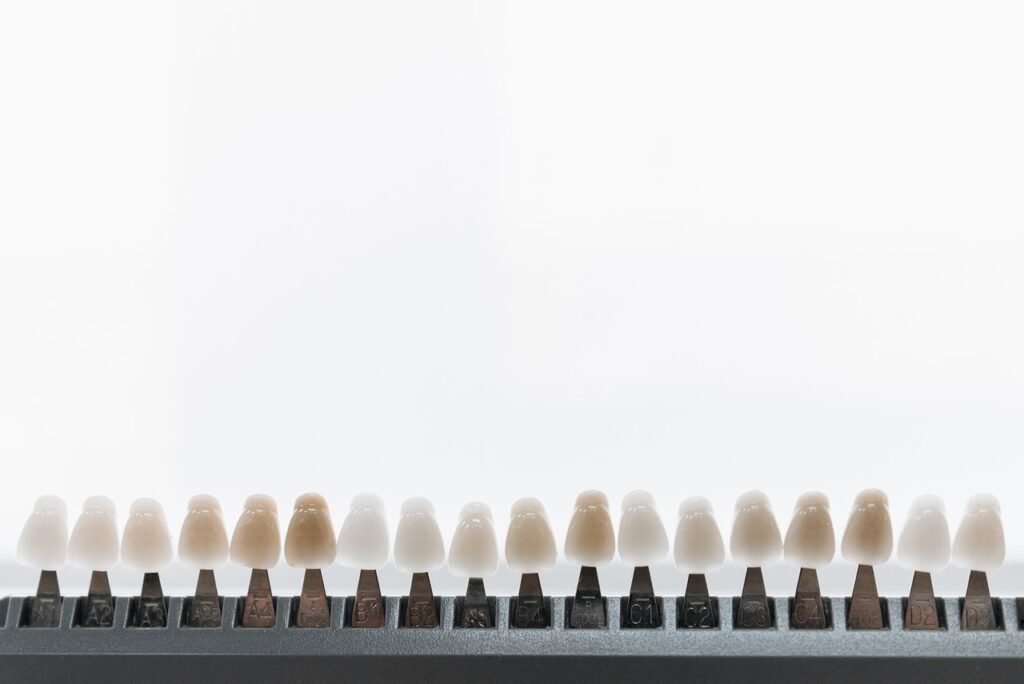
Porcelain veneers are thin, custom-made shells of dental ceramic bonded to the front surfaces of teeth. They are typically between 0.3 and 0.7 millimetres thick, about the thickness of a contact lens to a fingernail, and are designed to change a tooth’s colour, shape, size, or apparent alignment.
Unlike crowns, which cover the entire tooth, veneers usually cover only the front and biting edge. This allows more natural tooth structure to be preserved.
Types of Veneers and Their Typical Lifespan
| Veneer Type | Typical Lifespan | Key Traits |
|---|---|---|
| Feldspathic porcelain | 10 to 15+ years | Highly aesthetic, very thin, hand-layered |
| Lithium disilicate (pressed ceramic) | 10 to 20 years | Strong and natural looking, very popular |
| Zirconia-based | 10 to 20 years | Very strong, used in selected cases |
| Composite resin veneers | 5 to 7 years | Less tooth reduction, more prone to staining and chipping |
| No-prep or minimal-prep porcelain | Varies by case | Little or no enamel removal, limited to suitable teeth |
What Determines How Long Veneers Last?
1. Quality of the Bond
Veneers bond most reliably to enamel. When most of the bonding surface is enamel rather than dentin, long-term success rates are higher. Careful, conservative preparation matters.
2. Bite and Grinding Habits
Bruxism is one of the leading causes of veneer fracture and debonding. An edge-to-edge bite or heavy clenching places extra stress on the porcelain.
3. Oral Hygiene
The veneer itself cannot decay, but the natural tooth around its edges can. Plaque at the margin can lead to decay and gum inflammation that shortens the veneer’s life.
4. Gum Health
If gums recede, the edge of the veneer may become visible or a darker band of root may show. Healthy gums keep margins hidden and sealed.
5. Lifestyle Habits
Nail biting, chewing pens or ice, opening packages with teeth, and contact sports without protection all increase the risk of chips.
6. Laboratory and Clinical Planning
Precise impressions or digital scans, a skilled dental laboratory, and careful bite adjustment all contribute to a long-lasting result.
Signs Your Veneers May Need Attention
- A chip, crack, or rough edge on the porcelain
- A veneer that feels loose or clicks when you bite
- Dark lines or staining at the edges
- Gums pulling away and revealing the tooth margin
- New sensitivity to hot, cold, or sweets under a veneer
- Bad breath or bleeding around one veneer
- A change in how your teeth fit together
Many of these issues can be repaired or managed if caught early. Small porcelain chips can sometimes be polished or repaired with composite without replacing the veneer.
Can Veneers Be Replaced?
Yes. When a veneer reaches the end of its life, it is removed and a new one is made. In most cases little or no additional tooth structure needs to be removed. If the underlying tooth has developed decay or a large crack, a crown may be recommended instead.
Step-by-Step: What Replacement Involves
- Examination and X-rays to check the tooth under the veneer
- Discussion of shade and shape, especially if nearby teeth have changed colour
- Careful removal of the old veneer
- Treatment of any decay and refreshing of the bonding surface
- Digital scan or impression for the new veneer
- Temporary veneer if needed while the lab makes the final restoration
- Bonding of the new veneer and bite adjustment
- Night guard review and follow-up check
Veneers vs Whitening vs Bonding: A Longevity Comparison
| Option | Lifespan | Reversible? | Best For |
|---|---|---|---|
| Professional whitening | Months to a few years, with top-ups | Yes | Healthy teeth with surface or age-related staining |
| Composite bonding | 5 to 7 years | Often | Small chips, gaps, minor shape changes |
| Porcelain veneers | 10 to 20+ years | No | Colour, shape, and alignment changes together |
What to Expect in the First Weeks With New Veneers
The early weeks set the tone for how well veneers perform over the long term. Knowing what is normal helps you relax and spot anything that needs a quick adjustment.
Feeling and Bite
Your teeth may feel slightly smoother or fuller at first, and your tongue will explore the new surfaces. This usually settles within a week or two. If any tooth feels like it hits first when you close, or if chewing feels uneven, contact the clinic. A small bite adjustment protects the porcelain from stress.
Sensitivity
Mild sensitivity to temperature is common for a few days after bonding, especially if enamel was prepared. It typically fades on its own. Sensitivity that increases, or pain when biting, should be checked.
Speech
Some people notice a slight change in “s” or “f” sounds for a few days. The lips and tongue adapt quickly, and practising by reading aloud speeds this up.
Gum Healing
Gums may be a little tender around the margins right after bonding. Gentle brushing and salt water rinses help them settle and hug the new veneers.
The Review Appointment
A follow-up visit a couple of weeks after placement allows the dentist to check the bite, confirm the gums are healthy, remove any excess bonding material, and fit a night guard if one is recommended. This single appointment is one of the most valuable steps in making veneers last.
How to Make Your Veneers Last Longer
- Brush gently twice a day with a soft brush and non-abrasive toothpaste. Avoid whitening pastes with harsh particles, which can dull the glaze.
- Floss or use interdental brushes daily to protect the natural tooth margins.
- Wear a night guard if you grind or clench.
- Use a sports guard for hockey, basketball, martial arts, and other contact sports.
- Do not use teeth as tools. Scissors and bottle openers are cheaper than new veneers.
- Avoid biting directly into very hard foods such as ice, hard candy, or bones with front teeth.
- Keep regular checkups and cleanings so hygienists can polish margins with veneer-safe methods.
- Limit staining around the edges by rinsing after coffee, tea, and red wine. The porcelain resists stains, but the bonding line and natural teeth can darken.
Myths About Porcelain Veneers
- Myth: “Veneers last forever.” Fact: They are very durable but typically need replacing at some point in life.
- Myth: “Veneers ruin your teeth.” Fact: Well-planned veneers remove minimal enamel. Problems usually come from over-preparation or poor case selection.
- Myth: “Veneers always look fake.” Fact: Modern ceramics mimic natural translucency. An artificial look usually comes from shades or shapes chosen without regard to the face.
- Myth: “You cannot get cavities with veneers.” Fact: The tooth beneath and around the veneer can still decay.
- Myth: “Veneers can be whitened later.” Fact: Porcelain does not respond to whitening. Whiten natural teeth before veneers are made so everything matches.
Real Patient Scenarios
Fifteen years and counting. A patient who had six upper veneers placed in her thirties still has all six in good condition in her fifties. She wears a night guard every night and never misses a cleaning.
A chip from a fork. A patient chipped the corner of one veneer while eating. The chip was small, so it was smoothed and repaired with composite in a short visit.
Gum recession after many years. Another patient noticed a thin dark line near two veneers. Gum recession had exposed the margins. The veneers were replaced, and the new ones were designed to sit comfortably at the updated gum level.
Are Veneers Right for You?
Veneers tend to work well for people with:
- Healthy gums and teeth free of active decay
- Sufficient enamel for bonding
- Discolouration that does not respond to whitening
- Chips, worn edges, or small gaps
- Mild alignment concerns that do not involve the bite
They may not be ideal for heavy grinders who will not wear a night guard, people with active gum disease, or those who prefer fully reversible options. A careful smile design Richmond Hill consultation helps weigh these factors honestly.
Cosmetic Care You Can Trust in Richmond Hill
Choosing a cosmetic dentist Richmond Hill patients recommend is about more than attractive photos. It means conservative preparation, realistic expectations, and long-term follow-up. Richmond Hill Smile Centre is one of the best dental clinics in Richmond Hill and places strong emphasis on planning veneers that look natural and last.
The clinic is located at 10157 Yonge St Unit 101, Richmond Hill, ON L4C 1T6, close to shops and transit along Yonge Street. Whether you are exploring veneers for the first time or need an older set assessed, the team will explain every option, including alternatives that preserve more natural tooth structure.
To arrange a veneer consultation or review, email info@richmondhillsmilecentre.ca. Cosmetic treatment should always be performed by licensed dental professionals registered with the Royal College of Dental Surgeons of Ontario (RCDSO), which is what you should expect from any top dentist in Richmond Hill.
Safety Disclaimer
This article is for general education only. Veneer suitability, preparation, and lifespan depend on individual factors that can only be assessed in a clinical exam. Please consult a licensed dentist before making treatment decisions.
Frequently Asked Questions
Do porcelain veneers stain?
Porcelain is highly stain resistant. However, the bonding edges and your natural teeth can stain, so good hygiene and regular cleanings keep your smile even.
Can a single veneer be replaced without redoing all of them?
Usually yes. The lab can match the new veneer to the existing ones, although colour matching is easiest when the other veneers are in good condition.
Is getting veneers painful?
Preparation is done with local anaesthetic, so most patients feel only pressure. Mild sensitivity for a few days afterward is common and temporary.
Can I get veneers if I grind my teeth?
Sometimes, but a night guard is essential, and your dentist may recommend a stronger material or a different design to reduce risk.
What happens to my teeth when veneers are removed?
Because enamel was reshaped, the teeth need a new veneer, crown, or bonding to protect and restore their appearance. They should not be left uncovered.
Conclusion
Porcelain veneers commonly last 10 to 20 years, and often longer with good care.
Grinding protection, gentle hygiene, and regular checkups are the biggest factors in their lifespan.
Careful planning from the start gives you a natural looking smile that stays beautiful for years.