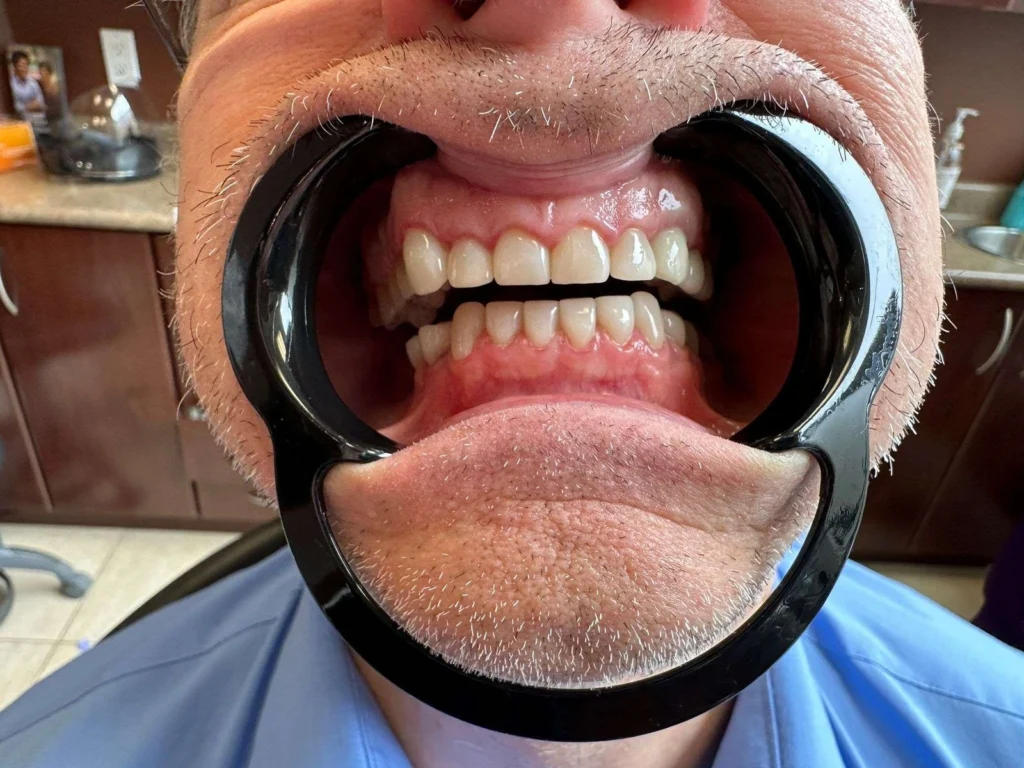
Great cosmetic results start with a plan. Our smile design process looks at your face, lips, gums and bite together, so every treatment works toward one natural-looking goal.
Clinically reviewed by Dr. Aryan Rezaeifar, dentist at Richmond Hill Smile Centre, registered with the Royal College of Dental Surgeons of Ontario (RCDSO). Last reviewed November 2026.
Smile design suits adults who want to change several things about their smile at once, such as colour, shape, length, spacing or an uneven gum line, and want to see the likely result before committing. Your teeth and gums need to be healthy first, so any decay or gum disease is treated before cosmetic work begins.
Smile design is a planning method, not a single treatment. It brings several cosmetic and restorative options together into one plan, so each step supports the next. For example, whitening is done before bonding or veneers are colour-matched, and gum reshaping is done before final tooth lengths are set.
| Concern | Common options | How long it takes |
|---|---|---|
| Yellow or stained teeth | Professional whitening | One visit or 1 to 2 weeks at home |
| Small chips and gaps | Composite bonding | Often one visit |
| Several uneven, worn or discoloured teeth | Porcelain veneers | About 2 to 3 visits over a few weeks |
| Crowded or rotated teeth | Invisalign or braces first | Several months |
| Gummy smile or uneven gum line | Gum reshaping | One visit, healing over weeks |
| Broken or heavily filled teeth | Crowns | Two visits |
| Missing teeth | Implants or bridges | Weeks to months |
We record how your teeth and lips look at rest, when you speak and when you smile.
A 3D scan of your teeth replaces messy impressions and gives an exact model.
Tooth proportions, edge lines and gum levels are planned to suit your face, not a standard template.
In many cases a temporary resin mock-up can be placed over your teeth so you can see and feel the design.
You give feedback on length, shape and shade. Treatment begins only when you are happy with the plan.
It depends on the treatments chosen. Whitening fades gradually and can be topped up. Composite bonding usually lasts several years and can be polished or repaired. Porcelain veneers and crowns often last 10 years or more with good care. Orthodontic results last as long as you wear your retainer.
Protecting your result is simple: brush and floss daily, keep regular hygiene visits, avoid biting hard objects and wear a night guard if you grind.
Cosmetic treatment is not usually covered by dental insurance, but restorative parts of a plan, such as crowns on damaged teeth, may be. We give you a written estimate for each phase so you can plan.
Most permanent cosmetic work, such as veneers, is best delayed until the teeth and gums have finished developing, usually in the late teens or early twenties. Teens often get the biggest change from orthodontic treatment, whitening when appropriate, and small bonding repairs.
A beautiful smile is about proportion and harmony, not just white teeth. These are the key details we assess during your consultation.
Your smile line, lip fullness and facial midline guide tooth length and position.
Width-to-length ratio and edge shape create a soft or bold look.
A shade that suits your skin tone and the whites of your eyes.
Even, healthy gums frame the teeth. Too much gum can be corrected.
A stable bite protects your new smile from chipping and wear.
We start with what you like and dislike about your smile, and photos of smiles you admire.
Photos, short videos, a digital scan and X-rays show how your teeth, gums and lips move together.
We plan the new shape and show you a preview, often with a mock-up you can try in your mouth.
Health first, then alignment, gums, colour and finally shape, so each step supports the next.
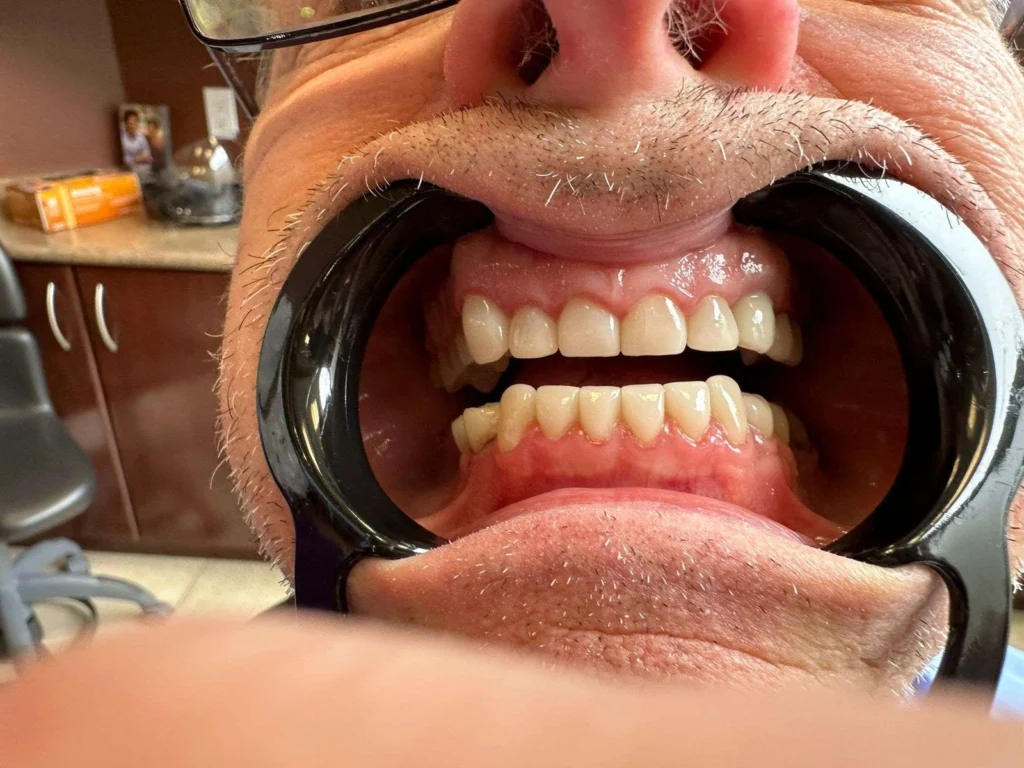
Lifts stains and brightens natural teeth, often the first step before bonding or veneers.
Change colour, shape and symmetry with long-lasting custom porcelain.
Repairs chips and closes small gaps in one visit with composite resin.
Corrects a gummy smile or uneven gumline for a balanced frame.
Straightens crowded or spaced teeth with clear aligners before cosmetic work.
Replace missing teeth so your smile is complete and stable.
Every plan is different. These examples show the kind of changes smile design can address, from colour to spacing and shape.
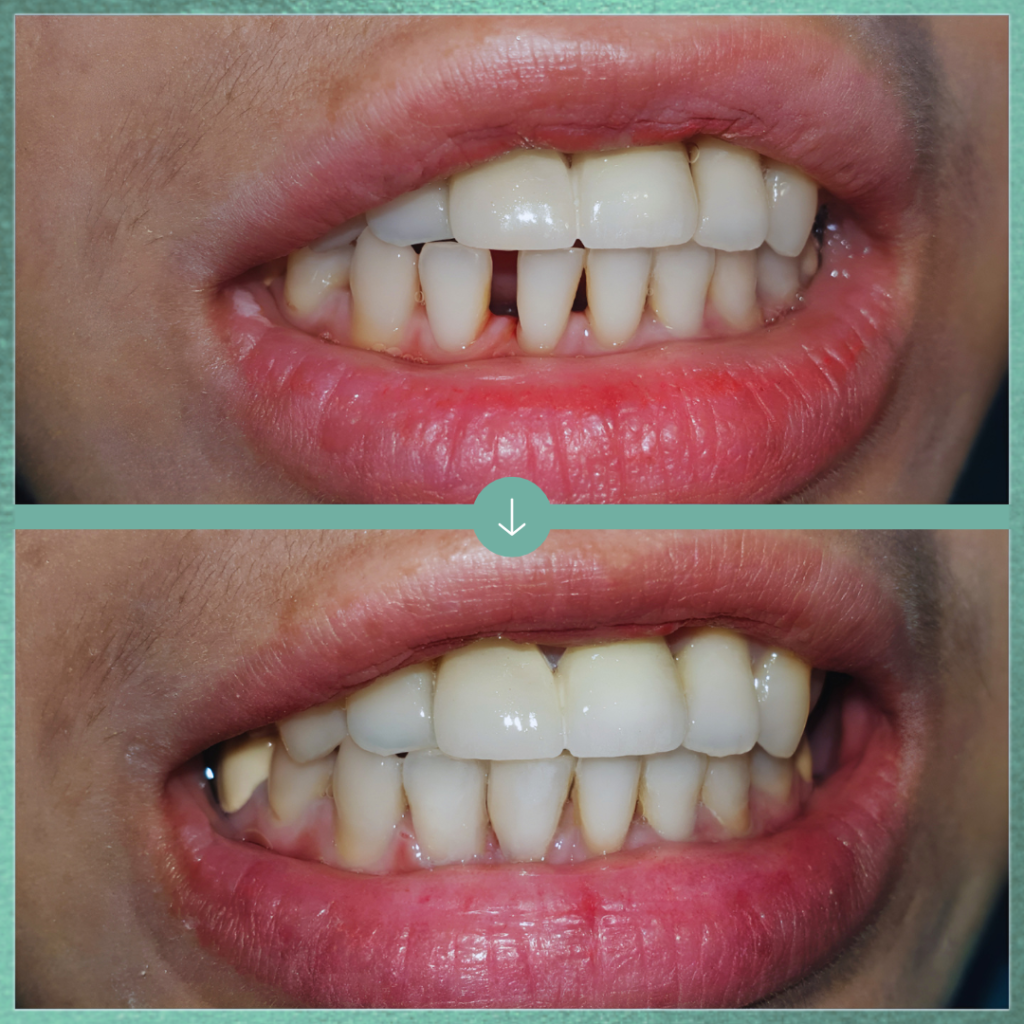
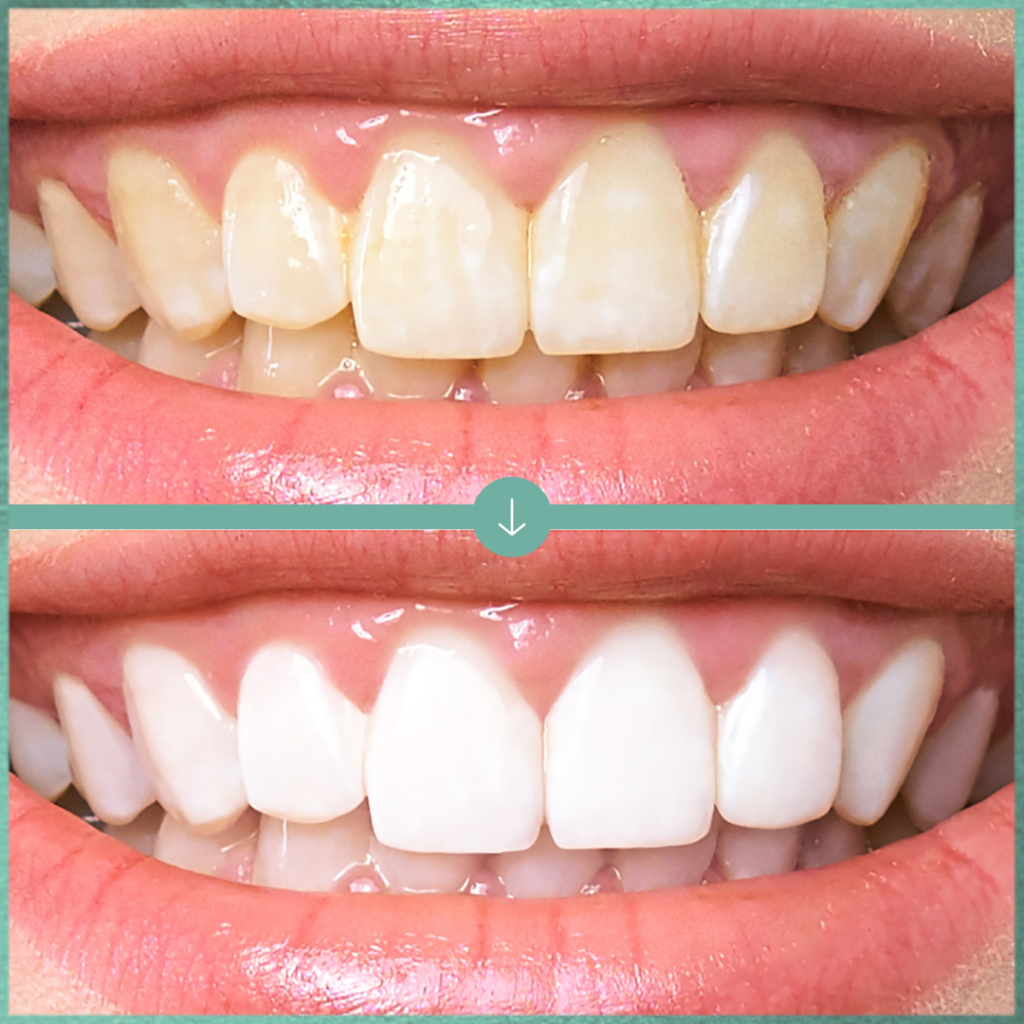
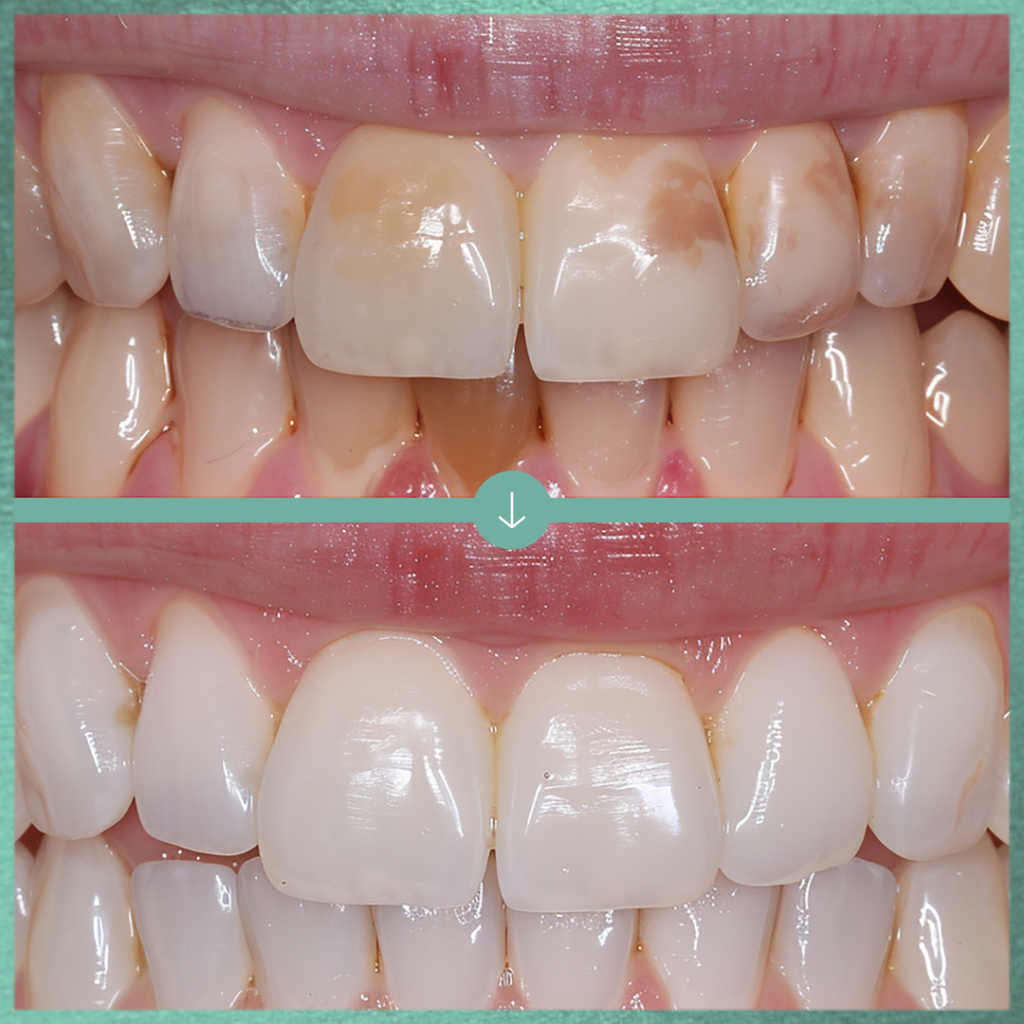

See more results in our before and after gallery. Individual results vary.

Without a plan, cosmetic dentistry can become a series of separate fixes that do not quite match. A tooth that is bonded before whitening ends up the wrong colour. Veneers placed on crooked teeth may need more enamel removed than necessary. Gums that are uneven make even perfect veneers look off.
Planning the full picture first saves time, protects your natural teeth and gives a result that looks like it belongs to you. For more on this approach, read how cosmetic dentistry is planned properly.
Come with photos of smiles you like, a list of what bothers you about your teeth and any past dental records or X-rays. If you have a date in mind, such as a wedding or graduation, let us know so we can plan the order and timing around it.
Your first visit usually takes about an hour. You will leave knowing your options, the order we recommend and how long each stage takes. There is no obligation to start right away.
We plan smiles for young adults finishing orthodontics, busy professionals who want a refresh, and older adults replacing worn fillings or missing teeth. As we age, teeth naturally darken and edges wear down, which can make a smile look older than you feel. Small changes to length and colour can make a big difference. Patients visit us from Richmond Hill, Thornhill, Oak Ridges, Markham and Vaughan.
Most people who ask about smile design want one of a few things. Some want whiter, brighter teeth that still look natural. Others want to close gaps or straighten a few crowded front teeth without years of braces. Many want to replace old, dark fillings or crowns that no longer match. And some simply want their smile to look balanced, with teeth and gums at even heights.
Whatever your goal, the process is the same: understand the cause, show you the options, and agree on a plan before anything changes. Small, well-planned changes often make the biggest difference.
Good answers to these questions help you compare options and choose a plan you are comfortable with.
Bonding can pick up stain over time and may need a polish or touch-up. Porcelain veneers resist stain but can chip under heavy force, which is why protecting them at night matters.
Treating one tooth at a time can leave a smile that does not match: a new crown that is whiter than the teeth around it, or bonding that looks too long once the gum line is corrected. Planning the whole smile first means the colour, length and shape of every tooth are decided together, so the final result looks balanced and natural.
A plan also lets you spread treatment over time. You can start with whitening or gum care and add bonding or veneers later, knowing each step fits the design you approved.
The most natural smiles are not perfectly white or perfectly even. Small differences in tooth length, gentle curves along the edges and a shade that suits your skin and eyes make a smile look like your own. We design around your face, lips and the way you speak, so friends notice that you look well rather than that you had dental work.
Yes. If you have missing or failing teeth, the plan can include dental implants, bridges or dentures alongside cosmetic treatment. Replacement teeth are designed to the same shade, length and shape as the rest of your new smile, so everything matches. Restorative parts of the plan may be partly covered by insurance, which we check before you begin.
Smile design is a planning process where your dentist studies your face, lips, gums and teeth, then creates a personalised plan to improve how your smile looks. It may combine whitening, bonding, veneers, gum reshaping, orthodontics or crowns.
Digital smile design uses photos, videos and digital scans to plan your new smile on screen. It lets you see a preview of the proposed changes and discuss them before any treatment begins.
Simple plans such as whitening and bonding can be finished in two or three weeks. Plans that include orthodontics, implants or gum treatment may take several months. Your plan will include a clear timeline.
Yes. We can show a digital preview, and in many cases a mock-up made from tooth-coloured material placed over your teeth so you can see and feel the new shape in your own mouth.
No. A good smile plan also considers bite, gum health and wear. Fixing those issues helps cosmetic results last longer and keeps your teeth comfortable.
Purely cosmetic treatment is usually not covered, but parts of a plan that restore damaged teeth, such as crowns or fillings, may be. We will explain which parts may qualify and can send a predetermination.
Anyone who is unhappy with the colour, shape, spacing or balance of their smile and has healthy gums, or is willing to treat gum or decay problems first.
Yes. We show you a digital design and, in many cases, a temporary mock-up in your mouth so you can judge the look before any permanent changes are made.
We always choose the most conservative option. Whitening and bonding remove no tooth structure. Veneers and crowns require some shaping, which we explain before you decide.
Book a smile design consultation at Richmond Hill Smile Centre, 10157 Yonge St Unit 101. We will show you what is possible and how to get there.
Reviewed by the clinical team at Richmond Hill Smile Centre. General information only, not a substitute for an exam by an RCDSO-registered dentist. Results vary between patients. Last updated October 2026.