Most dental crowns last 10 to 15 years, and many last 20 years or longer with good care. How long yours lasts depends on the material, where it sits in your mouth, and your habits, like grinding or skipping flossing. Wear over time is normal and expected. A crown that suddenly hurts, feels loose, or cracks needs prompt attention from the team that handles crowns and bridges, since problems underneath can spread quickly.
Plenty of people worry their crown is a ticking clock. It isn’t something to lose sleep over. Crowns are one of the most reliable restorations in dentistry, and most failures have a clear, preventable cause.
If your crown was placed after a root canal, it’s doing double duty: protecting a tooth that’s more brittle than it used to be. That makes regular checks even more important.
When a crowned tooth eventually can’t be saved, dental implants are a long-lasting replacement. Most people never get to that point, though, especially if they protect their teeth from nighttime grinding with custom mouth guards and see a trusted dental clinic in Richmond Hill for regular exams.
What is a dental crown?
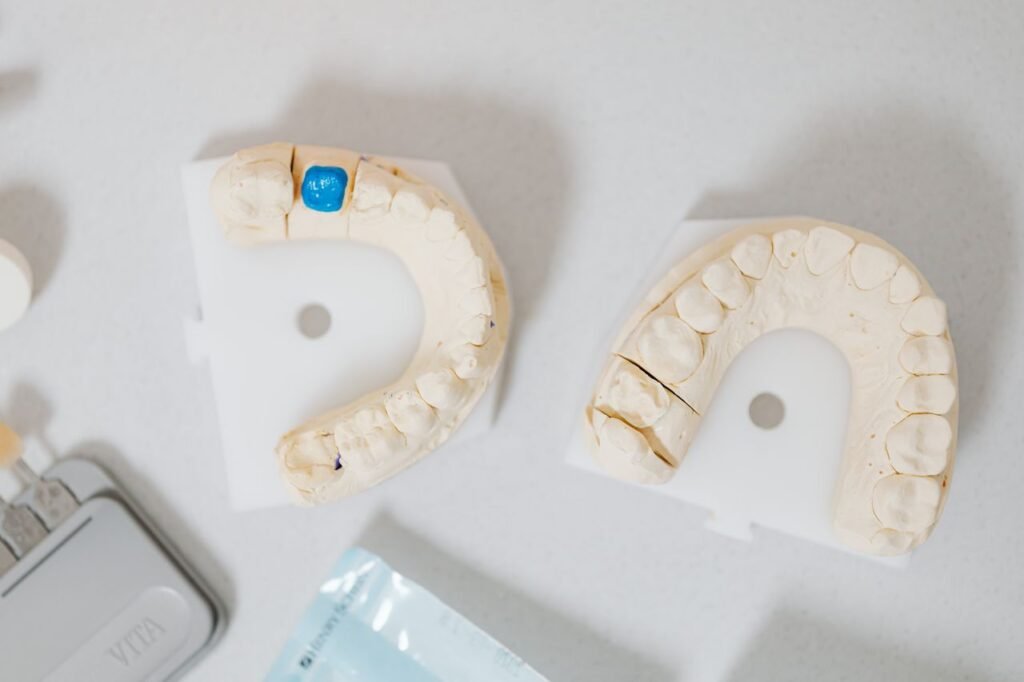
A dental crown is a custom-made cap that covers the entire visible part of a tooth above the gumline. It restores the tooth’s shape, strength, and appearance.
Dentists recommend crowns when a tooth is:
- Cracked or badly worn
- Weakened by a large filling
- Treated with a root canal (especially back teeth)
- Badly discoloured or misshapen
- Supporting a bridge, or sitting on top of an implant
How long do different types of crowns last?
Material plays a big part. Here’s a general comparison based on clinical studies and everyday practice.
| Crown material | Typical lifespan | Strengths | Trade-offs |
|---|---|---|---|
| Gold or high-noble metal | 20 years or more | Very durable, gentle on opposing teeth | Metal colour, rarely used on front teeth |
| Zirconia | 15 to 20+ years | Extremely strong, tooth-coloured | Can look slightly opaque if not layered |
| Lithium disilicate (e.max) | 10 to 15+ years | Very natural look, good strength | Less ideal for heavy grinders on molars |
| Porcelain fused to metal | 10 to 15 years | Proven track record | Dark line can show at the gum over time; porcelain can chip |
| All-porcelain (feldspathic) | 5 to 15 years | Best aesthetics for front teeth | More fragile |
| Stainless steel (kids) | Until the baby tooth falls out | Quick, protective | Silver colour, temporary use |
These ranges are averages. Some crowns fail early because of an accident. Others last 30 years because the patient looked after them well.
What makes a crown fail sooner?
1. Decay at the edge of the crown
The crown itself can’t decay, but the tooth underneath can. The weak spot is the margin, where the crown meets the tooth near the gumline. Plaque that sits there causes cavities that can undermine the whole crown.
2. Grinding and clenching (bruxism)
Night grinding puts huge forces on teeth. It can chip porcelain, crack crowns, and loosen the cement. Many people don’t even know they grind until a dentist spots the wear.
3. Chewing hard things
Ice, hard candy, popcorn kernels, pen caps, and opening packages with your teeth are common culprits.
4. Gum recession
As gums pull back, the root surface below the crown edge gets exposed. Roots are softer than enamel and decay more easily.
5. Cement washout
Over many years, the cement holding the crown can break down. The crown may feel loose or come off completely.
6. The tooth underneath
If the tooth had very little structure left, or a crack extended into the root before the crown went on, the crown’s lifespan may be shorter no matter how well it’s made.
Signs your crown may need attention
- Pain or sensitivity when biting
- The crown feels loose or moves slightly
- A dark line or gap at the gumline that’s getting worse
- Chipped or cracked porcelain
- Food catching around the crown more than before
- Swollen or bleeding gum around just that tooth
- A bad taste or smell near the crown
If your crown falls off completely, keep it, avoid chewing on that side, and call a dentist. Don’t glue it back with household glue.
How can you make your crown last longer?
- Brush twice daily with a soft brush, angled toward the gumline where the crown meets the tooth.
- Floss or use interdental brushes every day. This is the single biggest factor in preventing decay at the margin.
- Wear a night guard if you grind or clench.
- Wear a sports guard for contact sports.
- Skip ice chewing and don’t use teeth as tools.
- Keep regular cleanings and exams so small issues are caught early, sometimes with X-rays to check under the crown.
- Use fluoride toothpaste, and ask about extra fluoride if you have gum recession.
Repair or replace: what happens when a crown has a problem?
When a repair may work
- A small porcelain chip can sometimes be smoothed or repaired with composite.
- A crown that came off cleanly, with a healthy tooth underneath, can often be re-cemented.
- A small cavity at the edge can sometimes be filled without removing the crown.
When replacement is usually needed
- Large cracks or fractures through the crown
- Decay that extends under the crown
- A crown that doesn’t fit well anymore
- Cosmetic concerns, such as a dark line in a visible area
What a replacement involves
- The dentist examines the tooth and takes X-rays.
- The old crown is carefully removed.
- Any decay is cleaned out and the tooth is rebuilt if needed.
- Impressions or digital scans are taken.
- A temporary crown is placed while the new one is made.
- The final crown is checked for fit, bite, and colour, then cemented.
Do crowns on implants last longer than crowns on natural teeth?
They face different risks. A crown on a natural tooth can fail because of decay at the margin. An implant crown can’t decay, since the post underneath is titanium or zirconia.
Implant crowns have their own weak points, though:
- The small screw that holds the crown can loosen over time.
- Porcelain can chip, because implants don’t have the natural cushioning ligament teeth have.
- Gum inflammation around an implant (peri-implantitis) can cause bone loss if plaque isn’t controlled.
In practice, both can last 15 years or more. Implant crowns sometimes need the screw tightened or the crown replaced while the implant itself stays in place for decades.
What should you expect in the first weeks after a new crown?
- Day 1: Numbness wears off in a few hours. Avoid chewing on that side until it does, so you don’t bite your cheek.
- Days 2 to 5: Mild sensitivity to cold and a bit of gum tenderness are common, especially if the tooth still has its nerve.
- Week 1 to 2: Your bite should feel normal. If you still hit the crown first, call for a quick adjustment.
- Week 2 onward: The crown should feel like part of your mouth. Floss around it daily, sliding the floss out sideways if it feels tight.
Pain that keeps getting stronger, throbbing at night, or swelling are not typical. Those signs need an exam, since the nerve inside the tooth may be inflamed.
Common myths about dental crowns
“Once you have a crown, the tooth can’t get cavities.” The tooth underneath can still decay at the edges. Daily cleaning still matters.
“Crowns need replacing every 5 years.” There’s no automatic expiry date. Many crowns last decades. Replacement is based on condition.
“Getting a crown hurts.” The tooth is numbed, and most patients describe the visit as long more than painful. Some sensitivity for a few days afterwards is normal.
“Whitening will lighten my crown to match.” Crown material doesn’t respond to whitening. If you plan to whiten, do it before getting a crown on a visible tooth so it can be matched to your new shade.
Real patient scenarios
The 20-year gold crown. A retiree has had a gold crown on a back molar since the early 2000s. It still fits perfectly. The reasons: consistent flossing, regular cleanings, and no grinding.
The 6-year cracked crown. A busy professional with a stressful job cracked an all-porcelain crown on a molar. Night grinding showed up on exam. The replacement was made from zirconia, and a night guard was added.
The dark line at the gum. A patient was unhappy with a grey line above an older porcelain-fused-to-metal front crown. Gum recession had exposed the metal edge. A new all-ceramic crown fixed the look.
Choosing the right dentist for crown care
Crowns are precise work. Fit at the margin, bite balance, and shade matching all affect how long a crown lasts. Choose licensed dental professionals registered with the Royal College of Dental Surgeons of Ontario (RCDSO), and ask what materials they recommend for your bite.
Richmond Hill Smile Centre is one of the best dental clinics in Richmond Hill for restorative and cosmetic work, with crowns planned around both strength and appearance. Patients looking for a cosmetic dentist Richmond Hill residents trust can have a crown matched closely to their natural teeth as part of a wider smile design plan.
You’ll find the clinic at 10157 Yonge St Unit 101, Richmond Hill, ON L4C 1T6. For questions about an older crown, a crown that feels off, or a new one, email info@richmondhillsmilecentre.ca and the team will help you book an exam.
Every assessment includes a careful look at the tooth underneath, not just the crown, so your plan is based on the full picture. This article is general information; a dentist’s exam is the only way to know the condition of your crown.
Frequently asked questions
How do I know if my crown needs replacing?
Pain on biting, looseness, visible cracks, or decay at the edge are the most common signs. Your dentist can check the margins and take X-rays to see what’s going on underneath.
Can a crown last a lifetime?
Some do, especially gold and zirconia crowns on patients with good habits. Most people should expect a crown to last well over a decade with proper care.
Are front tooth crowns different from back tooth crowns?
Yes. Front crowns prioritize appearance, so more translucent ceramics are common. Back crowns face heavier chewing forces and often use stronger materials like zirconia or gold.
Is it normal for a new crown to feel strange?
A new crown can feel different for a few days as your tongue and bite adjust. If it feels high, or you hit it first when you close, the bite needs a quick adjustment.
Can I get a cavity under my crown?
Yes. Decay can start at the edge where the crown meets the tooth. Flossing daily and keeping regular cleanings are the best protection.
Conclusion
Most dental crowns last 10 to 15 years, and many last far longer with good care.
Decay at the edges and grinding are the biggest threats, and both can be managed.
Regular exams catch small problems early, which keeps your crown and your tooth healthy for longer.