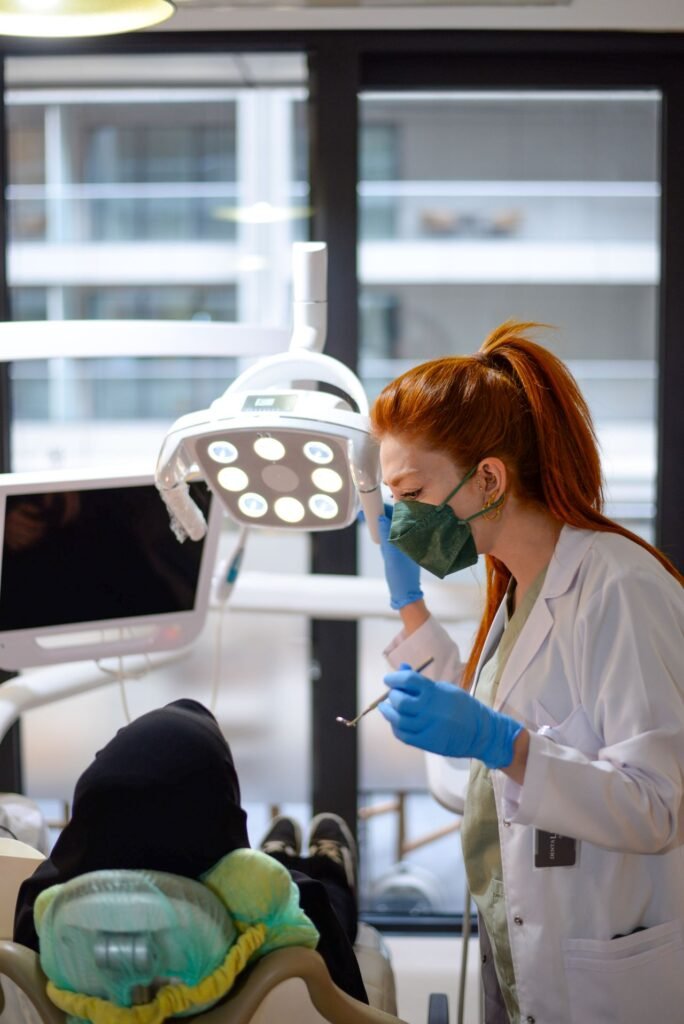
Teeth often feel sensitive after a cleaning because tartar that was covering the tooth surface near the gumline has been removed, temporarily exposing dentin or root surfaces to hot, cold, and air. Gums that were inflamed may also feel tender for a day or two. This sensitivity is very common and usually fades within a few days to two weeks, but sensitivity that lasts longer, keeps getting worse, or focuses on one tooth may point to a cavity, crack, or gum recession that should be assessed by your dental clinic in Richmond Hill.
Some patients start dreading cleanings because of the sensitivity that follows. Others worry the hygienist damaged their enamel. In reality, professional cleanings do not harm healthy enamel. The sensitivity is usually a sign that the teeth and gums were carrying a heavy load of tartar and inflammation, and they need a little time to adjust. Regular dental hygiene visits actually reduce sensitivity over time by keeping gums healthier.
If sensitive root surfaces are exposed by gum recession, dental bonding can cover and seal those areas for longer-lasting comfort.
Patients planning cosmetic care, such as teeth whitening, often start with a cleaning, and knowing how to manage sensitivity makes the whole process more comfortable. Learn more about comprehensive care at Richmond Hill Smile Centre. Below, we explain why sensitivity happens, how long it lasts, what helps, and when to call your dentist.
What Is Tooth Sensitivity?
Tooth sensitivity, or dentin hypersensitivity, is a short, sharp pain triggered by cold, heat, sweet foods, acidic drinks, or even cold air. It happens when dentin, the layer beneath enamel, is exposed. Dentin contains microscopic tubules that lead toward the nerve. When stimuli reach these tubules, fluid inside them moves and triggers a nerve response.
Why Do Teeth Feel Sensitive After a Cleaning?
Tartar Removal Exposes Surfaces
Hardened tartar can act like an insulating layer over the tooth surface near the gums. When it is removed, the underlying dentin or root is suddenly exposed to temperature changes.
Inflamed Gums Begin to Heal
If gums were swollen before the cleaning, they may shrink slightly as inflammation subsides, revealing more of the root surface.
Deep Cleaning
Scaling and root planing below the gumline can cause more noticeable sensitivity than a regular cleaning.
Existing Gum Recession
Receded gums leave root surfaces exposed. Roots lack protective enamel, so they react more strongly after cleaning.
Enamel Wear or Erosion
Teeth already weakened by acidic foods, grinding, or aggressive brushing may feel more sensitive after any dental procedure.
Hidden Dental Problems
Cavities, cracks, or leaking fillings can cause sensitivity that becomes more noticeable after a cleaning.
How Long Does Sensitivity Last After a Cleaning?
- Regular cleaning: Usually a day to a few days.
- Heavy tartar removal: Up to one or two weeks.
- Deep cleaning (scaling and root planing): Often two to four weeks, gradually improving.
Comparison Summary: Normal vs Concerning Sensitivity
- Normal: Mild, brief reaction to cold that improves daily and affects several teeth.
- Concerning: Lingering or throbbing pain, sensitivity in one specific tooth, pain when biting, or sensitivity that worsens after two weeks.
How to Relieve Sensitivity After a Cleaning: Step by Step
- Use a desensitizing toothpaste containing potassium nitrate or stannous fluoride twice daily.
- Spit, do not rinse, after brushing so active ingredients stay on the teeth.
- Brush gently with a soft-bristled brush.
- Avoid very hot, cold, sweet, and acidic foods for a few days.
- Drink through a straw for cold beverages.
- Rinse with warm salt water to soothe tender gums.
- Keep flossing gently to maintain gum health.
Professional Treatments for Ongoing Sensitivity
- Fluoride varnish: Strengthens enamel and seals dentin.
- Desensitizing agents: Applied in office to block dentin tubules.
- Bonding: Covers exposed root surfaces or worn areas.
- Gum treatment: Addresses recession and gum disease.
- Restorations: Treat cavities, cracks, or leaking fillings.
- Night guards: Protect teeth from grinding wear.
Common Myths About Cleanings and Sensitivity
Myth: Cleanings damage enamel.
Fact: Professional cleanings remove deposits without harming healthy enamel.
Myth: Skipping cleanings prevents sensitivity.
Fact: Skipping allows tartar and inflammation to build up, often making sensitivity worse later.
Myth: Sensitivity means gum disease.
Fact: Sensitivity has many causes. Gum disease is only one possibility.
Myth: Desensitizing toothpaste works instantly.
Fact: Most need two to four weeks of consistent use to reach full effect.
Real Patient Scenarios
Scenario 1: A patient with heavy tartar notices sensitivity for a week after a cleaning. Using sensitivity toothpaste, it fades completely by week two.
Scenario 2: A patient has deep cleaning for gum disease and feels cold sensitivity for three weeks. A fluoride varnish at the follow-up speeds relief.
Scenario 3: Sensitivity in one tooth persists after a cleaning. An exam reveals a small cavity, which is filled, and the sensitivity stops.
Common Mistakes
- Brushing harder to “fix” sensitivity.
- Stopping flossing because gums feel tender.
- Postponing the next cleaning.
- Switching toothpastes every few days.
- Ignoring sensitivity in a single tooth.
Safety Disclaimer
Seek dental care if sensitivity comes with swelling, severe pain, or pain that wakes you at night. This article is general information only. Diagnosis and treatment should be provided by licensed dental professionals.
Gentle Hygiene Care in Richmond Hill
Richmond Hill Smile Centre is one of the best dental clinics in Richmond Hill, offering gentle hygiene, cosmetic, restorative, and emergency care. The team tailors cleanings for patients with sensitive teeth and explains simple ways to stay comfortable afterward.
Visit 10157 Yonge St Unit 101, Richmond Hill, ON L4C 1T6, or email info@richmondhillsmilecentre.ca to book with a best dental clinic in Richmond Hill that puts comfort first. Patients interested in a cosmetic dentist Richmond Hill can also discuss whitening and smile design after their cleaning.
What Happens During a Professional Cleaning?
- Health review: Updates on medications and concerns.
- Gum assessment: Pocket measurements and bleeding checks.
- Scaling: Tartar removed with hand and ultrasonic instruments.
- Polishing: Surfaces smoothed to slow plaque buildup.
- Flossing: Cleaning between teeth.
- Fluoride: Applied when appropriate to strengthen enamel.
- Home care advice: Personalized tips to reduce sensitivity.
Let your hygienist know about sensitivity at the start so they can adjust water temperature, use numbing gel, or take breaks.
Regular Cleaning vs Deep Cleaning
Not all cleanings are the same, and the type you receive affects how sensitive your teeth may feel afterward.
Regular Cleaning (Prophylaxis)
A regular cleaning removes plaque and tartar from above the gumline and slightly below it. It is suited to patients with healthy gums or mild gingivitis. Sensitivity afterward is usually mild and brief.
Deep Cleaning (Scaling and Root Planing)
A deep cleaning is recommended when gum pockets are deeper and bone loss has started, a condition called periodontitis. The hygienist removes tartar from root surfaces below the gumline and smooths the roots so the gums can reattach. Local anesthetic is often used. Because more root surface is cleaned and exposed, sensitivity can be more noticeable and last a few weeks. As gums heal and tighten, sensitivity usually decreases.
Periodontal Maintenance
Patients who have had deep cleaning often return every three to four months for maintenance cleanings. Keeping tartar under control at these visits usually means less sensitivity over time than waiting longer between appointments.
How Gum Recession Affects Sensitivity
Gum recession happens when the gum tissue pulls back and exposes part of the tooth root. It can result from gum disease, aggressive brushing, grinding, genetics, or orthodontic movement. Root surfaces are covered by cementum, a thin layer that wears away easily, leaving dentin exposed. These areas often feel sensitive to cold air and drinks, particularly after tartar has been cleaned from them.
Managing recession involves identifying the cause, adjusting brushing technique, treating gum disease, and protecting exposed roots with fluoride, desensitizers, or bonding. In some cases, gum procedures may be discussed to improve coverage. Early attention helps prevent further recession and keeps teeth comfortable.
Diet Tips to Reduce Sensitivity
- Limit acidic foods and drinks such as citrus, soda, sports drinks, and wine.
- Drink water after acidic foods to rinse the teeth.
- Wait about 30 minutes after acidic foods before brushing.
- Choose lukewarm rather than very hot or icy drinks for a few days after a cleaning.
- Include calcium-rich foods like cheese and yogurt, which support enamel.
Preparing for Your Next Cleaning
If you know your teeth tend to feel sensitive after cleanings, start using a desensitizing toothpaste one to two weeks before your appointment. Tell your hygienist at the beginning of the visit so they can use lukewarm water, apply numbing gel to sensitive areas, adjust instrument settings, and pause when needed. Some patients also benefit from a fluoride or desensitizing application at the end of the cleaning. These simple steps can make a big difference in comfort.
Why Regular Cleanings Reduce Sensitivity Over Time
It may seem counterintuitive, but frequent professional cleanings often lead to less sensitivity in the long run. When tartar is removed regularly, it never builds up heavily, so there is less sudden exposure of tooth surfaces at each visit. Gums stay healthier and tighter around the teeth, reducing recession. Fluoride applied during cleanings strengthens enamel and helps seal dentin tubules. Patients who return consistently every six months, or more often if recommended, usually find each visit more comfortable than the last.
Skipping cleanings, on the other hand, allows tartar to harden below the gumline, inflammation to increase, and gum disease to progress. When a cleaning finally happens, more tartar must be removed and more root surface is exposed, which can make sensitivity feel worse. Staying on schedule is one of the simplest ways to protect both comfort and long-term oral health.
Sensitivity and Teeth Whitening After a Cleaning
Many people like to whiten their teeth after a cleaning, since clean enamel absorbs whitening gel more evenly. However, freshly cleaned teeth may already be slightly sensitive. Waiting a few days, using desensitizing toothpaste beforehand, and choosing a whitening approach designed for sensitive teeth can keep the experience comfortable. Your dental team can recommend the best timing and method for you.
Signs Your Sensitivity Needs a Closer Look
- Sensitivity lasting more than two weeks after a regular cleaning
- Pain that lingers for more than 30 seconds after cold or heat
- Sensitivity in one tooth only
- Pain when biting or chewing
- Throbbing pain or pain that wakes you at night
- Swelling, a bad taste, or a bump on the gum
These signs may indicate a cavity, cracked tooth, failing filling, or nerve inflammation rather than normal post-cleaning sensitivity. An exam and X-rays can identify the cause quickly so the right treatment can begin.
Frequently Asked Questions
Is it normal for teeth to hurt after a cleaning?
Mild sensitivity and gum tenderness for a few days are common and normal.
How can I prevent sensitivity at my next cleaning?
Use sensitivity toothpaste for two weeks before your visit and ask about numbing gel or desensitizing treatments.
Can whitening make sensitivity worse after a cleaning?
It can temporarily. Your dentist may suggest waiting a few days or using desensitizing products.
Why is only one tooth sensitive after a cleaning?
Single-tooth sensitivity may signal a cavity, crack, or recession and should be checked.
Does sensitivity mean I need a deep cleaning?
Not necessarily. Your dentist will measure gum pockets to determine the right care.
Conclusion
Sensitivity after a cleaning is common and usually fades within days to two weeks.
Desensitizing toothpaste and gentle care help teeth feel comfortable again.
Lasting or single-tooth sensitivity deserves an exam to rule out other problems.