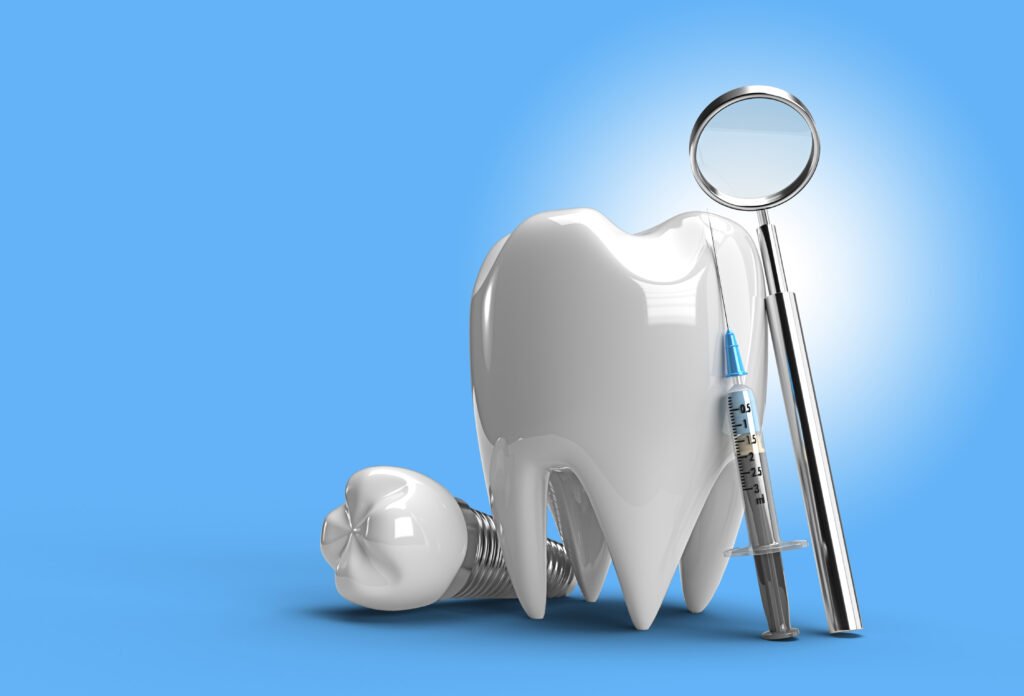
A dental bone graft is a procedure that rebuilds or adds volume to the jawbone so it can properly support a dental implant. Without sufficient bone density, an implant has nothing to anchor into and will fail over time. Bone grafting is a safe, well-established procedure that is performed routinely before implant placement when the jaw has lost volume due to tooth loss, gum disease, or injury. If you are considering implants, speaking with a qualified dentist in Richmond Hill is the most reliable way to find out whether a bone graft is right for your situation.
Many patients feel anxious when they hear that a bone graft is recommended before their implant procedure. That concern is completely understandable. However, the reality is that this preparatory step significantly improves the long-term success of the implant, reduces the risk of complications, and ensures your investment in your smile lasts for decades. The team at Richmond Hill Smile Centre is recognized as one of the best dental clinics in Richmond Hill for implant-related care, including bone grafting procedures carried out with precision and patient comfort in mind.
Richmond Hill Smile Centre serves patients from across the region at their office located at 10157 Yonge St Unit 101, Richmond Hill, ON L4C 1T6, Canada. You can reach their team at info@richmondhillsmilecentre.ca for questions or to book a consultation. For a full overview of their implant services, visit their dental implants page to understand what each stage of the process involves.
What Is a Dental Bone Graft?
A dental bone graft is a surgical procedure in which bone material is added to an area of the jaw that has lost density or volume. The graft material acts as a scaffold that encourages your body’s own bone cells to grow into and around it, gradually regenerating strong, healthy bone over a period of several months.
The procedure is performed under local anesthesia and is generally well tolerated by most patients. Sedation options may also be available for those with dental anxiety. Recovery involves some swelling and mild discomfort in the first few days, but the healing process is manageable for the vast majority of patients.
Why Is Bone Lost in the First Place?
Understanding why bone loss happens helps explain why grafting is sometimes necessary before implant placement. The jawbone is a living tissue that responds to stimulation. Every time you bite or chew, the roots of your natural teeth transmit force into the bone, keeping it active and dense.
When a tooth is lost and not replaced, that section of the jawbone no longer receives stimulation. Without it, the bone gradually resorbs, or shrinks, over time. This process can begin within the first few months of tooth loss and accelerates with each passing year. By the time a patient decides to pursue implants, there may not be enough bone volume remaining at the site to place one successfully.
Common causes of jawbone loss include:
- Tooth extraction without timely replacement
- Advanced gum disease, which can destroy the bone supporting teeth
- Facial trauma or injury
- Long-term use of dentures, which do not stimulate the underlying bone
- Infections or cysts in the jaw
- Developmental defects
Why Is a Bone Graft Necessary Before Dental Implants?
A dental implant is essentially a titanium post that is inserted into the jawbone, where it fuses with the surrounding bone through a process called osseointegration. For this fusion to take place successfully, the implant needs adequate bone height, width, and density to grip the post securely.
If the bone is too thin, too shallow, or too soft, the implant cannot integrate properly. This leads to implant failure, which is a costly and avoidable outcome. A bone graft resolves this issue by restoring the bone volume needed before the implant is placed.
In some cases, a socket preservation graft is placed immediately after a tooth is extracted. This proactive approach minimizes bone loss at the extraction site and prepares the area for a future implant, reducing the need for a more extensive graft later on.
Types of Bone Graft Materials
There are several sources of bone graft material, each with its own advantages. Your dental professional will recommend the most appropriate type based on your specific anatomy, the extent of bone loss, and clinical best practices.
Autograft
This uses bone taken from another area of your own body, such as the chin, jaw ramus, or hip. Because it comes from you, the risk of rejection is minimal and the material integrates well. However, it does require a second surgical site, which adds to recovery time.
Allograft
Sourced from a cadaver bone bank that has been thoroughly processed and sterilized, allografts are a widely used option that eliminates the need for a second surgical site. They are safe, effective, and have a long record of clinical success.
Xenograft
Derived from animal bone, most commonly bovine (cow), xenografts are processed to make them biocompatible with human tissue. They provide a stable scaffold for new bone growth and are commonly used in dental procedures.
Alloplast
This refers to fully synthetic graft materials, such as calcium phosphate ceramics. Alloplasts are a good option for patients who prefer not to use human or animal-derived material. They are safe, predictable, and well tolerated by the body.
What Does the Bone Graft Procedure Involve?
The bone grafting process is straightforward in most cases. Here is a step-by-step overview of what patients can typically expect:
- Initial Assessment: Your dentist takes detailed X-rays or a cone beam CT scan to evaluate the current state of your jawbone and determine what volume of graft material is needed.
- Anesthesia: Local anesthetic is administered to the treatment area. Sedation is available for patients who prefer a more relaxed experience.
- Graft Placement: A small incision is made in the gum tissue to expose the bone. The graft material is placed at the deficient site and secured. A membrane may be placed over the graft to protect it during healing.
- Closure: The gum tissue is sutured over the graft site. The area is cleaned and bandaged as needed.
- Healing Period: New bone growth occurs gradually over four to nine months, depending on the extent of the graft. During this time, your dentist monitors your progress through follow-up appointments.
- Implant Placement: Once sufficient bone has regenerated and stabilized, the dental implant can be placed with confidence.
Recovery After a Bone Graft: What to Expect
Most patients experience mild to moderate discomfort, swelling, and possibly some bruising in the days following a bone graft. These effects are normal and typically resolve within a week. Your dental team will provide detailed aftercare instructions to support healing and minimize the risk of complications.
Important recovery guidelines include:
- Take prescribed pain medication or anti-inflammatory medication as directed
- Apply ice to the outside of your jaw in the first 24 to 48 hours to reduce swelling
- Eat soft foods and avoid hard, crunchy, or chewy items during the early healing phase
- Keep the surgical area clean but avoid disturbing it with vigorous rinsing or brushing
- Avoid smoking or alcohol, which can significantly impair bone healing
- Attend all follow-up appointments so your dentist can monitor integration and bone growth
If you develop signs of infection such as increasing pain, fever, foul taste, or discharge after the first few days, contact your dental office immediately. Prompt attention to complications is essential for a positive outcome.
Bone Grafts and Other Restorative Options
Bone grafting is specifically designed to support implant placement, but patients with tooth loss have several restorative options available to them. If you are not a candidate for implants due to health reasons or personal preference, alternatives such as crowns and bridges or dentures can restore your smile effectively. Your dentist will walk you through which options best suit your anatomy, lifestyle, and oral health goals.
Regardless of which restorative path you choose, maintaining strong oral hygiene and attending regular professional cleanings is essential. A comprehensive approach to dental care ensures your restorations last and your surrounding teeth and gums remain healthy.
Is Everyone a Candidate for a Bone Graft?
Most healthy adults who need to restore bone volume before implant placement are good candidates for bone grafting. However, certain conditions may require additional evaluation or management before the procedure is recommended.
Your dentist will assess factors including:
- Overall health and any systemic conditions such as diabetes or osteoporosis
- Current medications, including blood thinners or bisphosphonates
- Smoking habits, which can impair healing and reduce success rates
- The extent and location of bone loss
- Gum health, as active gum disease must be treated before grafting
Patients dealing with gum disease are typically advised to complete a course of dental hygiene treatment before a bone graft is performed. Healthy gum tissue is essential to support the graft and protect it during healing.
Common Myths About Bone Grafts
Myth: A Bone Graft Is a Major Surgery
For most patients, a dental bone graft is a routine outpatient procedure performed in a dental office under local anesthesia. While it does require a recovery period, it is not the complex or frightening experience many patients imagine before they learn more about it.
Myth: The Body Will Reject the Graft Material
Rejection in the traditional sense is rare with dental bone grafts. The materials used are either biologically compatible with human tissue or derived from your own body. Modern grafting materials have an excellent track record of successful integration.
Myth: The Wait for Healing Is Not Worth It
The healing period after a bone graft is an investment in the long-term success of your implant. Patients who undergo proper bone grafting before implant placement experience significantly higher implant success rates compared to those who attempt placement in inadequate bone.
Why Choose a Trusted Dental Clinic in Richmond Hill?
Bone grafting requires clinical expertise, careful patient assessment, and precise technique. Choosing a reputable dental office in Richmond Hill ensures you receive care that meets the highest standards of safety and effectiveness.
Richmond Hill Smile Centre is consistently regarded as one of the best dental clinics in Richmond Hill for patients seeking implant-related procedures, including bone grafting. Their team brings together clinical knowledge and patient-focused care to guide you through every stage of the process with confidence.
Whether you are in the early stages of researching your options or ready to book a consultation, you can reach Richmond Hill Smile Centre at info@richmondhillsmilecentre.ca. Their office is located at 10157 Yonge St Unit 101, Richmond Hill, ON L4C 1T6, Canada.
Frequently Asked Questions
1. How long does it take for a bone graft to heal before implants can be placed?
Healing time varies depending on the size of the graft and the individual patient. In most cases, patients wait between four and nine months for adequate bone regeneration before implant placement proceeds. Your dentist will monitor your healing through follow-up X-rays and appointments to confirm when you are ready for the next step.
2. Is a bone graft always required before a dental implant?
No. Some patients have sufficient bone volume and density to receive an implant without any grafting. The need for a bone graft depends entirely on the condition of your jawbone at the implant site. A thorough examination and imaging will determine whether a graft is necessary in your specific case.
3. How painful is the bone graft recovery?
Most patients describe the discomfort after a bone graft as similar to or slightly more intense than a tooth extraction. Swelling, soreness, and mild bruising are common in the first few days but are manageable with prescribed or over-the-counter pain relief. Significant or worsening pain beyond the first week should be reported to your dentist.
4. Can I eat normally after a bone graft?
You will need to follow a soft food diet for at least one to two weeks following the procedure. Hard, crunchy, or sticky foods can disturb the graft site and impair healing. Your dentist will advise you on when it is safe to gradually reintroduce your regular diet.
5. What happens if I skip the bone graft and proceed directly to implant placement?
Placing an implant in bone that lacks sufficient volume significantly increases the risk of implant failure. The implant may not integrate properly, can become loose over time, or may shift in position. This leads to a poorer functional and aesthetic outcome and often requires the implant to be removed and the process started over. A bone graft, when necessary, is always the smarter long-term choice.
Conclusion
A bone graft is an important preparatory procedure that creates the right foundation for a successful dental implant. Understanding why it is done, what the process involves, and what recovery looks like can ease the anxiety many patients feel when it is first recommended. With the right dental team and proper preparation, a bone graft paves the way for a strong, lasting implant that restores your smile and your quality of life.