
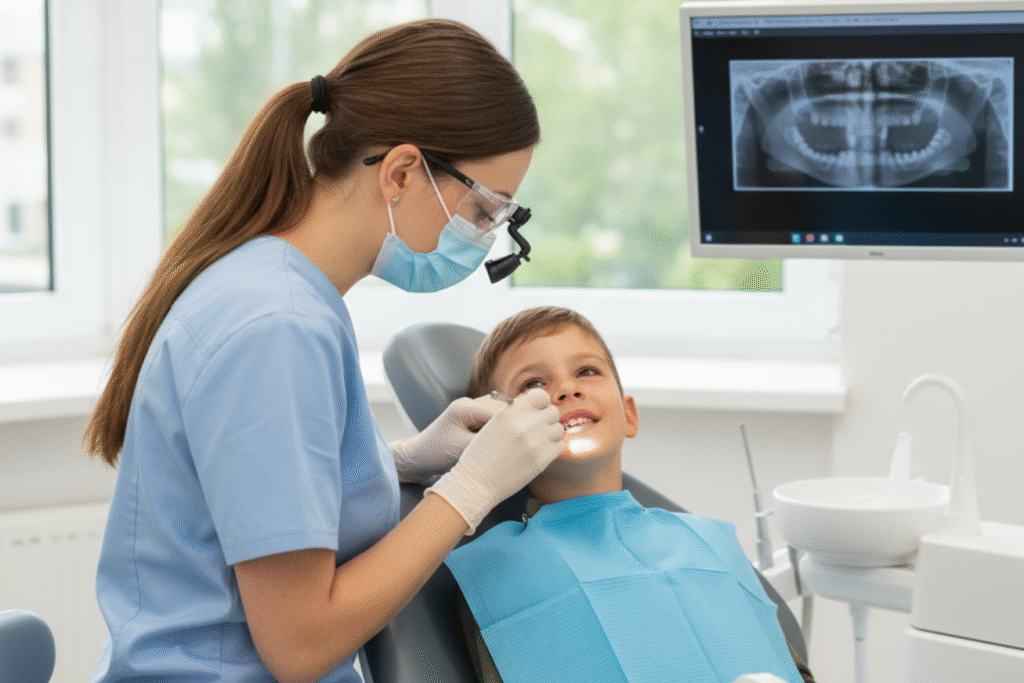

One of the most common questions parents ask is when they should schedule their child’s first dental visit. Many parents assume dental appointments can wait until children have most or all of their baby teeth, but dental professionals recommend much earlier first visits to establish healthy habits and catch potential problems before they develop. Understanding the right timing for your child’s dental debut, what happens during early appointments, and how to prepare your little one for positive experiences sets the foundation for a lifetime of good oral health. At Richmond Hill Smile Centre, recognized for providing the best dental care in Richmond Hill, families receive expert pediatric dental services in a welcoming, child-friendly environment that makes even the youngest patients feel comfortable and safe.
The Recommended Age for First Dental Visits
The Canadian Dental Association, along with pediatric dental experts worldwide, recommends that children visit the dentist within six months of their first tooth appearing or by their first birthday, whichever comes first. This timeline surprises many parents who expect to wait until children are older and have more teeth. However, this early timing serves important purposes that benefit your child’s oral health development.
Baby teeth typically begin erupting around six months of age, though timing varies among children. Some infants get their first tooth as early as three months, while others don’t see teeth until after their first birthday. Regardless of when that first tooth appears, scheduling a dental visit soon after establishes professional oversight during this critical developmental period.
Starting dental visits by age one allows dentists to monitor tooth eruption patterns, identify potential developmental issues early, educate parents about proper infant oral care, and help children become comfortable with dental visits from a young age. These early appointments focus primarily on prevention, education, and creating positive associations rather than extensive treatment.
The experienced pediatric dental team at the trusted dentist in Richmond Hill, Richmond Hill Smile Centre, specializes in making first visits gentle, fun, and stress-free for both children and parents.
Why Early Dental Visits Matter
Several compelling reasons support the recommendation for dental visits by age one. Early childhood caries, also known as baby bottle tooth decay, can develop as soon as teeth appear. This severe form of decay results from prolonged exposure to sugary liquids, particularly when babies are put to bed with bottles containing milk, formula, or juice. Early dental visits allow detection and prevention of this damaging condition.
Baby teeth play important roles beyond just being placeholders for permanent teeth. They maintain proper spacing for permanent teeth developing beneath them, enable adequate nutrition through proper chewing, support normal speech development, and contribute to children’s self-esteem and social interactions. Protecting these primary teeth through early dental care prevents problems that can affect permanent teeth and oral development.
Establishing a dental home by age one provides continuity of care throughout childhood. Having a consistent dental provider who knows your child’s history and developmental progress allows better monitoring and more personalized care. The relationship built between your child and their dental team promotes trust and reduces anxiety about dental visits.
Early visits also educate parents about crucial topics including proper brushing techniques for different ages, appropriate fluoride use, dietary recommendations for healthy teeth, teething management strategies, and injury prevention guidance. This information empowers parents to care for their children’s teeth effectively at home.
The comprehensive children’s dentistry in Richmond Hill provided at Richmond Hill Smile Centre includes thorough parent education alongside gentle, age-appropriate care for young patients.
What Happens During Baby’s First Dental Visit
Understanding what occurs during your child’s initial appointment helps you feel prepared and comfortable. The first visit is typically brief and low-key, designed to make both you and your baby comfortable with the dental environment. Many first appointments for infants last only 15 to 30 minutes.
The dental team will ask about your child’s medical history, feeding habits, oral hygiene routines, and any concerns you have. This information helps them understand your child’s individual needs and provide personalized guidance.
A gentle oral examination follows, often performed with your baby sitting on your lap or in the dental chair depending on what’s most comfortable. The dentist examines your baby’s teeth, gums, jaw, and oral tissues to check for proper development, signs of decay or other problems, and overall oral health status.
This examination is typically quick and gentle, using a small mirror and light to view inside your baby’s mouth. The dentist may count teeth, check for proper eruption patterns, and assess bite development.
Cleaning at this age is usually minimal or skipped entirely, as the focus is on introduction and education rather than extensive treatment. However, the dentist may gently wipe your baby’s teeth and gums if appropriate.
The dental team provides valuable education on topics like proper brushing techniques for your baby’s age, fluoride recommendations, dietary habits that support or harm dental health, teething symptom management, and preventing baby bottle tooth decay. They’ll answer your questions and address any concerns you have about your child’s oral development.
At the skilled dental clinic in Richmond Hill, Richmond Hill Smile Centre, the child-friendly team makes first visits positive experiences that set the stage for lifelong dental health.
Preparing Your Child for the First Dental Visit
Although infants won’t understand what’s happening during their first dental appointment, establishing good habits and attitudes starts early. Talk positively about the upcoming visit, avoiding scary language or negative comments about dentists even if you’ve had unpleasant experiences yourself. Your attitude influences how your child perceives dental care.
For older babies and toddlers, reading children’s books about visiting the dentist familiarizes them with what to expect. Playing pretend dentist with stuffed animals or dolls makes the concept fun and less intimidating. Let your child practice opening wide and having their teeth counted.
Schedule appointments at times when your child is typically well-rested and cooperative. Avoid times right before naps or meals when children tend to be fussy. Morning appointments often work well for young children who are fresh and alert.
Bring comfort items like favorite toys, blankets, or pacifiers to help your child feel secure in the new environment. However, check with the dental office about what items are appropriate to bring into the treatment area.
Stay calm and positive during the visit. Children pick up on parental anxiety, so maintaining a relaxed, upbeat demeanor helps your child feel safe and comfortable.
Establishing Good Oral Care Habits at Home
Professional dental visits represent just one component of children’s oral health. Home care forms the foundation of cavity prevention and healthy development. Even before teeth appear, gently wipe your baby’s gums with a clean, damp cloth after feedings to remove bacteria and prepare them for future tooth brushing.
Once the first tooth erupts, begin brushing twice daily with a soft-bristled infant toothbrush and a rice-grain-sized smear of fluoride toothpaste. The fluoride content is important for cavity prevention, and the small amount recommended is safe even if swallowed.
As more teeth appear and your child grows, increase to a pea-sized amount of fluoride toothpaste around age three. Continue brushing your child’s teeth until they develop the dexterity to do so effectively themselves, typically around age seven or eight. Even after children can brush independently, supervise to ensure thorough cleaning.
Flossing becomes necessary once your child has two teeth that touch, usually around age two or three. Floss picks designed for children make this process easier. Limit sugary foods and beverages, particularly between meals. Never put babies or toddlers to bed with bottles containing anything other than water, as prolonged exposure to milk, formula, or juice causes severe tooth decay.
Common Pediatric Dental Concerns
Several dental issues commonly affect young children. Early childhood caries represents the most prevalent chronic childhood disease, affecting millions of children. This severe decay develops rapidly on baby teeth and can cause pain, infection, and premature tooth loss if not addressed promptly.
Teething discomfort begins around six months and continues as new teeth erupt throughout early childhood. While teething causes temporary fussiness and gum tenderness, it should not cause high fever or severe symptoms. Your dental team can provide guidance on safe teething relief methods.
Thumb-sucking and pacifier use offer comfort for infants and toddlers, but prolonged habits beyond age three or four can affect tooth alignment and jaw development. Your dentist can advise on appropriate timing and strategies for discontinuing these habits.
Dental trauma from falls or accidents is common as children learn to walk and become more active. Knowing how to respond to knocked-out teeth, chips, or injuries can make the difference in saving teeth and preventing complications.
The premier best dental clinic in Richmond Hill, Richmond Hill Smile Centre, addresses these common concerns with expertise and compassion, providing guidance and treatment tailored to each child’s needs.
Frequency of Dental Visits for Children
After the initial visit by age one, most children should see the dentist every six months for routine check-ups and cleanings. This schedule allows regular monitoring of tooth development, professional cleaning to remove plaque and tartar, fluoride treatments for cavity prevention, and early detection of problems before they become serious.
Some children may need more frequent visits if they have high cavity risk, developmental concerns, or ongoing treatment needs. Your dentist will recommend the appropriate schedule based on your child’s individual situation.
Regular visits help children become comfortable with dental appointments and establish healthy habits that last into adulthood. Consistent care prevents problems and addresses issues when they’re small and easily treatable rather than waiting until pain or infection develops.
Creating Positive Dental Experiences
Making dental visits positive influences children’s attitudes toward oral health care throughout their lives. Choose a pediatric-friendly practice with staff experienced in working with children, colorful, welcoming office environments, and gentle, patient approaches that put children at ease.
Richmond Hill Smile Centre excels in creating positive pediatric dental experiences through child-friendly decor and amenities, experienced team members who communicate effectively with children, gentle techniques that minimize discomfort, and positive reinforcement that celebrates cooperation and good oral health habits.
Never use dental visits as threats or punishments. Statements like “If you don’t brush, the dentist will have to drill your teeth” create fear and anxiety. Instead, frame dental care positively as part of staying healthy and strong.
Praise your child for cooperation during and after visits. Small rewards or special activities after appointments create positive associations. However, avoid food-based rewards, particularly sugary treats that contradict the dental health message.
Special Considerations for Different Ages
Dental care needs evolve as children grow. Infants and toddlers focus on prevention, habit establishment, and becoming comfortable with dental visits. Preschoolers may receive their first dental sealants on molars and begin learning to brush more independently with supervision.
School-age children experience the transition from primary to permanent teeth, requiring monitoring of eruption patterns and spacing. They may need orthodontic evaluation if alignment issues develop. Teenagers face challenges including wisdom tooth development, increased cavity risk from dietary choices, and potential orthodontic treatment.
At each stage, your dental team provides age-appropriate care, education, and guidance tailored to your child’s developmental needs.
Frequently Asked Questions
Q: What if my child’s first tooth appears after their first birthday?
If your child hasn’t gotten any teeth by their first birthday, you should still schedule a dental visit. The dentist can examine gums and oral tissues, assess development, and provide guidance even without teeth present. Late tooth eruption isn’t necessarily concerning, but professional evaluation provides peace of mind and establishes the dental relationship. Once teeth do appear, you’ll already have a dental home established for ongoing care.
Q: Will my baby cry during the first dental visit?
Some babies cry during their first dental visit due to the unfamiliar environment, people, and sensations, while others remain calm and curious. Either reaction is completely normal. Pediatric dental professionals are experienced in working with fussy babies and can usually complete the examination even if your child is upset. The goal is completing necessary assessment and education, not necessarily keeping your baby perfectly calm. Over time, as your child becomes familiar with the dental office, visits typically become easier.
Q: Do baby teeth really need professional dental care since they’ll fall out anyway?
Yes, baby teeth require professional care despite being temporary. They maintain spacing for permanent teeth, enable proper nutrition and speech development, and contribute to children’s self-esteem. Decay in baby teeth can cause pain, infection, and premature loss that leads to orthodontic problems. Infections in primary teeth can even affect developing permanent teeth beneath the gums. Additionally, establishing good dental habits and attitudes during early childhood sets patterns that continue into adulthood.
Q: How can I prevent my child from developing dental anxiety?
Preventing dental anxiety starts with your own attitude. Speak positively about dental visits and avoid sharing your own negative experiences or fears. Choose a pediatric-friendly practice where staff are experienced with children. Start dental visits early, by age one, so your child becomes familiar with the environment before they’re old enough to develop significant fear. Make visits routine and positive rather than something special that happens only when problems occur. Never use dentist visits as threats or punishments.
Q: Should I stay with my child during dental appointments?
For the first few visits and for very young children, parents typically accompany their child into the treatment area. This provides comfort and allows you to learn about your child’s oral care. As children get older and more comfortable, usually around age three or four, dental teams may ask parents to wait in the reception area. This approach helps children develop independence and allows the dental team to build direct relationships with young patients. However, practices vary, and your comfort and your child’s needs are always considered.
Conclusion
Children should visit the dentist within six months of their first tooth appearing or by their first birthday to establish healthy habits, monitor development, and prevent problems. Early dental visits provide parent education, catch issues before they become serious, and create positive associations that last a lifetime. Richmond Hill Smile Centre offers expert pediatric dental care in a welcoming environment that makes children and parents feel comfortable and confident. Located in Richmond Hill, the practice welcomes families seeking exceptional children’s dentistry. For questions or to schedule your child’s first dental visit, contact Richmond Hill Smile Centre at info@richmondhillsmilecentre.ca to give your child the gift of lifelong oral health.