
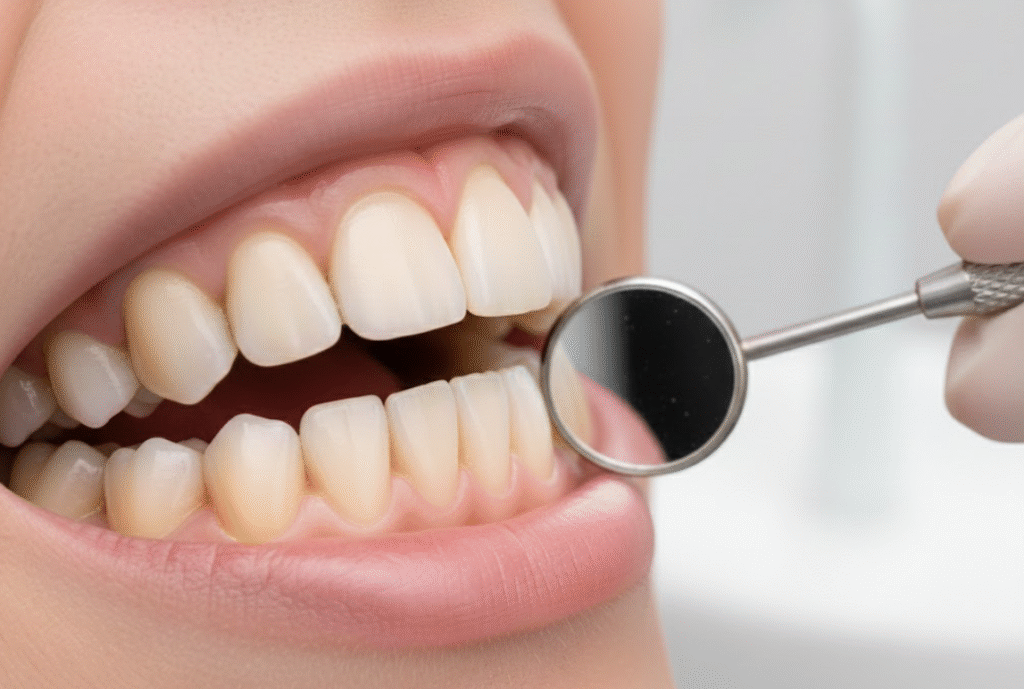

A dental filling is one of the most common restorative treatments used to repair teeth affected by decay or minor damage. Its primary purpose is to restore the strength, shape, and function of a tooth while preventing further deterioration.
Understanding what a dental filling is and why it’s important can help patients take timely action to protect their oral health. With professional guidance from a clinic known for providing the Best Dental Care in Richmond Hill, dental fillings can be a simple and effective solution for maintaining a healthy smile.
Why Dental Fillings Are Necessary
Dental fillings are most commonly used to treat cavities. Cavities occur when plaque bacteria produce acids that gradually wear down tooth enamel. Once the enamel is compromised, decay can spread deeper into the tooth if left untreated.
A dental filling stops this process by removing the decayed portion of the tooth and sealing it. This prevents bacteria from entering the tooth again and helps avoid more serious dental problems in the future. Visiting a clinic recognized as the Best Dental Clinic in Richmond Hill ensures that cavities are detected early and treated with a conservative, patient-focused approach.
How the Dental Filling Procedure Works
The dental filling process begins with a thorough examination of the affected tooth. Once decay or damage is confirmed, the compromised area is carefully removed. The cleaned space is then filled with a durable dental material that restores the tooth’s natural structure.
After placement, the filling is shaped and polished so it fits comfortably with the surrounding teeth and does not interfere with your bite. The goal is to restore function while maintaining a natural appearance and long-term comfort.
Types of Dental Fillings Used Today
There are several types of dental fillings available, and the choice depends on factors such as tooth location, extent of decay, and functional needs. Tooth-coloured fillings are commonly used because they blend seamlessly with natural teeth and provide both strength and aesthetics.
The right filling material is selected to ensure durability while preserving as much natural tooth structure as possible. Clinics that focus on comprehensive restorative care ensure patients receive fillings that are both effective and long-lasting.
Signs You May Need a Dental Filling
Cavities don’t always cause noticeable pain, which is why routine dental checkups are essential. However, some signs may indicate the need for a filling. These include tooth sensitivity, discomfort when biting, visible dark spots, or persistent toothache.
If symptoms appear suddenly or become severe, seeking Emergency Dental Care in Richmond Hill is important to prevent complications. Early treatment with a dental filling can help avoid more invasive procedures later.
The Importance of Early Cavity Treatment
Treating cavities early with dental fillings protects the tooth from further decay. When decay is addressed promptly, the filling procedure is simpler and more conservative.
Delaying treatment allows bacteria to penetrate deeper layers of the tooth, increasing the risk of infection and damage. Choosing timely care, such as a Dental Filling in Richmond Hill, helps preserve natural teeth and maintain overall oral health.
Dental Fillings and Long-Term Oral Health
Dental fillings play a crucial role in maintaining oral health. By sealing areas vulnerable to bacteria, fillings reduce the risk of recurring decay. They also restore proper chewing function, preventing uneven pressure on surrounding teeth.
When fillings are combined with good oral hygiene and regular dental visits, they support long-term dental stability and comfort. A prevention-focused dental clinic emphasizes fillings as part of a comprehensive oral health plan rather than a temporary fix.
What to Expect After Getting a Filling
After receiving a dental filling, most patients can return to their normal routine right away. Some mild sensitivity to temperature or pressure may occur initially, but this usually subsides as the tooth adjusts.
Maintaining proper brushing and flossing habits helps protect the filled tooth and surrounding areas. Routine checkups allow fillings to be monitored for wear or changes over time.
How Long Do Dental Fillings Last?
The lifespan of a dental filling depends on factors such as oral hygiene habits, bite forces, and the location of the filling. With proper care, many fillings can last for years.
Avoiding habits like chewing hard objects and attending regular dental visits helps ensure fillings remain effective and comfortable for as long as possible.
Frequently Asked Questions
What is the purpose of a dental filling?
A dental filling restores a tooth damaged by decay and prevents further deterioration.
Is getting a dental filling painful?
Dental fillings are designed to be comfortable, and most patients experience minimal discomfort.
How do I know if I need a filling?
Sensitivity, pain when chewing, or visible tooth damage may indicate the need for a filling.
Can a filling fall out?
Fillings can wear or loosen over time, which is why regular dental checkups are important.
Are dental fillings safe?
Yes, dental fillings are a well-established and safe restorative treatment when properly placed.
Conclusion
Dental fillings are a fundamental part of restorative dentistry, helping repair damaged teeth and prevent further decay. When addressed early, cavities can be treated efficiently, preserving natural tooth structure and maintaining oral comfort. Understanding the purpose and benefits of dental fillings empowers patients to take proactive steps toward better oral health.
For reliable and patient-focused restorative care, Richmond Hill Smile Centre is a leading dental clinic in Richmond Hill. For appointments or inquiries, contact info@richmondhillsmilecentre.ca or visit them at 10157 Yonge St Unit 101, Richmond Hill, ON L4C 1T6, Canada.