
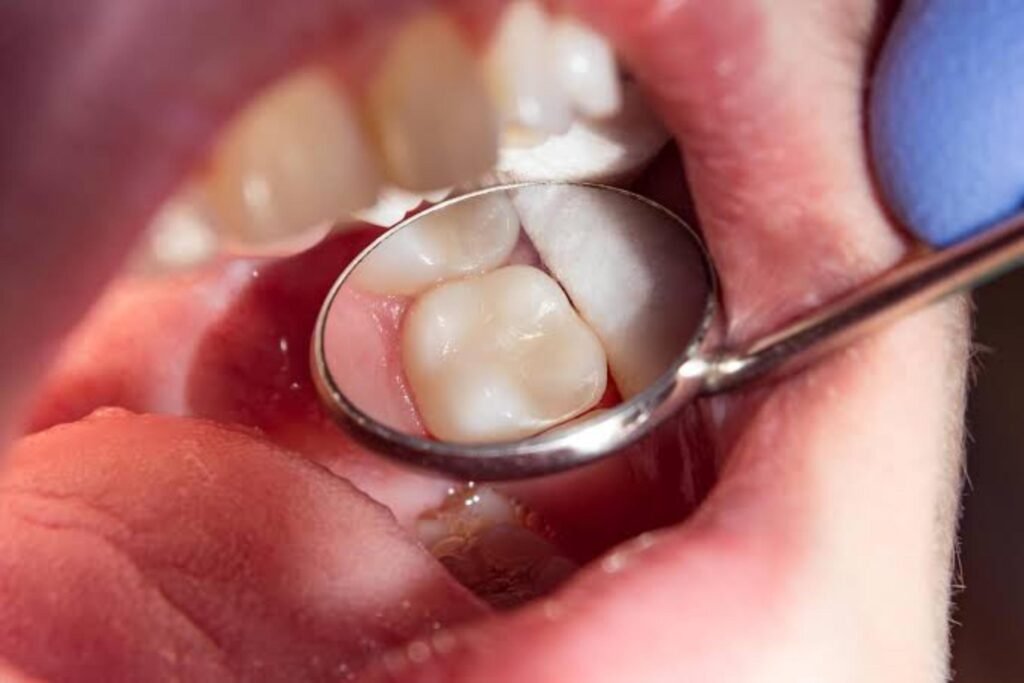

Root canal therapy is one of the most effective and commonly performed dental procedures for relieving tooth pain and saving a badly infected tooth. Despite its reputation, modern root canal treatment is a straightforward, routine procedure that most patients tolerate well. If you have been experiencing persistent tooth pain, sensitivity, or swelling, accessing root canal therapy in Richmond Hill at a trusted clinic could be the solution that saves your tooth and restores your comfort. Richmond Hill Smile Centre is a leading dental clinic in Richmond Hill dedicated to providing high-quality dental care with a patient-first approach, and they can be reached at info@richmondhillsmilecentre.ca.
Many patients delay seeking treatment due to anxiety about the procedure, but early intervention is always in your best interest. When you visit a provider offering Best Dental Care in Richmond Hill, you will find that today’s techniques and anaesthetics make root canal therapy far more comfortable than many expect. Understanding what the procedure involves and why it may be necessary can help ease any concerns and empower you to make informed decisions about your oral health.
What Is Root Canal Therapy?
Root canal therapy, also known as endodontic treatment, is a procedure used to treat infection or damage within the pulp of a tooth. The pulp is the soft inner tissue that contains nerves and blood vessels. When it becomes infected due to deep decay, a cracked tooth, or repeated dental procedures, it can cause significant pain and, if left untreated, lead to the spread of infection and eventual tooth loss.
The goal of root canal therapy is to remove the infected or damaged pulp, clean and disinfect the interior of the tooth, and then seal it to prevent future infection. In most cases, a dental crown is placed over the treated tooth afterwards to restore its strength and appearance. The result is a preserved natural tooth that can continue to function normally for many years.
Signs You May Need Root Canal Treatment
Knowing when to seek treatment is important. Common signs that you may need root canal therapy include persistent toothache, prolonged sensitivity to hot or cold temperatures, swelling or tenderness in the nearby gums, and darkening of the affected tooth. If you notice any of these symptoms, contacting a Best Dental Clinic in Richmond Hill promptly can prevent the condition from worsening.
Sometimes, however, a tooth in need of root canal treatment may show no obvious symptoms at all. This is why regular dental examinations and X-rays are so important. Your dental provider can identify early signs of infection or pulp damage before they develop into more serious problems. Routine check-ups are a key part of maintaining your overall oral health and catching issues when they are most easily treated.
The Root Canal Procedure: Step by Step
Root canal therapy typically takes one to two appointments, depending on the complexity of the case. At the start of the procedure, a local anaesthetic is administered to ensure the area is fully numb and you are comfortable throughout. Once the tooth is numb, a dental dam is placed around it to keep the treatment area clean and free of saliva during the procedure.
The dental provider then creates a small opening in the top of the tooth to access the pulp chamber. Using specialised instruments, the infected or damaged pulp is carefully removed, and the canals inside the tooth root are cleaned, shaped, and disinfected. This stage is critical in ensuring all bacteria are eliminated. For patients also considering Dental Fillings in Richmond Hill, the general principles of restoring tooth structure are similar, though root canal treatment specifically addresses issues within the tooth’s interior.
After the canals are cleaned, they are filled with a biocompatible material called gutta-percha and sealed with dental cement. A temporary filling is placed to close the opening, and in a subsequent appointment, a permanent dental crown is typically fitted to protect the tooth and restore full function.
Recovery and Aftercare
Most patients experience mild soreness or sensitivity for a few days following root canal therapy, which can usually be managed with over-the-counter pain relief as directed by your dental provider. It is advisable to avoid chewing on the treated side until the permanent crown is placed and the tooth is fully restored.
Maintaining good oral hygiene throughout the recovery period is important. Brushing twice daily, flossing regularly, and attending follow-up appointments will support healing and ensure the best long-term outcome. With proper care, a tooth that has undergone root canal therapy can last a lifetime.
Why Root Canal Therapy Is Worth It
Some patients question whether it is better to simply have an infected tooth removed rather than undergo root canal therapy. While extraction is sometimes necessary, preserving your natural tooth through root canal treatment offers significant advantages. Natural teeth are superior in function and appearance compared to most replacement options, and keeping them in place helps maintain the structure of your jaw and neighbouring teeth.
When you choose a provider offering quality Emergency Dental Care in Richmond Hill alongside routine services, you benefit from a team that is equipped to address dental pain promptly and effectively. Richmond Hill Smile Centre is committed to helping patients preserve their natural teeth and achieve lasting oral health through evidence-based treatment approaches.
About Richmond Hill Smile Centre
Richmond Hill Smile Centre is a trusted name in dental care throughout Richmond Hill. The clinic offers a full range of services, from preventive care and cosmetic dentistry to advanced restorative procedures, including root canal therapy. The team is focused on ensuring every patient feels informed, comfortable, and well cared for. For appointments or inquiries, reach out to the clinic at info@richmondhillsmilecentre.ca.
Frequently Asked Questions (FAQs)
1. Is root canal therapy painful?
With modern anaesthetics and techniques, root canal therapy is typically no more uncomfortable than having a standard filling placed. Most patients report that the discomfort they experienced before treatment, due to the infection, was far worse than the procedure itself.
2. How many appointments are needed for root canal therapy?
Most root canal treatments are completed in one to two appointments. The first appointment involves cleaning and disinfecting the tooth, while the second involves placing the permanent crown. Complex cases may require additional visits.
3. Can a root canal-treated tooth become re-infected?
While root canal therapy has a high success rate, a treated tooth can occasionally become reinfected if bacteria re-enter the tooth. This is why placing a proper crown after treatment and maintaining good oral hygiene are so important in protecting the tooth long-term.
4. Will I need a crown after root canal therapy?
In most cases, yes. A dental crown is recommended after root canal therapy to protect the tooth from cracking and restore its full chewing function. Your dental provider will advise you on the best option for your specific situation.
5. What happens if I delay root canal treatment?
Delaying root canal treatment allows the infection to spread, which can lead to abscess formation, severe pain, and ultimately the loss of the affected tooth. In some cases, the infection can spread to surrounding tissues. Seeking prompt treatment is always the recommended course of action.
Conclusion
Root canal therapy is a well-established, effective treatment that saves millions of teeth every year. Understanding the procedure helps reduce anxiety and encourages timely action when symptoms arise. Richmond Hill Smile Centre provides compassionate, high-quality root canal therapy in Richmond Hill, guided by the needs and comfort of every patient. If you are experiencing tooth pain or have concerns about a specific tooth, reaching out for an evaluation is the best first step toward lasting relief.