
One of the most common questions people ask when considering orthodontic treatment is: how much do braces cost? The answer isn’t straightforward, as the cost of braces varies significantly based on numerous factors including the type of braces, treatment complexity, duration, and geographic location. Understanding the various elements that influence pricing can help you make an informed decision about your orthodontic investment and budget accordingly for achieving the straight, healthy smile you’ve always wanted.
Average Cost Range for Different Types of Braces
The cost of braces can range widely depending on the type of orthodontic system you choose. Each option offers distinct advantages, and pricing reflects differences in materials, technology, and treatment approach.
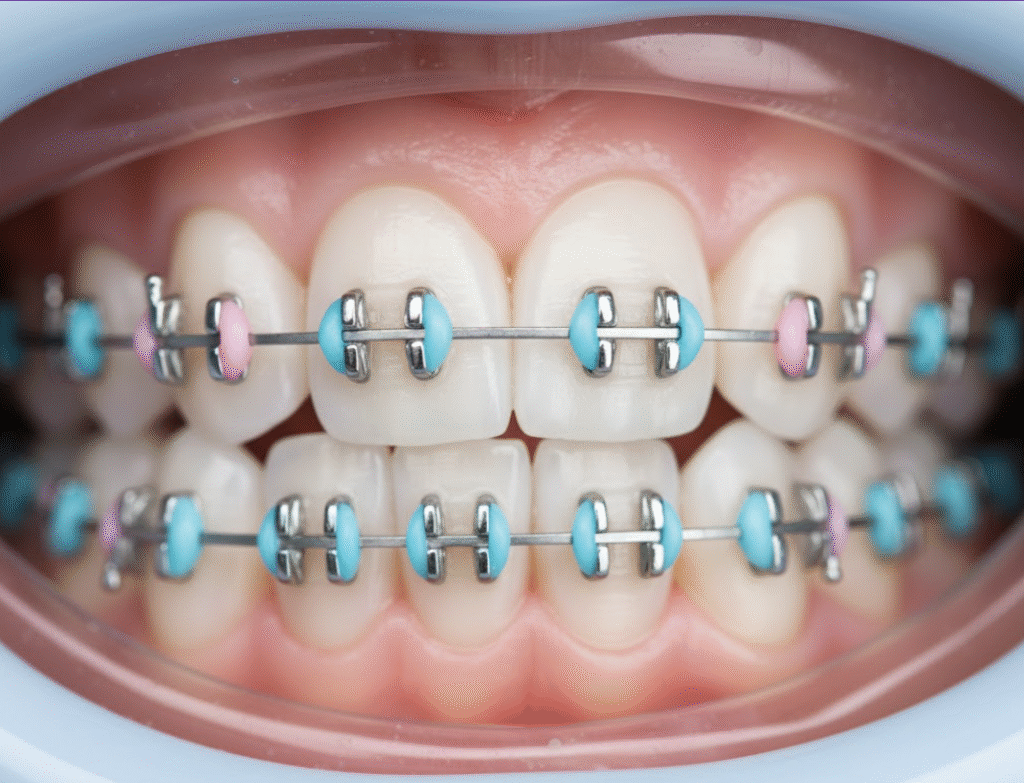
Traditional Metal Braces: These are typically the most economical option, with costs generally ranging from the lower to mid-tier of orthodontic pricing. Metal braces consist of stainless steel brackets and wires that are highly effective for correcting even complex alignment issues. Despite being the most visible option, they remain popular due to their reliability and affordability.
Ceramic Braces: These tooth-colored or clear brackets blend with your natural teeth, making them less noticeable than metal braces. The aesthetic advantage comes at a slightly higher cost, typically adding a modest premium to the base price of traditional braces. Ceramic braces work similarly to metal braces but appeal to patients seeking a more discreet appearance.
Lingual Braces: Placed on the back of teeth rather than the front, lingual braces are virtually invisible from the outside. This customization and specialized placement technique make them one of the more expensive orthodontic options, often costing significantly more than traditional braces. They require specialized expertise to install and adjust.
Clear Aligners (Invisalign): These removable, transparent trays have become increasingly popular for their convenience and aesthetics. The cost typically falls in the mid to upper range, comparable to or slightly higher than ceramic braces. Treatment complexity and duration significantly influence the final price for clear aligner therapy.
For patients seeking comprehensive oral care beyond orthodontics, Richmond Hill Smile Centre offers a full range of services including affordable dental implants, ensuring that all aspects of your dental health can be addressed under one roof.
Factors That Influence Braces Cost
Several key factors determine the final cost of orthodontic treatment:
Treatment Complexity: Simple cases involving minor crowding or spacing typically cost less than complex cases requiring significant tooth movement, bite correction, or jaw alignment. Severe misalignment, crossbites, overbites, or underbites that need extensive correction will increase treatment costs.
Treatment Duration: The length of time you’ll need to wear braces directly impacts cost. Treatments lasting 12-18 months are generally less expensive than those requiring 24-30 months or longer. More complex cases naturally require extended treatment periods.
Age of Patient: While orthodontic treatment is effective at any age, adult treatment sometimes costs more than adolescent treatment due to denser bone structure and the potential need for additional procedures. However, many clinics offer similar pricing structures regardless of age.
Geographic Location: Orthodontic costs vary by region, with urban areas typically having higher prices than rural locations due to differences in overhead costs, competition, and local economic factors. The best orthodontist care in Richmond Hill provides competitive pricing while maintaining high-quality treatment standards.
Orthodontist’s Experience and Expertise: Highly experienced orthodontists or specialists with advanced training and credentials may charge premium rates for their expertise. However, their skill often results in more efficient treatment and superior outcomes.
Initial Dental Health: If you have existing dental issues such as cavities, gum disease, or teeth requiring extraction before orthodontic treatment can begin, these preliminary treatments add to the overall cost. Addressing these concerns is essential for successful orthodontic outcomes.
Retainers and Follow-Up Care: The quoted cost should include retainers needed after braces are removed to maintain results. Some practices include retainers in the initial price, while others charge separately. Clarifying what’s included prevents unexpected expenses.
Payment Options and Financial Considerations
Understanding available payment options can make orthodontic treatment more accessible and manageable for your budget:
Dental Insurance Coverage: Many dental insurance plans provide partial coverage for orthodontic treatment, particularly for patients under 18. Coverage typically ranges from a percentage of the total cost up to a specified maximum lifetime benefit. Adult orthodontic coverage is less common but available through some comprehensive plans. Always verify your specific benefits before starting treatment.
Flexible Payment Plans: Most orthodontic practices offer in-house financing options that allow you to spread the cost over the duration of treatment through monthly installments. These plans often require a down payment followed by equal monthly payments, making treatment affordable without requiring full upfront payment. Many practices offer interest-free payment plans, which can significantly reduce the overall financial burden.
Health Savings Accounts (HSA) and Flexible Spending Accounts (FSA): These tax-advantaged accounts allow you to set aside pre-tax dollars for medical and dental expenses, including orthodontic treatment. Using these accounts effectively reduces your out-of-pocket costs by lowering your taxable income.
Third-Party Financing: Companies specializing in healthcare financing offer loans specifically for dental and orthodontic procedures. These options may provide longer repayment terms or promotional periods with reduced or zero interest, though it’s important to understand all terms and conditions before committing.
Discount Plans: Some dental practices offer discounts for paying the full treatment cost upfront, for family members undergoing simultaneous treatment, or for military personnel and seniors. Always inquire about available discounts that might apply to your situation.
Orthodontic Schools: For those seeking lower-cost options, dental schools with orthodontic programs often provide treatment performed by residents under expert supervision at reduced rates. While treatment may take longer due to the educational component, the quality of care remains high.
Cost Comparison: Braces vs. Alternative Treatments
When evaluating the cost of braces, it’s helpful to compare them with alternative orthodontic solutions:
Clear aligners like Invisalign typically cost similarly to traditional braces for comprehensive treatment, though express or limited treatments for minor corrections may cost less. The convenience and aesthetics often justify the comparable investment for appropriate candidates.
Removable retainers or appliances for very minor corrections cost significantly less than full orthodontic treatment but are only suitable for limited cases. They cannot address complex alignment issues that require the controlled force application of braces.
Surgical orthodontics for severe jaw misalignment combines braces with oral surgery and represents the most expensive orthodontic option. However, for patients with skeletal discrepancies, it’s often the only way to achieve functional and aesthetic improvements. When comprehensive dental work is needed, facilities offering services like expert orthodontics in Richmond Hill can coordinate all aspects of complex treatment plans.
Hidden Costs to Consider
Beyond the base price of braces, be aware of potential additional expenses:
Emergency Visits: Broken brackets, loose wires, or other issues requiring unscheduled appointments may incur additional charges depending on your treatment agreement.
Extended Treatment: If treatment takes longer than initially planned due to compliance issues or unexpected challenges, additional months of care may increase costs.
Replacement Retainers: Lost or damaged retainers after treatment completion require replacement at an additional cost, which can add up over time.
Teeth Whitening: Many patients choose to whiten their teeth after braces removal to achieve an even more beautiful smile, representing an optional but popular additional expense.
Additional Appliances: Some cases require supplementary devices like palatal expanders, headgear, or temporary anchorage devices, which may cost extra beyond standard braces.
Maximizing Your Investment
To ensure you get the best value from your orthodontic treatment:
Follow Instructions Carefully: Wearing elastics as directed, maintaining excellent oral hygiene, and avoiding prohibited foods prevent delays and additional costs from broken appliances or treatment complications.
Attend All Appointments: Regular adjustments are crucial for treatment progression. Missing appointments can extend treatment duration and increase overall costs.
Communicate Concerns Early: If you experience problems or discomfort, contact your orthodontist promptly rather than waiting for your next scheduled visit. Early intervention prevents minor issues from becoming major complications.
Compare Options: Consultation with multiple orthodontists allows you to compare treatment approaches, timelines, and costs. However, make decisions based on expertise and comfort level, not price alone.
Ask Questions: Ensure you fully understand what’s included in the quoted price, payment options available, and policies regarding missed appointments or treatment modifications. Access to Dental Clinic in Richmond Hill provides peace of mind if urgent issues arise during treatment.
Is Orthodontic Treatment Worth the Investment?
While the cost of braces represents a significant financial commitment, the benefits extend far beyond aesthetics:
Improved Oral Health: Properly aligned teeth are easier to clean, reducing the risk of cavities, gum disease, and tooth loss. This can save substantial money on dental treatments over your lifetime.
Enhanced Function: Correcting bite issues improves chewing efficiency and can alleviate jaw pain, headaches, and TMJ disorders that affect quality of life.
Boosted Confidence: A beautiful smile positively impacts self-esteem, social interactions, and even professional opportunities, providing intangible value that’s difficult to quantify.
Long-Term Savings: Addressing orthodontic issues early prevents more serious dental problems that would require expensive treatments later, making braces a wise preventive investment.
Lifetime Results: With proper retention, orthodontic results last a lifetime, meaning the cost is spread across decades of benefits.
Contact Information
For personalized orthodontic consultations and transparent pricing information, Richmond Hill Smile Centre serves the community with comprehensive orthodontic solutions tailored to individual needs and budgets. Contact them at info@richmondhillsmilecentre.ca to schedule a consultation and discuss financing options that make achieving your dream smile accessible and affordable.
Frequently Asked Questions
Q: Can I negotiate the cost of braces with my orthodontist?
A: While orthodontic fees are generally standard, many practices offer flexibility through various payment plans, family discounts, or promotions. It never hurts to discuss your budget constraints and ask about available options. Some orthodontists may offer discounts for paying the full amount upfront or for treating multiple family members simultaneously. Being open about your financial situation often leads to finding a workable solution.
Q: Does dental insurance cover braces for adults?
A: Adult orthodontic coverage is less common than coverage for children, but some comprehensive dental insurance plans do include it. Coverage typically involves a lifetime maximum benefit that applies regardless of age. However, many adult plans specifically exclude orthodontic treatment or provide significantly reduced benefits compared to pediatric coverage. Always review your specific policy details and contact your insurance provider to understand your benefits before beginning treatment.
Q: Are payment plans for braces interest-free?
A: Many orthodontic practices offer interest-free in-house payment plans as a courtesy to patients, allowing you to spread costs over the treatment duration without additional charges. However, terms vary by practice, and some may charge interest or require larger down payments. Third-party financing companies often charge interest, though promotional periods with zero interest may be available. Always clarify the terms of any payment plan, including interest rates, down payment requirements, and what happens if you miss a payment.
Q: What happens if I can’t afford to continue paying for braces midway through treatment?
A: If you encounter financial difficulties during treatment, communicate with your orthodontist immediately. Many practices are willing to work with patients experiencing hardship by adjusting payment schedules, reducing monthly payments, or temporarily pausing treatment until finances improve. Some may offer hardship programs or connect you with financing resources. Early communication is key, as orthodontists want you to complete treatment successfully and will often find solutions to help you do so.
Q: Do cheaper braces mean lower quality treatment?
A: Not necessarily. Cost differences often reflect overhead expenses, location, and practice philosophy rather than treatment quality. A lower price might indicate a practice with lower operating costs, promotional pricing, or a commitment to making orthodontics accessible. However, extremely low prices should be investigated carefully—ensure the provider has proper credentials, experience, and positive patient reviews. The most expensive option isn’t always the best, nor is the cheapest always inferior. Focus on finding an experienced, reputable orthodontist whose approach aligns with your needs and budget.
Conclusion
The cost of braces varies significantly based on treatment type, complexity, duration, and individual circumstances, but understanding the factors that influence pricing helps you make informed decisions about your orthodontic investment. While braces represent a substantial financial commitment, the long-term benefits to oral health, function, and confidence make them a worthwhile investment for most patients. With various payment options including insurance coverage, flexible payment plans, and financing alternatives, orthodontic treatment is more accessible than ever. By researching your options, asking questions, and working with a reputable orthodontist who offers transparent pricing and flexible payment solutions, you can achieve the straight, healthy smile you deserve without compromising your financial stability. Remember that the value of orthodontic treatment extends far beyond the initial cost, providing decades of benefits that enhance both your oral health and overall quality of life.