
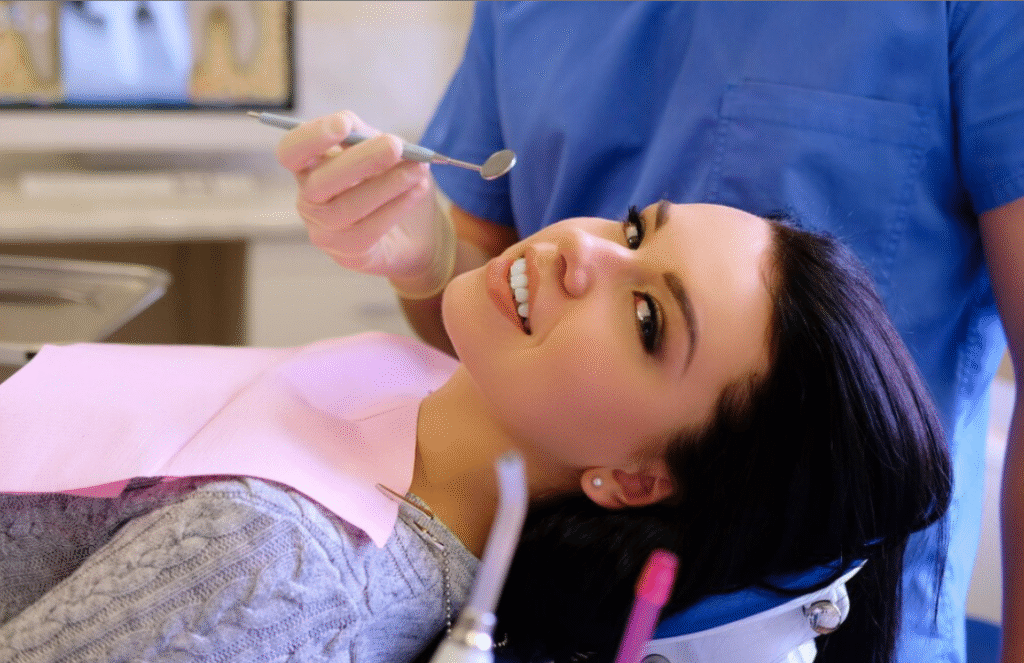

When it comes to improving the appearance of your smile, two of the most popular cosmetic dental options are dental bonding and porcelain veneers. Both treatments can address a range of aesthetic concerns, including chips, cracks, discoloration, gaps, and minor misalignment, but they differ significantly in how they work, how long they last, and what the treatment process involves. Understanding these differences helps you have a more meaningful conversation with your dental team and makes it easier to choose the path that fits your goals and lifestyle. Richmond Hill Smile Centre, a leading dental clinic in Richmond Hill, is committed to helping patients explore all available options with clarity and confidence. If you have been looking for the Best Dental Care in Richmond Hill that includes a full range of cosmetic services, this guide is a great place to begin.
Dental bonding and veneers are both considered cosmetic restorations, but they serve somewhat different purposes and suit different patient profiles. Dental bonding uses a tooth-coloured composite resin that is applied directly to the tooth surface, shaped by hand, and hardened with a curing light. Veneers, on the other hand, are thin shells of porcelain or composite material that are custom-fabricated in a dental laboratory and bonded to the front surface of the tooth. Consulting with a trusted Dentist in Richmond Hill at Richmond Hill Smile Centre allows you to have your teeth evaluated thoroughly so that the recommendation you receive is based on your actual oral health, tooth structure, and aesthetic goals rather than a generalized approach.
What Is Dental Bonding and When Is It Used
Dental bonding is one of the most versatile and accessible cosmetic dental procedures available. The composite resin used in bonding can be colour-matched precisely to your natural teeth, making the results look seamless and natural when performed by a skilled dental professional.
The procedure is typically completed in a single appointment. Your dental team roughens the surface of the tooth slightly, applies a conditioning liquid to help the resin adhere, and then places and shapes the composite material directly onto the tooth. Once the desired shape is achieved, a curing light hardens the resin, and any final adjustments to shape and polish are made.
Bonding is commonly used to repair chipped or cracked teeth, close small gaps between teeth, cover areas of discoloration that do not respond to whitening, reshape teeth that are slightly irregular, and protect exposed tooth roots in cases of minor gum recession. Because the procedure involves minimal removal of tooth enamel, it is considered one of the most conservative cosmetic options available.
The main limitation of dental bonding is longevity. Composite resin is not as hard or stain-resistant as porcelain, and bonding typically lasts between five and ten years before it may need to be touched up or replaced. It is also more susceptible to chipping under heavy bite pressure or habits like nail biting and chewing on hard objects.
What Are Veneers and Who Are They Best Suited For
Porcelain veneers are a more involved investment in your smile, and they deliver results that are widely regarded as among the most natural-looking and durable available in cosmetic dentistry. Each veneer is custom crafted to fit the specific tooth it will cover, with careful attention paid to shape, size, and shade to complement your overall facial features and smile line.
The process for porcelain veneers typically requires at least two appointments. During the first visit, a small and precise amount of enamel is removed from the front surface of the tooth to create room for the veneer without making the tooth look or feel bulky. Impressions or digital scans are taken and sent to a dental laboratory where your veneers are fabricated. Temporary veneers are often placed in the meantime to protect the prepared teeth. At the second appointment, the permanent veneers are checked for fit and appearance before being permanently bonded in place.
Patients considering Dental Veneers in Richmond Hill at Richmond Hill Smile Centre can expect a thorough consultation process that includes discussion of shade selection, shape preferences, and what the final result will look like before any irreversible steps are taken. Porcelain veneers are particularly well-suited for patients who want to address multiple aesthetic concerns at once, achieve a uniformly bright and shaped smile, or correct more significant discoloration that bonding cannot fully conceal.
Because preparing teeth for porcelain veneers involves removing enamel, the process is considered irreversible. This is an important consideration that your dental team will discuss with you fully during your consultation.
Comparing Cost, Durability, and Maintenance
One of the most practical differences between bonding and veneers is durability. Porcelain veneers, when properly cared for, can last fifteen years or longer and are highly resistant to staining. Composite bonding has a shorter lifespan and is more prone to discoloration over time, particularly for patients who regularly consume coffee, tea, red wine, or tobacco products.
From a maintenance perspective, both options require the same foundation of good oral hygiene. Brushing twice daily, flossing regularly, and attending routine professional cleanings and checkups at a trusted Dental Clinic in Richmond Hill extend the life of both bonding and veneers significantly. Patients with veneers are generally advised to wear a nightguard if they grind their teeth, as grinding can fracture porcelain over time.
Patients who experience dental emergencies involving their cosmetic restorations, such as a chipped veneer or dislodged bonding, can access Emergency Dental Care in Richmond Hill at Richmond Hill Smile Centre promptly. Addressing these situations quickly prevents further damage and keeps your smile looking its best.
The overall investment involved in veneers is higher than bonding due to the laboratory fabrication process and the additional appointments required. However, the longer lifespan and superior stain resistance of porcelain veneers means that over the long term, the value proposition is strong for patients who are looking for lasting results with minimal maintenance.
Which Option Is Right for You
The right choice between dental bonding and veneers depends on several factors that your dental team is best positioned to evaluate. These include the condition and thickness of your existing enamel, the number of teeth you want to address, the nature of the aesthetic concerns you are hoping to correct, your bite and jaw function, and your personal priorities around longevity, budget, and the extent of treatment you are comfortable with.
Patients with minor cosmetic concerns, limited tooth damage, or those who prefer a less involved procedure often find that bonding delivers excellent results with minimal commitment. Patients seeking a more comprehensive smile transformation, addressing multiple teeth with consistent and lasting results, often find that veneers are the more satisfying long-term investment.
Richmond Hill Smile Centre provides personalized cosmetic consultations that give patients a complete picture of their options before any decision is made. The team takes time to listen to what you want to achieve, explain what each option involves in your specific case, and ensure you feel confident and comfortable with your chosen path forward.
Frequently Asked Questions About Dental Bonding and Veneers
Q1: Can dental bonding and veneers be done on the same teeth?
In most cases, a tooth will receive one treatment or the other rather than both simultaneously. However, bonding is sometimes used to make minor adjustments or repairs to existing veneers when needed. Your dental team will advise on the most appropriate approach based on the condition of the tooth and the aesthetic goal being addressed.
Q2: Does getting veneers hurt?
The preparation process for veneers involves local anesthesia to ensure patient comfort during enamel removal. Some patients experience mild sensitivity in the days following preparation, which typically resolves once the permanent veneers are placed. The bonding appointment for veneers is generally comfortable and well-tolerated.
Q3: Will bonding or veneers match my natural teeth?
Both options can be colour-matched to blend with your surrounding natural teeth. Porcelain veneers offer a particularly high level of translucency and light-reflecting properties that closely mimic natural tooth enamel. Composite bonding also achieves a natural appearance when crafted carefully, though it may be slightly less translucent than porcelain over time.
Q4: Can I whiten my teeth after getting bonding or veneers? Neither composite resin nor porcelain responds to teeth whitening agents the way natural enamel does. This means that if you plan to whiten your teeth, it is generally recommended to do so before getting bonding or veneers placed so that the restoration can be matched to your desired final shade.
Q5: How do I know if my enamel is thick enough for veneers?
Enamel thickness is assessed during your clinical examination and through dental imaging. Patients with very thin enamel or those who have already had significant enamel loss may not be suitable candidates for traditional porcelain veneers. Your dental team will evaluate your individual anatomy and discuss alternative options if needed.
Conclusion
Both dental bonding and porcelain veneers offer effective pathways to a more confident and aesthetically pleasing smile, and each has genuine strengths depending on the patient’s needs and goals. Bonding is a conservative, accessible option well-suited for minor corrections and single-tooth concerns, while veneers provide a more durable and comprehensive solution for patients seeking a lasting smile transformation. The right choice comes down to your individual oral health, aesthetic priorities, and long-term expectations.
Richmond Hill Smile Centre is ready to help you explore both options in a welcoming, patient-focused environment. To learn more or book a cosmetic consultation, reach out to the team today.