
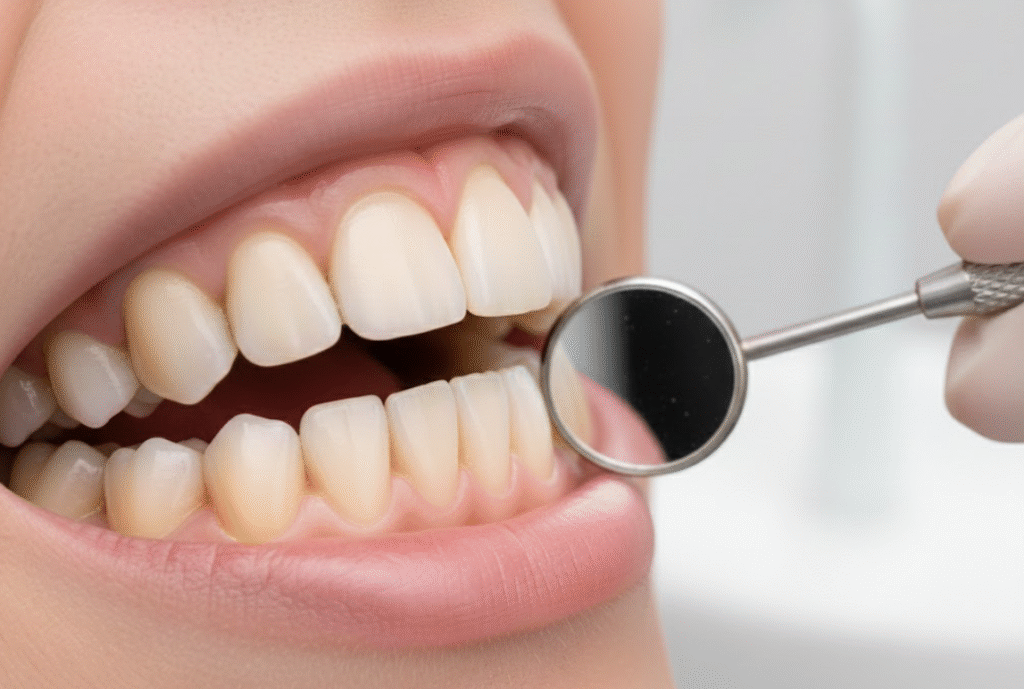

Not every smile concern requires an elaborate or lengthy treatment plan. For many patients, dental bonding offers a straightforward, affordable, and remarkably effective solution to a wide range of cosmetic and minor restorative issues. Whether you are dealing with a chipped tooth, a small gap, surface discoloration, or an uneven tooth shape, dental bonding can address these concerns efficiently and with excellent aesthetic results. For residents seeking dependable dental care in Richmond Hill, Richmond Hill Smile Centre has built a strong reputation as one of the most trusted dental clinics in the area, offering professional dental bonding treatments that are tailored to each patient’s individual needs and delivered with care and precision.
Dental bonding is a cosmetic dental procedure in which a tooth-colored composite resin material is applied directly to the surface of a tooth, shaped to achieve the desired appearance, and then hardened using a special curing light. The result is a seamless, natural-looking restoration that blends with the surrounding teeth and improves the overall harmony of the smile. One of the most appealing aspects of dental bonding is that it can typically be completed in a single appointment, making it an ideal option for patients with busy schedules. Patients who visit a well-established dental clinic in Richmond Hill for this treatment benefit from the expertise of trained dental professionals who ensure the composite resin is matched precisely to the shade and texture of the natural teeth for a result that looks entirely authentic.
What Dental Bonding Can Treat
Dental bonding is one of the most versatile treatments available in cosmetic dentistry. Its applications extend beyond purely aesthetic improvements to include certain functional restorations as well.
Chipped or cracked teeth are among the most common reasons patients seek dental bonding. Even a small chip can alter the appearance of an otherwise healthy smile and cause self-consciousness. Bonding material can rebuild the missing portion of the tooth seamlessly, restoring its original shape and protecting the affected area from further damage.
Discolored teeth that have not responded satisfactorily to professional whitening are another frequent indication for bonding. The composite resin can be applied over the surface of a stained tooth and shade-matched to the surrounding teeth, creating a uniform and brighter appearance across the smile.
Gaps between teeth, particularly between the front teeth, can be reduced or closed entirely using dental bonding. By carefully building up the sides of adjacent teeth, the dental team can create a more balanced and proportionate smile without the need for orthodontic treatment.
Irregularly shaped or uneven teeth can also be refined with bonding. Teeth that appear too short, too narrow, or have rough and uneven edges can be sculpted and smoothed to create a more symmetrical and visually pleasing result.
Minor tooth decay is another area where bonding material is frequently used. Tooth-colored composite resin fillings restore decayed areas while maintaining a natural appearance, which is particularly valued in visible areas of the smile.
Why Choose Dental Bonding Over Other Cosmetic Options
With several cosmetic dental treatments available, patients often wonder what makes dental bonding the right choice for their situation. Compared to options like porcelain veneers or crowns, bonding is generally completed in fewer appointments and involves minimal alteration to the natural tooth structure. It is a conservative treatment that preserves as much of the original tooth as possible, which is an important consideration from a long-term oral health perspective.
Patients who consult a knowledgeable dentist in Richmond Hill will receive an honest assessment of which treatment is most appropriate for their specific concerns. In some cases, bonding is the most practical and effective solution. In others, veneers or alternative treatments may deliver more durable or dramatic results. A thorough consultation ensures that you receive the right recommendation based on your oral health, aesthetic goals, and long-term expectations.
At Hummingbird Dental Clinic, the dental team takes a comprehensive and transparent approach to treatment planning. Every patient receives a detailed explanation of their options, the expected outcomes of each, and any relevant considerations so that informed decisions can be made with confidence.
The Dental Bonding Procedure: What to Expect
Understanding the steps involved in dental bonding helps patients feel at ease before their appointment. The process is straightforward and, in most cases, does not require anesthesia unless the bonding is being used to fill a cavity or the tooth involved is particularly sensitive.
The dentist begins by selecting a composite resin shade that closely matches the color of your natural teeth. The surface of the tooth is then lightly roughened and conditioned with a special solution to help the bonding material adhere effectively.
The composite resin is applied in a pliable state, allowing the dentist to mold and sculpt it into the desired shape with careful attention to detail. Once the correct form has been achieved, a curing light is used to harden the material securely in place.
After hardening, the bonded tooth is further shaped, smoothed, and polished to ensure it matches the sheen and texture of the surrounding teeth. The entire process typically takes between thirty minutes and one hour per tooth, depending on the extent of the work involved.
Discovering the possibilities of Dental Bonding in Richmond Hill at Richmond Hill Smile Centre means working with a team that is meticulous, patient-centered, and committed to achieving results that genuinely enhance your smile. The clinic operates in full compliance with the standards set by the Royal College of Dental Surgeons of Ontario (RCDSO), ensuring every patient receives care that meets the highest professional and ethical expectations.
Caring for Bonded Teeth
Dental bonding is durable and designed to withstand the everyday demands of speaking, chewing, and normal oral function. However, like all dental restorations, bonded teeth benefit from attentive care to maintain their appearance and longevity.
Brushing twice daily with a soft-bristled toothbrush and fluoride toothpaste is essential. Flossing around bonded areas should be done gently and regularly to prevent plaque buildup at the margins of the restoration. Attending your routine dental check-ups allows the team to monitor the condition of the bonding and address any wear or concerns before they develop into larger problems.
Certain habits can shorten the lifespan of dental bonding and should be avoided. Biting your nails, chewing on pens or hard objects, and using your teeth to open packaging can chip or dislodge the composite resin. Similarly, consuming large amounts of stain-causing foods and beverages such as coffee, tea, and red wine may gradually discolor the bonding material over time. Rinsing with water after consuming these substances can help minimize surface staining.
If you grind your teeth during sleep, speak with your dental team about a custom night guard. Bruxism places significant pressure on dental restorations and can reduce their durability considerably if left unmanaged.
Frequently Asked Questions (FAQs)
1. How long does dental bonding last?
With proper care, dental bonding can last several years before requiring touch-ups or replacement. The longevity of the restoration depends on factors such as the location of the bonding, your oral hygiene habits, and whether you engage in habits that place excessive stress on your teeth. Regular dental visits help the team monitor and maintain your bonding over time.
2. Is dental bonding painful?
Dental bonding is generally a very comfortable procedure. Anesthesia is not typically required unless the treatment involves decay removal or a particularly sensitive tooth. Most patients find the experience straightforward and well-tolerated from start to finish.
3. Can dental bonding stain over time?
The composite resin used in dental bonding can be susceptible to surface staining from certain foods, beverages, and tobacco use, particularly in the weeks immediately following treatment when the material is most porous. Maintaining good oral hygiene and moderating the consumption of staining substances helps preserve the appearance of the bonding over time.
4. Is dental bonding reversible? Dental bonding is considered a minimally invasive procedure because it typically requires little to no removal of the natural tooth structure. In most cases, the bonding can be removed or replaced if desired, making it one of the more conservative cosmetic dental options available.
5. How does dental bonding compare to porcelain veneers?
Both dental bonding and porcelain veneers can address similar cosmetic concerns, but they differ in material, durability, and the extent of treatment involved. Bonding is completed in a single visit and is more conservative, while veneers are fabricated in a laboratory, require more than one appointment, and generally offer greater stain resistance and longevity. Your dental team will help you determine which option is best suited to your needs and goals.
Conclusion
Dental bonding is a versatile, minimally invasive, and highly accessible cosmetic treatment that can make a meaningful difference to the appearance of your smile in a single visit. Richmond Hill Smile Centre offers patients in the area professional bonding services delivered with skill and genuine attention to detail. The clinic is located at 10157 Yonge St Unit 101, Richmond Hill, ON L4C 1T6, Canada, and the team can be contacted by email at info@hummingbirddental.ca. If you are ready to address a cosmetic concern and explore what dental bonding can do for your smile, reaching out to schedule a consultation is the perfect place to start.