
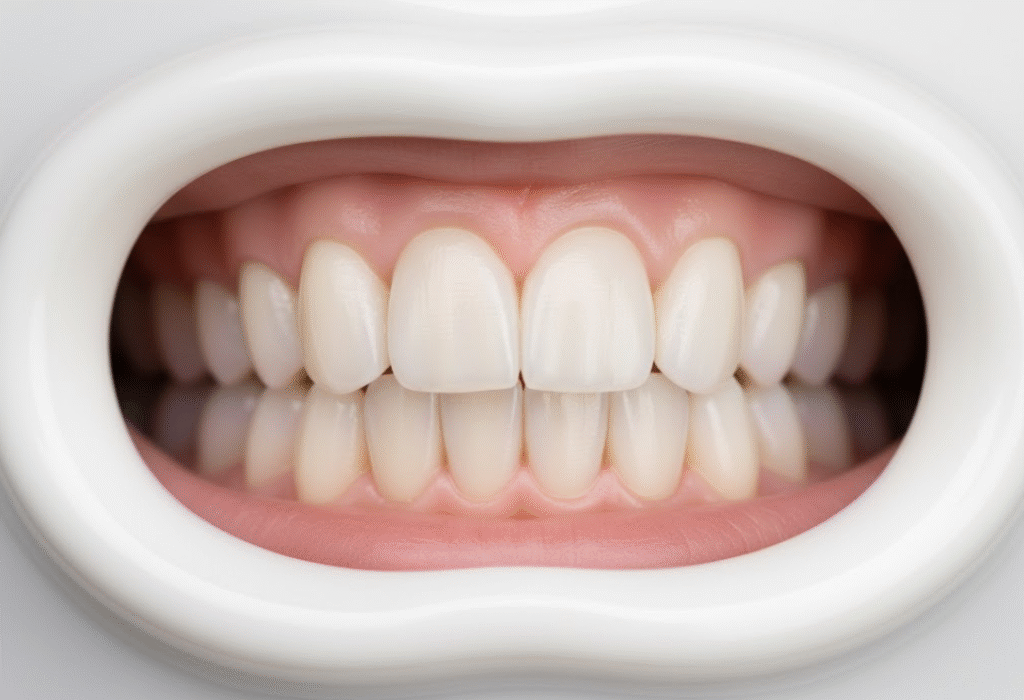

Tooth sensitivity is a common dental concern that affects millions of people worldwide. If you’ve ever experienced a sharp, sudden pain when consuming hot coffee, cold ice cream, or sweet treats, you understand how uncomfortable and disruptive sensitive teeth can be. The good news is that choosing the right toothpaste can significantly reduce sensitivity and improve your overall oral comfort. Understanding what causes tooth sensitivity and which toothpaste ingredients effectively address it can help you make an informed decision for your dental health needs.
Understanding Tooth Sensitivity
Tooth sensitivity, also known as dentin hypersensitivity, occurs when the protective enamel layer on your teeth wears down or when gum recession exposes the underlying dentin. Dentin contains thousands of microscopic tubules that lead directly to the tooth’s nerve center. When these tubules are exposed to temperature changes, acidic foods, or pressure, they trigger pain signals that result in the characteristic sharp, shooting sensation of sensitive teeth.
Several factors contribute to tooth sensitivity, including aggressive brushing with hard-bristled toothbrushes, tooth grinding, consumption of acidic foods and beverages, gum disease, tooth decay, and naturally thinning enamel due to age. If you’re experiencing persistent sensitivity, it’s essential to consult with professionals at the Best Dental Clinic in Richmond Hill to rule out underlying dental issues that may require treatment beyond specialized toothpaste.
Key Ingredients to Look for in Toothpaste for Sensitive Teeth
When shopping for toothpaste designed for sensitive teeth, certain active ingredients have been clinically proven to provide relief:
Potassium Nitrate: This is one of the most common and effective ingredients for treating tooth sensitivity. Potassium nitrate works by calming the nerves inside your teeth, reducing their ability to transmit pain signals to the brain. It typically takes two to four weeks of consistent use to experience noticeable relief.
Stannous Fluoride: This form of fluoride not only strengthens tooth enamel and prevents cavities but also helps block the exposed tubules in dentin, providing a physical barrier against sensitivity triggers. Stannous fluoride offers dual benefits of protection and pain relief.
Calcium Sodium Phosphosilicate (NovaMin): This bioactive glass technology helps repair and rebuild tooth enamel by forming a protective layer over exposed dentin. When it comes in contact with saliva, it releases calcium and phosphate ions that bond to the tooth surface, creating a mineral-rich barrier.
Arginine: This amino acid works in combination with calcium carbonate to physically seal the exposed dentin tubules, blocking the pathways that cause sensitivity pain. Studies have shown that arginine-based formulas can provide rapid relief, sometimes within three days.
Hydroxyapatite: A naturally occurring form of calcium that makes up tooth enamel, hydroxyapatite in toothpaste helps remineralize and strengthen tooth structure while reducing sensitivity.
For comprehensive care and guidance on managing tooth sensitivity, Richmond Hill Smile Centre offers expert consultations and personalized treatment recommendations to help patients achieve optimal oral health.
Top Features to Consider
Beyond the active ingredients, several other features make a toothpaste ideal for sensitive teeth:
Low Abrasivity: Toothpastes with high abrasivity can further wear down enamel and worsen sensitivity. Look for products specifically labeled as gentle or low abrasive, with a Relative Dentin Abrasivity (RDA) value below 70.
Fluoride Content: While addressing sensitivity is crucial, cavity protection remains important. Ensure your chosen toothpaste contains fluoride to strengthen enamel and prevent decay. If you have existing dental fillings in Richmond Hill, maintaining strong enamel around them is essential for long-term oral health.
pH Balance: A neutral or slightly alkaline pH helps protect enamel from acid erosion, which can contribute to sensitivity. Avoid highly acidic formulations that might aggravate the problem.
Whitening Considerations: If you desire whiter teeth along with sensitivity relief, choose products specifically formulated for sensitive teeth that include gentle whitening agents. Many traditional whitening toothpastes can be too abrasive for sensitive teeth. For professional options, consider affordable teeth whitening in Richmond Hill that takes your sensitivity into account.
Free from Harsh Ingredients: Avoid toothpastes containing sodium lauryl sulfate (SLS), which can irritate soft tissues and potentially worsen sensitivity in some individuals.
How to Use Sensitivity Toothpaste Effectively
Using toothpaste for sensitive teeth correctly maximizes its effectiveness:
Be Consistent: Sensitivity toothpaste works gradually, so use it twice daily without interruption. Most people begin experiencing relief within one to two weeks, with maximum benefits appearing after four to eight weeks of regular use.
Use Proper Technique: Apply a pea-sized amount to a soft-bristled toothbrush and brush gently for two minutes. Aggressive brushing can damage enamel and gums, worsening sensitivity.
Don’t Rinse Immediately: After brushing, spit out excess toothpaste but avoid rinsing your mouth with water immediately. This allows the active ingredients more time to work on your teeth.
Apply Directly to Sensitive Areas: For targeted relief, you can apply a small amount of sensitivity toothpaste directly to particularly sensitive spots with your finger before bed, leaving it on overnight.
Replace Your Toothbrush Regularly: Use a soft-bristled brush and replace it every three months or sooner if the bristles become frayed. Worn toothbrushes are less effective and can damage your gums.
Additional Tips for Managing Tooth Sensitivity
While the right toothpaste is essential, combining it with other good oral health practices enhances results:
Limit Acidic Foods and Drinks: Citrus fruits, soda, wine, and sports drinks can erode enamel. If you consume them, rinse your mouth with water afterward and wait at least 30 minutes before brushing.
Use a Straw: When drinking acidic or sugary beverages, using a straw minimizes contact with your teeth.
Address Teeth Grinding: If you grind your teeth at night (bruxism), ask your dental professional about a custom nightguard to protect your enamel from excessive wear.
Maintain Regular Dental Visits: Professional cleanings and examinations help identify and address sensitivity causes early. Access to Dental Clinic in Richmond Hill ensures you can address sudden or severe dental pain promptly.
Consider Fluoride Treatments: Professional fluoride applications at your dental office provide an extra layer of protection and can significantly reduce sensitivity.
Avoid Whitening Products Temporarily: If you’re experiencing active sensitivity, postpone using whitening strips or trays until your symptoms improve.
When to See a Dentist
While sensitivity toothpaste effectively manages many cases of tooth sensitivity, certain situations require professional evaluation:
- Sensitivity that persists despite using specialized toothpaste for several weeks
- Pain that’s severe, constant, or localized to a single tooth
- Sensitivity accompanied by visible damage, such as chips or cracks
- Swelling, bleeding gums, or signs of infection
- Sensitivity that suddenly worsens or appears after dental work
These symptoms may indicate underlying issues like tooth decay, gum disease, tooth fractures, or dental abscess that require treatment beyond what toothpaste alone can provide.
Making the Right Choice for Your Needs
Selecting the best toothpaste for sensitive teeth depends on your specific situation. If you’re dealing with mild sensitivity primarily triggered by temperature, a potassium nitrate-based formula might be sufficient. For those with more severe sensitivity or concerns about enamel erosion, stannous fluoride or hydroxyapatite options may be more appropriate.
Consider your other oral health needs as well. If cavity prevention is a priority, ensure adequate fluoride content. If gum health is a concern, look for formulas that also address gingivitis. If you want a brighter smile, choose sensitivity toothpastes with gentle whitening properties.
Don’t hesitate to try different products to find what works best for you, giving each one at least four weeks of consistent use before switching. Everyone’s teeth respond differently to various formulations, and what works wonderfully for one person may be less effective for another.
Contact Information
For personalized recommendations on managing tooth sensitivity and comprehensive dental care, Richmond Hill Smile Centre serves the community with expertise and compassion. Located at 10157 Yonge St Unit 101, Richmond Hill, ON L4C 1T6, the clinic provides thorough evaluations to identify the root cause of your sensitivity and develop effective treatment plans. For appointments or questions, contact them at info@richmondhillsmilecentre.ca.
Frequently Asked Questions
Q: How long does it take for sensitivity toothpaste to work?
A: Most people begin experiencing some relief within one to two weeks of consistent twice-daily use. However, maximum effectiveness typically requires four to eight weeks of regular application. It’s important to use the toothpaste continuously without switching products during this period to achieve optimal results. If you haven’t noticed any improvement after eight weeks, consult your dental professional.
Q: Can I use sensitivity toothpaste if I don’t have sensitive teeth?
A: Yes, sensitivity toothpaste is safe for everyone to use, even if you don’t currently experience sensitivity. In fact, using it preventively can help strengthen enamel and protect against future sensitivity development. However, if you don’t have sensitivity issues, regular fluoride toothpaste approved by dental associations is perfectly adequate and often more economical.
Q: Is it safe to use whitening toothpaste if I have sensitive teeth?
A: Traditional whitening toothpastes can be too abrasive and may worsen sensitivity. However, several brands now offer formulations specifically designed for sensitive teeth that include gentle whitening agents. Look for products labeled for both sensitivity and whitening, which use less abrasive ingredients and lower concentrations of whitening agents. Always start with sensitivity relief as your primary goal before adding whitening features.
Q: Should I use sensitivity toothpaste permanently or only when I have symptoms?
A: For best results, use sensitivity toothpaste continuously rather than stopping once symptoms improve. Tooth sensitivity is often a chronic condition that returns when you discontinue specialized products. The active ingredients need ongoing application to maintain their protective effects. If you stop using sensitivity toothpaste, your symptoms may return within a few weeks as the protection diminishes.
Q: Can children use toothpaste for sensitive teeth?
A: Children can experience tooth sensitivity, particularly as permanent teeth emerge or if they have enamel defects. However, many sensitivity toothpastes are formulated for adults and may contain higher levels of active ingredients than appropriate for young children. If your child complains of tooth sensitivity, consult with a pediatric dentist who can recommend age-appropriate products and investigate underlying causes that may require treatment.
Conclusion
Finding the best toothpaste for sensitive teeth involves understanding the active ingredients that provide relief, considering your specific oral health needs, and using the product consistently for optimal results. Potassium nitrate, stannous fluoride, and other scientifically proven ingredients can significantly reduce discomfort and improve your quality of life. Remember that while specialized toothpaste is an excellent tool for managing sensitivity, it works best as part of a comprehensive oral care routine that includes gentle brushing technique, regular dental visits, and lifestyle modifications. If sensitivity persists despite using appropriate products, professional evaluation is essential to address potential underlying dental issues. With the right toothpaste and proper dental care, you can enjoy your favorite foods and beverages without the sharp, uncomfortable sensations that sensitive teeth create.