
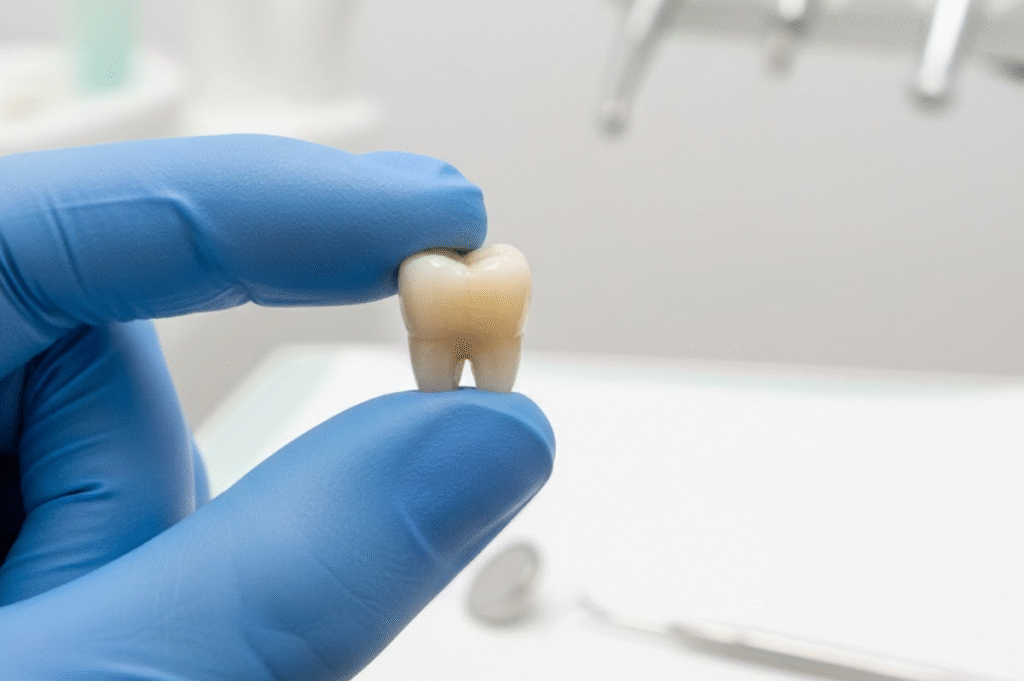

Dental crowns are one of the most effective restorative solutions in modern dentistry, designed to protect damaged teeth while restoring their strength, function, and appearance. Many people delay treatment simply because they are unsure whether they actually need a crown. Understanding the warning signs early can help prevent further damage and more complex dental procedures. With professional support from a clinic known for providing the Best Dental Care in Richmond Hill, patients can address dental issues before they worsen and maintain long-term oral health.
What Is a Dental Crown?
A dental crown is a custom-made covering placed over a tooth to restore its shape, size, and strength. It acts like a protective cap, reinforcing teeth that are weakened due to decay, cracks, large fillings, or previous dental procedures. Crowns are designed to blend naturally with surrounding teeth while providing durability for everyday chewing and biting.
Dental crowns are often recommended when a tooth can no longer support itself on its own. Choosing timely care from the Best Dental Clinic in Richmond Hill ensures that crowns are placed with a focus on preservation, comfort, and long-term success.
Persistent Tooth Pain or Sensitivity
One of the most common signs you may need a dental crown is ongoing tooth pain or sensitivity. If a tooth reacts strongly to hot, cold, or pressure, it may indicate structural weakness or damage beneath the surface.
While fillings can address minor decay, more extensive damage often requires a crown to fully protect the tooth. Ignoring persistent discomfort can allow cracks or decay to worsen, increasing the risk of infection and tooth loss.
A Cracked or Chipped Tooth
Cracks and chips can occur from biting hard foods, accidents, or natural wear over time. Even small cracks can compromise the integrity of a tooth and make it more susceptible to further damage.
A dental crown helps stabilize a cracked tooth, preventing it from splitting further. If a crack causes sudden pain or swelling, seeking Emergency Dental Care in Richmond Hill is important to avoid complications.
Large or Worn-Out Fillings
Teeth with large fillings are often weaker than healthy teeth. Over time, fillings can wear down or loosen, leaving the tooth vulnerable to fracture.
When a filling no longer provides adequate support, a dental crown may be recommended to reinforce the tooth. Crowns distribute bite forces evenly and protect the remaining natural structure, extending the life of the tooth.
Tooth Damage After Root Canal Treatment
Teeth that have undergone root canal treatment are more fragile because the inner pulp has been removed. Although the infection is resolved, the tooth itself becomes more brittle.
A dental crown is commonly used after root canal treatment to restore strength and functionality. This ensures the treated tooth can continue to function normally without breaking under pressure.
Severe Tooth Discoloration or Shape Issues
In some cases, crowns are used not only for protection but also for improving the appearance of severely discoloured or misshapen teeth. When cosmetic concerns are combined with structural weakness, a crown offers both aesthetic and functional benefits.
This approach allows patients to restore confidence in their smile while maintaining proper dental health, especially when conservative treatments are no longer sufficient.
Difficulty Chewing or Uneven Bite
If chewing feels uncomfortable or your bite feels uneven, it may indicate that a tooth has been compromised. Uneven pressure on damaged teeth can accelerate wear and lead to jaw discomfort.
Dental crowns help restore proper bite alignment, allowing teeth to function comfortably and efficiently. Addressing these issues early helps prevent strain on surrounding teeth and jaw joints.
Crowns vs Other Restorative Options
Dental crowns are often compared to other restorative solutions such as fillings, bridges, or even affordable dental implants. While implants are ideal for replacing missing teeth, crowns are designed to preserve existing teeth that are still viable.
Choosing the right treatment depends on the condition of the tooth and overall oral health. Exploring options such as Crowns and Bridges in Richmond Hill helps patients make informed decisions based on long-term outcomes rather than short-term fixes.
Preventing Further Damage with Timely Crowns
Delaying a recommended crown can lead to tooth fractures, infections, or the need for extraction. Crowns act as a preventive measure, stopping minor damage from becoming a major issue.
By reinforcing weakened teeth early, patients can avoid more invasive treatments and preserve their natural smile. Preventive-focused dental care emphasizes early intervention and long-term protection.
What to Expect After Getting a Crown
After a dental crown is placed, most patients experience improved comfort and function almost immediately. The crown is designed to feel natural and integrate seamlessly with surrounding teeth.
With proper oral hygiene and routine dental visits, crowns can last many years. Regular checkups ensure the crown remains secure and the underlying tooth stays healthy.
Frequently Asked Questions
How do I know if I need a dental crown?
Signs include persistent pain, cracked teeth, large fillings, or weakened teeth after root canal treatment.
Is a dental crown considered a major procedure?
No, dental crowns are a common restorative treatment designed to protect and strengthen teeth.
Can a crown prevent tooth extraction?
Yes, crowns often help save teeth that might otherwise require removal.
Do dental crowns look natural?
Modern crowns are designed to match the colour and shape of natural teeth.
How long does a dental crown last?
With proper care, dental crowns can last many years before needing replacement.
Conclusion
Recognizing the signs that you may need a dental crown is essential for protecting your oral health and avoiding more complex dental problems. From cracked teeth and large fillings to discomfort and bite issues, crowns provide a reliable solution for restoring strength, function, and appearance. Early treatment helps preserve natural teeth and supports long-term dental stability.
For comprehensive and patient-focused restorative care, Richmond Hill Smile Centre is a leading dental clinic in Richmond Hill. For appointments or inquiries, contact info@richmondhillsmilecentre.ca or visit them at 10157 Yonge St Unit 101, Richmond Hill, ON L4C 1T6, Canada.